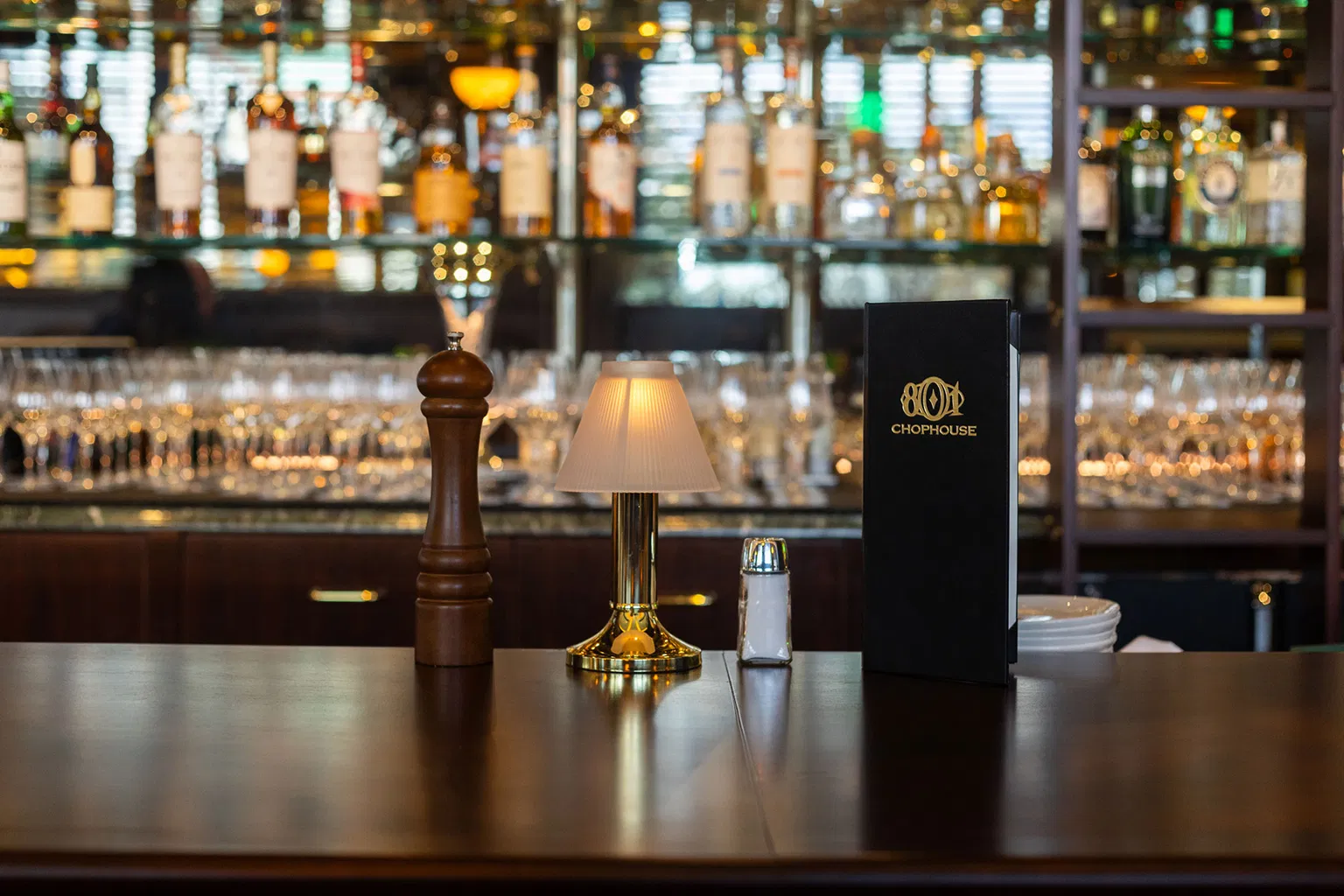
The parent company of popular upscale steakhouse chain 801 Chophouse has filed for Chapter 11 bankruptcy protection, but health-conscious diners will be relieved to know all locations remain open and operational. 801 Restaurant Group LLC filed its petition in the U.S. Bankruptcy Court for the District of Kansas in Kansas City on April 10, seeking to restructure approximately $18.7 million in debt while keeping its restaurants serving customers across eight states.
How 801 Restaurant Group's Bankruptcy Unfolded
Despite the dramatic headlines, this bankruptcy filing represents a strategic restructuring rather than a liquidation. According to company statements and court documents reviewed by multiple news outlets, the individual companies that own each 801 Chophouse location are "operating successfully" and are not part of the bankruptcy proceedings. Chris Harris, the company's CFO, emphasized in a statement to TODAY.com that "All 801 Chophouse locations are remaining operational and the individual LLCs are not filing bankruptcy." The financial troubles stem primarily from debts associated with the closures of 801 Fish in downtown Denver and 801 On Nicollet (formerly 801 Fish) in Minneapolis.
From Expansion to Restructuring: The 801 Chophouse Timeline
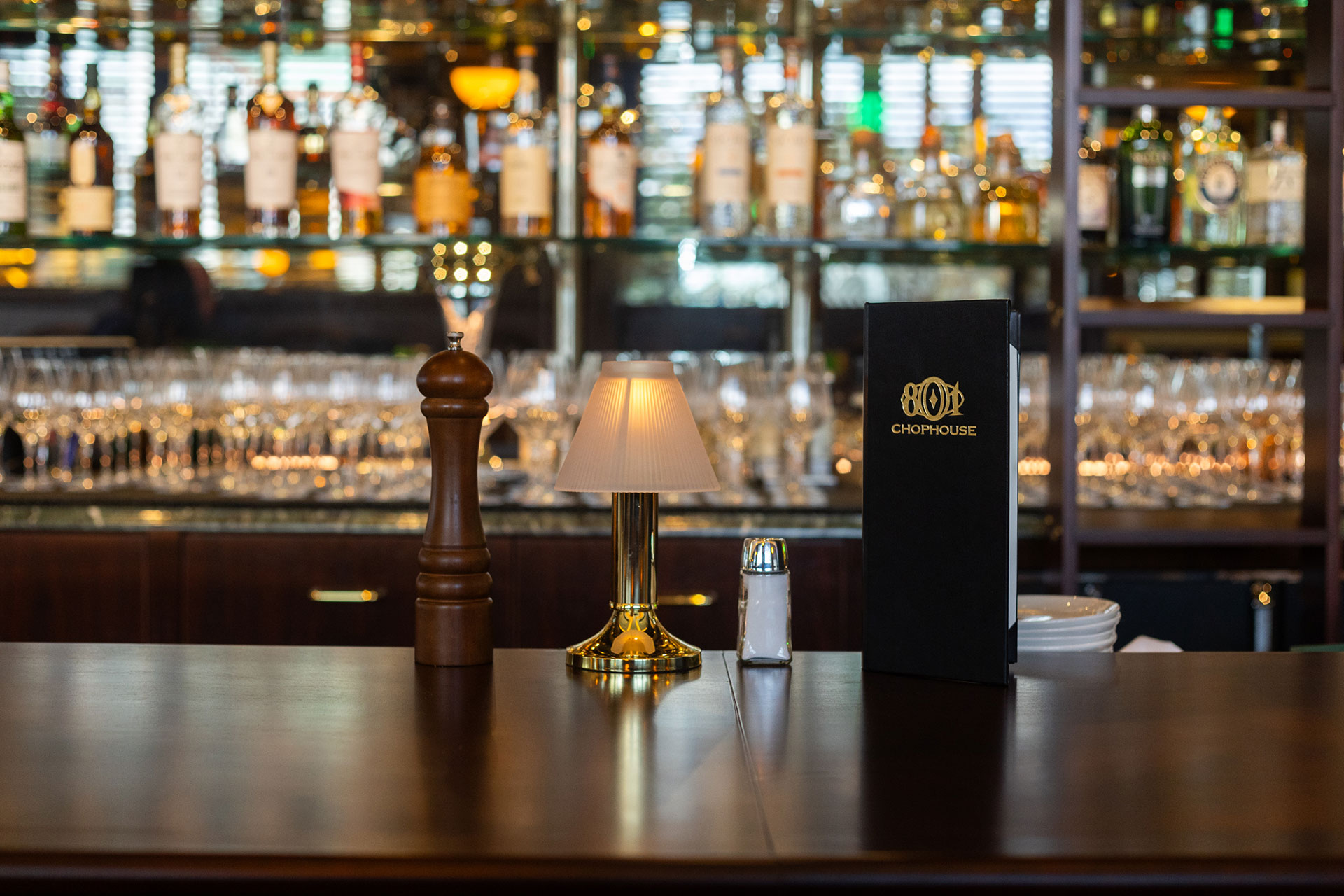
The steakhouse chain's journey reflects broader trends in the restaurant industry. Founded with a focus on premium USDA Prime beef and fresh seafood, 801 Chophouse expanded to multiple locations including Des Moines, Omaha, Kansas City, St. Louis, Denver, Minneapolis, Leawood (Missouri), and Tysons Corner (Virginia). The parent company also operated 801 Fish in St. Louis and 801 Local in Frontenac, Missouri. However, like many full-service restaurant chains, 801 Restaurant Group faced increasing pressure from changing consumer preferences, rising operational costs, and pandemic-related challenges that ultimately led to the April 10 bankruptcy filing designed to "restructure these and other obligations" according to the company's press release.
Why Steakhouses Face Challenges in Today's Health-Conscious Market
The struggles of upscale steakhouse chains like 801 Chophouse highlight a significant shift in dining preferences. As health and fitness awareness grows, consumers increasingly seek lighter, more nutritious options when dining out. According to industry analysis, restaurant bankruptcies surged by 30% in 2024, with many full-service establishments struggling to adapt to health-conscious trends. Nutrition experts note that traditional steakhouse menus, while offering high-quality protein sources, often feature large portion sizes, rich sauces, and limited vegetable options—creating challenges for diners focused on balanced nutrition and weight management.
How to Make Smart Choices at Steakhouses Like 801 Chophouse
Despite the bankruptcy news, 801 Chophouse and similar steakhouses can still be part of a healthy dining strategy when approached mindfully. Nutrition experts recommend several strategies for health-conscious steakhouse dining: First, opt for lean cuts like filet mignon or sirloin instead of fattier ribeye or prime rib. Second, control portion sizes by aiming for 3-4 ounces of protein (about the size of a deck of cards) rather than the typical 12-16 ounce steaks. Third, build a balanced plate by adding generous portions of vegetables—steamed broccoli, grilled asparagus, or a fresh salad without heavy dressings. Fourth, skip creamy sauces and butter toppings in favor of herb rubs or light marinades. Finally, consider starting with a broth-based soup or vegetable appetizer to help control overall calorie intake.
Where Things Stand Now: All Locations Remain Open
Current information confirms that all 801 Chophouse locations continue normal operations despite the parent company's bankruptcy proceedings. Customers can still make reservations and enjoy meals at the upscale steakhouses across the Midwest and Virginia. The Chapter 11 filing allows 801 Restaurant Group to continue business operations while developing a reorganization plan under court supervision. This approach has become increasingly common in the restaurant industry, with several other chains including Bravo Brio Restaurants and Hooters recently utilizing similar strategies to address financial challenges while keeping locations open.
The Future of Upscale Dining and Healthy Eating
As 801 Restaurant Group navigates its financial restructuring, the episode serves as a case study in the evolving restaurant landscape. Industry analysts predict continued pressure on traditional steakhouse models unless they adapt to health-conscious consumer demands. Successful restaurants will likely incorporate more plant-based options, smaller portion choices, and transparent nutritional information. For health-focused diners, the key takeaway is that even in challenging times for restaurant chains, making informed menu choices remains possible—and increasingly important for maintaining fitness goals while enjoying occasional dining experiences.
Key Takeaways for Health-Conscious Diners
The 801 Chophouse bankruptcy filing reminds us that even established restaurant chains face economic pressures, but health-conscious dining doesn't have to suffer. By focusing on lean protein choices, controlling portions, prioritizing vegetables, and avoiding calorie-dense add-ons, fitness-minded individuals can enjoy steakhouse meals while supporting their wellness goals. As the restaurant industry continues to evolve, informed consumers who understand both nutritional principles and business realities will be best positioned to make dining choices that satisfy both their palates and their health objectives.