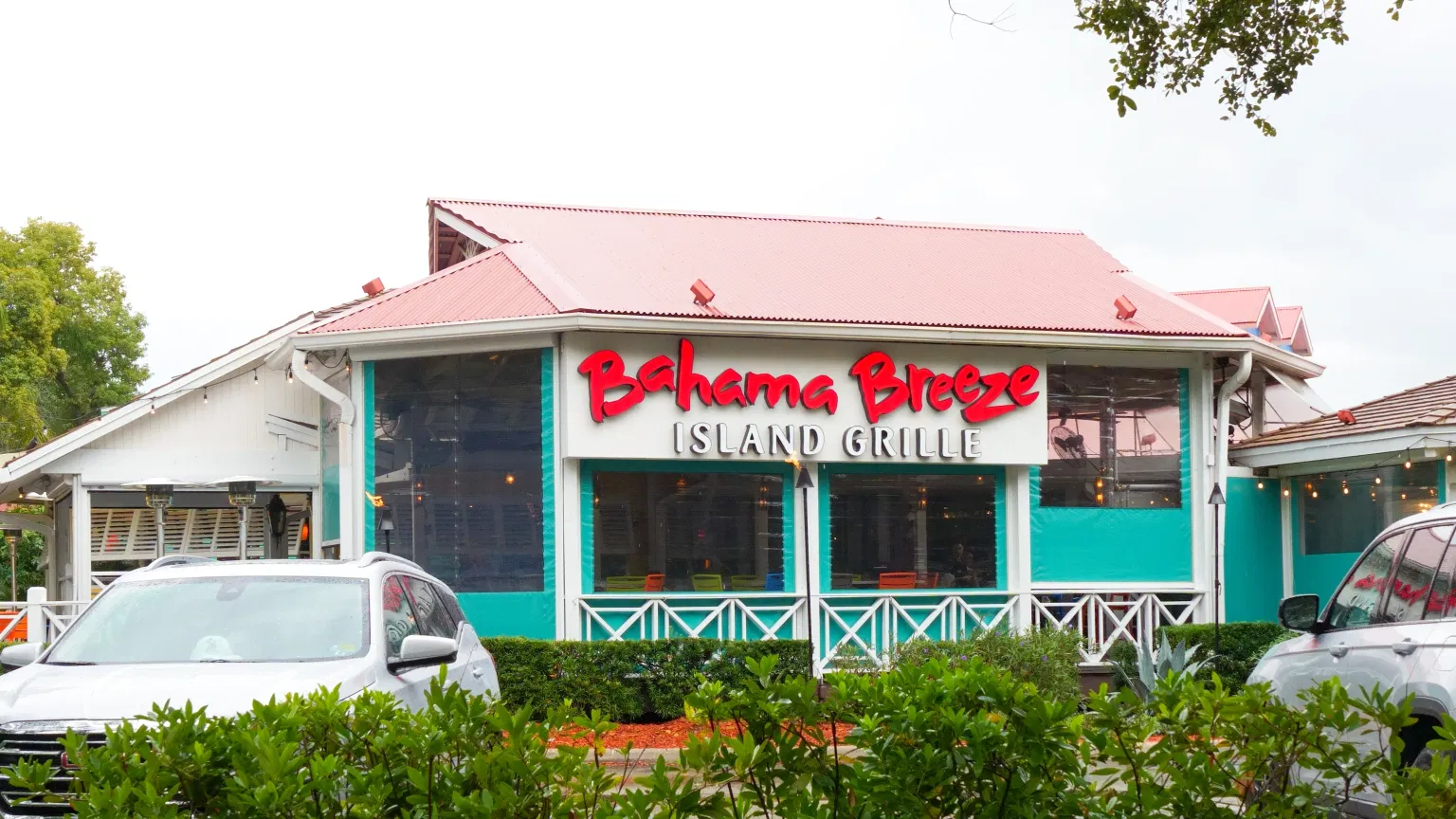
The Caribbean-inspired restaurant chain Bahama Breeze is closing all of its remaining locations, marking the end of an era for the popular casual dining establishment that has served customers for nearly 30 years. Parent company Darden Restaurants announced the difficult decision to permanently close 14 locations and convert the other 14 to different brands within their portfolio. For health-conscious diners who appreciated Bahama Breeze's healthier menu options, this closure represents more than just another restaurant chain disappearing—it's a reminder of the importance of making informed nutritional choices when eating out and adapting those habits as dining landscapes change.
How the Bahama Breeze Closure Unfolded: Inside the Strategic Decision
Darden Restaurants, the parent company behind popular chains like Olive Garden and LongHorn Steakhouse, completed a strategic review of Bahama Breeze before making the difficult decision to wind down the brand entirely. According to the official announcement, the 14 restaurants designated for permanent closure will continue operating through April 5, 2026, giving customers a few final months to enjoy their favorite Caribbean-inspired dishes. The remaining 14 locations will be converted to other Darden brands over the next 12 to 18 months, though the company has not specified which brands will replace them.
This decision follows earlier moves that signaled trouble for the brand. In May 2025, Darden closed 15 Bahama Breeze locations, and just one month later, company president and CEO Rick Cardenas announced that Bahama Breeze was "no longer a strategic priority" for the company. "Consequently, we will be considering strategic alternatives for Bahama Breeze, including a potential sale of the brand or converting restaurants to other Darden brands," Cardenas stated at the time. The February 2026 announcement confirms that conversion and closure became the chosen path forward.
Timeline: How Bahama Breeze Developed Over Three Decades
Bahama Breeze first opened its doors in 1996, bringing Caribbean-inspired cuisine and island atmosphere to mainland dining scenes. For 30 years, the chain expanded across the United States, eventually operating 28 locations before the closure announcement. The brand distinguished itself with its tropical decor, live music, and menu featuring Caribbean flavors with American twists.
The timeline of Bahama Breeze's decline reveals a story familiar in today's challenging restaurant economy. The chain began showing signs of strain in early 2025, leading to the closure of 15 locations that May. By June 2025, Darden executives openly discussed exploring "strategic alternatives" for the brand. The final decision came in February 2026, with the announcement that all remaining locations would either close or be converted by April 2026, with conversions continuing through 2027.

Why Bahama Breeze Matters: Healthy Dining Options Lost
For health-conscious diners, Bahama Breeze offered several menu items that balanced flavor with nutritional value. Nutrition experts at Eat This, Not That! highlighted several healthy choices available at the chain, including the Seared Ahi Tuna Salad with Island Vinaigrette and the Grilled Chicken Tostada Salad. These options provided lean protein, healthy fats, and fresh vegetables while keeping calories and sodium in check compared to many restaurant meals.
The loss of these healthier options highlights an important consideration for anyone focused on maintaining a nutritious diet while dining out. Restaurant closures force us to re-evaluate our dining habits and seek out new establishments that offer similar balanced choices. Fortunately, the principles that made certain Bahama Breeze items healthier—grilled rather than fried proteins, ample vegetables, and lighter dressing options—can be applied when ordering at any restaurant.
Nutrition experts emphasize several strategies for healthy restaurant dining that remain relevant regardless of which establishments are available: always start with a salad or broth-based soup to increase vegetable intake, choose grilled or baked proteins over fried options, request sauces and dressings on the side, and be mindful of portion sizes by considering sharing entrees or boxing half before eating. These practices ensure that dining out supports rather than sabotages health goals.
Where Things Stand Now: The Complete Closure List
Darden provided specific lists of which locations will close permanently versus those scheduled for conversion. The 14 restaurants closing permanently span across nine states, including locations in Delaware, Georgia, Florida, Michigan, New Jersey, North Carolina, Pennsylvania, Virginia, and Washington. Notable closures include the Newark, Delaware location at 500 Center Blvd., the Duluth, Georgia restaurant at 3590 Breckenridge Blvd., and the Sanford, Florida establishment at 1540 Rinehart Road.
The 14 conversion locations are concentrated in Florida, with 10 of the affected restaurants located in the Sunshine State. Other conversion sites include restaurants in Georgia, North Carolina, South Carolina, and Virginia. While Darden has not disclosed which brands will replace these Bahama Breeze locations, the company's portfolio includes several possibilities: Olive Garden, Yard House, LongHorn Steakhouse, Ruth's Chris Steak House, Cheddar's Scratch Kitchen, The Capital Grille, Chuy's, Eddie V's, and Seasons 52.
What Happens Next: Navigating Restaurant Changes for Healthy Eating
As Bahama Breeze locations close or convert over the coming months, health-conscious diners face the challenge of finding new restaurants that offer similar balanced options. This transition period presents an opportunity to re-evaluate dining habits and discover new establishments that prioritize fresh ingredients and healthier preparation methods.
When exploring replacement restaurants, look for menus that clearly indicate nutritional information or highlight lighter fare sections. Many chains now offer specific "fit" or "light" menu items designed with health considerations in mind. Additionally, don't hesitate to make special requests—most restaurants are willing to accommodate modifications like steaming instead of frying, substituting vegetables for starches, or providing sauces on the side.
The broader restaurant industry continues to face challenges, with several chains announcing closures or reductions in recent months. Pizza Hut revealed plans to close approximately 250 "underperforming" locations in February 2026, while Wendy's announced in November 2025 that it would close roughly 300 restaurants. This trend underscores the importance of developing flexible healthy eating strategies that can adapt to changing restaurant landscapes.
The Bottom Line: Key Takeaways for Health-Conscious Diners
The closure of Bahama Breeze serves as a reminder that restaurant landscapes constantly evolve, but healthy eating principles remain constant. By focusing on grilled proteins, ample vegetables, mindful portion sizes, and strategic modifications, diners can maintain nutritious habits regardless of which restaurants are available. While we say goodbye to Bahama Breeze's Caribbean-inspired healthy options, we carry forward the knowledge that informed choices make dining out both enjoyable and health-supporting.
As dining options continue to shift in today's challenging economic climate, the most sustainable approach to restaurant eating involves flexibility, awareness, and a commitment to prioritizing nutrition without sacrificing enjoyment. The end of Bahama Breeze marks not just the closure of a restaurant chain, but an opportunity to reaffirm our commitment to healthy dining practices that can travel with us to any establishment we visit.