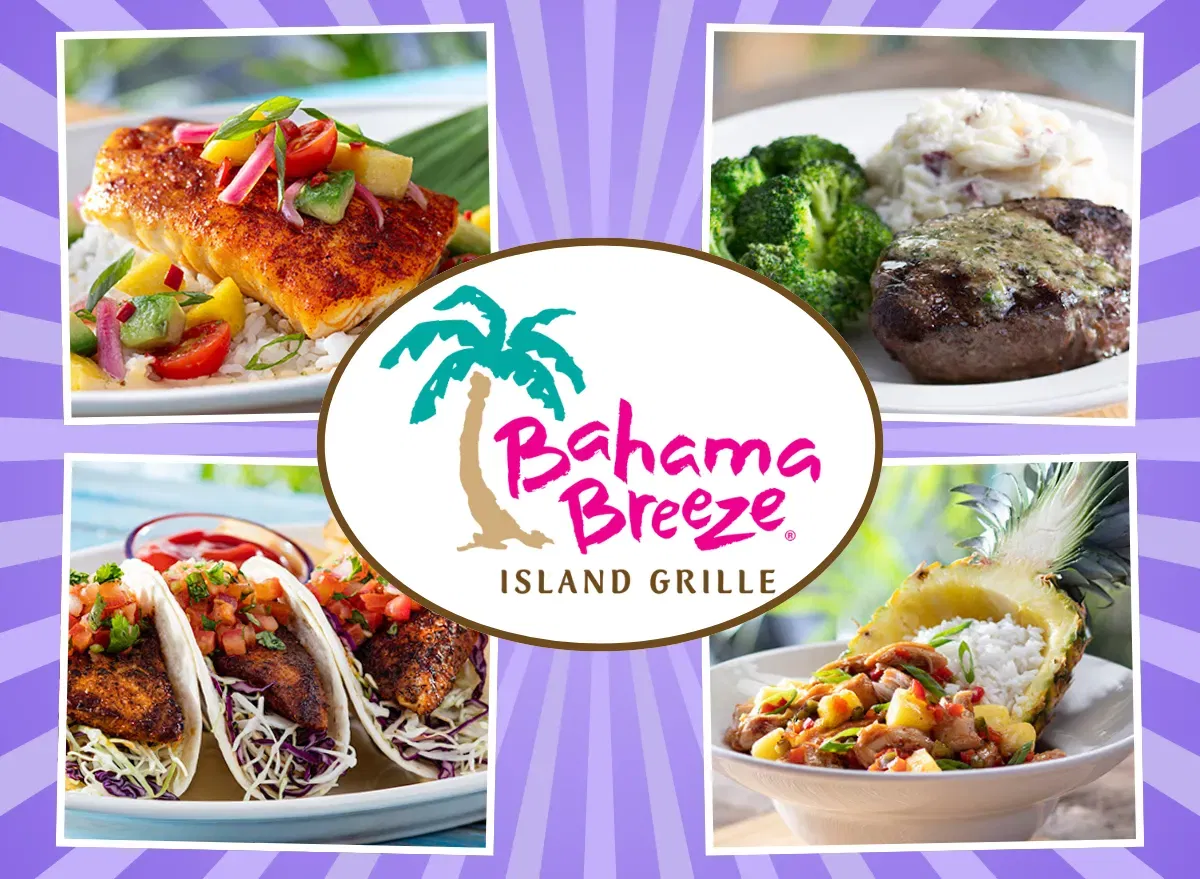
The Caribbean-themed restaurant chain Bahama Breeze is closing half of its remaining locations and converting the rest to other brands, marking the end of an era for the tropical dining concept that once drew crowds with its island-inspired menu. But beyond the business headlines, this closure reveals a deeper story about changing consumer preferences and the growing demand for healthier dining options that many casual restaurant chains have struggled to meet.

How the Bahama Breeze Story Unfolded: Inside the Closure Decision
Parent company Darden Restaurants, which also operates Olive Garden and LongHorn Steakhouse, announced in February 2026 that it would permanently close 14 Bahama Breeze locations and convert the remaining 14 to different concepts. According to the official statement released through PR Newswire, the company had completed its exploration of strategic alternatives for the struggling brand and determined this winding-down approach was the best path forward.
The closures didn't happen overnight. Bahama Breeze had been facing challenges for years in the competitive casual dining sector. In 2025 alone, the chain closed 15 locations as customer traffic declined and operational costs rose. The tropical concept, which once felt fresh and innovative when it launched in the 1990s, gradually lost its competitive edge as consumer tastes evolved toward more health-conscious options and experiential dining.
"The company has now determined that it will permanently close 14 Bahama Breeze restaurants and plans to convert the remaining 14 locations into other brands," stated Darden Restaurants in their February 2026 announcement. This move reflects broader trends in the restaurant industry where underperforming concepts are being phased out in favor of brands with stronger growth potential and better alignment with contemporary consumer preferences.
Timeline: How Bahama Breeze's Fortunes Changed Over Three Decades
Bahama Breeze's journey from popular novelty to closure candidate spans three decades of shifting restaurant trends. The chain launched in the 1990s during the heyday of theme restaurants, offering Caribbean-inspired dishes in a tropical atmosphere complete with live music and vibrant decor. For years, it drew steady crowds looking for an escape from ordinary dining experiences.
By the mid-2010s, however, consumer preferences began shifting noticeably. The rise of fast-casual concepts offering fresher, healthier options at similar price points started drawing customers away from traditional casual dining. Bahama Breeze's menu, heavy on fried appetizers, sweet cocktails, and calorie-dense entrees, began to feel out of step with growing health consciousness.
The pandemic accelerated existing trends, with more consumers cooking at home and becoming more selective about restaurant visits when they did dine out. By 2025, Bahama Breeze had already closed 15 locations, and the remaining 28 were underperforming. The final decision came in February 2026, with Darden announcing the brand's phased wind-down, culminating in April 2026 closures for half the remaining locations.
Why This Closure Matters: The Health-Conscious Consumer Revolution
The Bahama Breeze story isn't just about one struggling restaurant chain—it's a case study in how dramatically consumer preferences have shifted toward healthier dining. According to Ingredion's comprehensive ATLAS study, which surveys over 100,000 consumers globally, 75% of consumers are now more deliberate in assessing products and trying to make better choices when purchasing food and beverages.
This heightened awareness has created a significant challenge for traditional casual dining chains. A Mintel report on healthy dining trends found that over three-quarters of consumers say it's easier to eat healthier at home than at a restaurant, indicating a significant perception gap that restaurants need to address. When consumers do dine out, they're increasingly looking for options that align with their health goals without sacrificing flavor or experience.
Registered dietitian Caroline Thomason highlighted this exact tension in her October 2024 analysis of Bahama Breeze's menu for Eat This Not That. She identified nine healthiest options on the menu—including the Grilled Chicken Cobb Salad, Jamaican Jerk Chicken (without extra sauces), and the Salmon with Mango Salsa—while flagging four items to avoid due to excessive calories, sodium, or unhealthy fats. Her analysis revealed that while healthier options existed, they weren't necessarily the highlighted or promoted items on the menu.
"The changing value equation means consumers are willing to pay more for brands that share their ideals and expectations for 'better,'" notes the Ingredion research. This goes beyond just nutritional content to include factors like ingredient transparency, sustainable sourcing, and authentic preparation methods—areas where many traditional casual dining chains have lagged behind newer competitors.
Where Things Stand Now: The Current Restaurant Landscape
As of April 2026, 14 Bahama Breeze locations have permanently closed, while the remaining 14 are scheduled for conversion to other Darden brands. The company hasn't specified which concepts will replace the tropical restaurants, but industry analysts speculate they may become locations of Darden's more successful brands like Seasons 52 (which emphasizes fresh, seasonal ingredients) or perhaps new concepts better aligned with current dining trends.
The closure creates opportunities for both Darden and competing restaurants to capture former Bahama Breeze customers. Research suggests these customers aren't disappearing—they're simply redirecting their dining dollars to concepts that better meet their evolved preferences. Restaurants that can successfully bridge the gap between enjoyable dining out and health-conscious eating stand to benefit most from this shift.
Interestingly, the Caribbean cuisine segment itself isn't disappearing—it's evolving. Successful Caribbean concepts today emphasize fresh ingredients, authentic preparations, and healthier preparations of traditional dishes. The failure of Bahama Breeze may say more about execution than about demand for tropical flavors, which remain popular when presented in ways that align with contemporary values.
What Happens Next: The Future of Casual Dining and Healthy Eating
The restaurant industry's adaptation to health-conscious consumers will likely accelerate in coming years. Several key trends are emerging that successful chains will need to embrace:
- Transparent Nutrition Information: Consumers increasingly expect clear, accessible nutrition information, including calorie counts, ingredient lists, and allergen information. Chains that make this information readily available build trust with health-conscious diners.
- Better-For-You Menu Engineering: Successful restaurants are redesigning menus to highlight healthier options rather than burying them. This includes featuring vegetable-forward dishes, lean protein options, and whole grain alternatives as prominently as traditional favorites.
- Flexible Customization: The ability to modify dishes—extra vegetables instead of fries, sauces on the side, portion size options—has become a key differentiator for chains catering to health-conscious customers.
- Authentic Ingredients Consumers are increasingly skeptical of artificial ingredients and preservatives, favoring restaurants that use recognizable, minimally processed ingredients in their preparations.
For individual diners looking to make healthier choices when eating out, the lessons from Bahama Breeze's menu analysis remain relevant regardless of where they dine. Focusing on grilled rather than fried proteins, asking for sauces and dressings on the side, prioritizing vegetable sides over starch-heavy options, and being mindful of portion sizes can make restaurant meals much more compatible with health goals.
The Bottom Line: Key Takeaways from the Bahama Breeze Story
The closure of Bahama Breeze locations serves as a powerful reminder of how dramatically restaurant consumer preferences have shifted. What was once a popular novelty has become a cautionary tale about the importance of evolving with customer values, particularly around health and wellness. The restaurants that will thrive in coming years are those that successfully bridge the gap between enjoyable dining experiences and health-conscious options.
For health-focused consumers, the changing landscape means more choices that align with their goals. For the restaurant industry, it means either adapting to these new expectations or facing the same challenges that ultimately led to Bahama Breeze's decline. As 75% of consumers become more deliberate about their food choices, restaurants that make healthy eating easier, more transparent, and more enjoyable will capture the loyalty—and dining dollars—of this growing market segment.