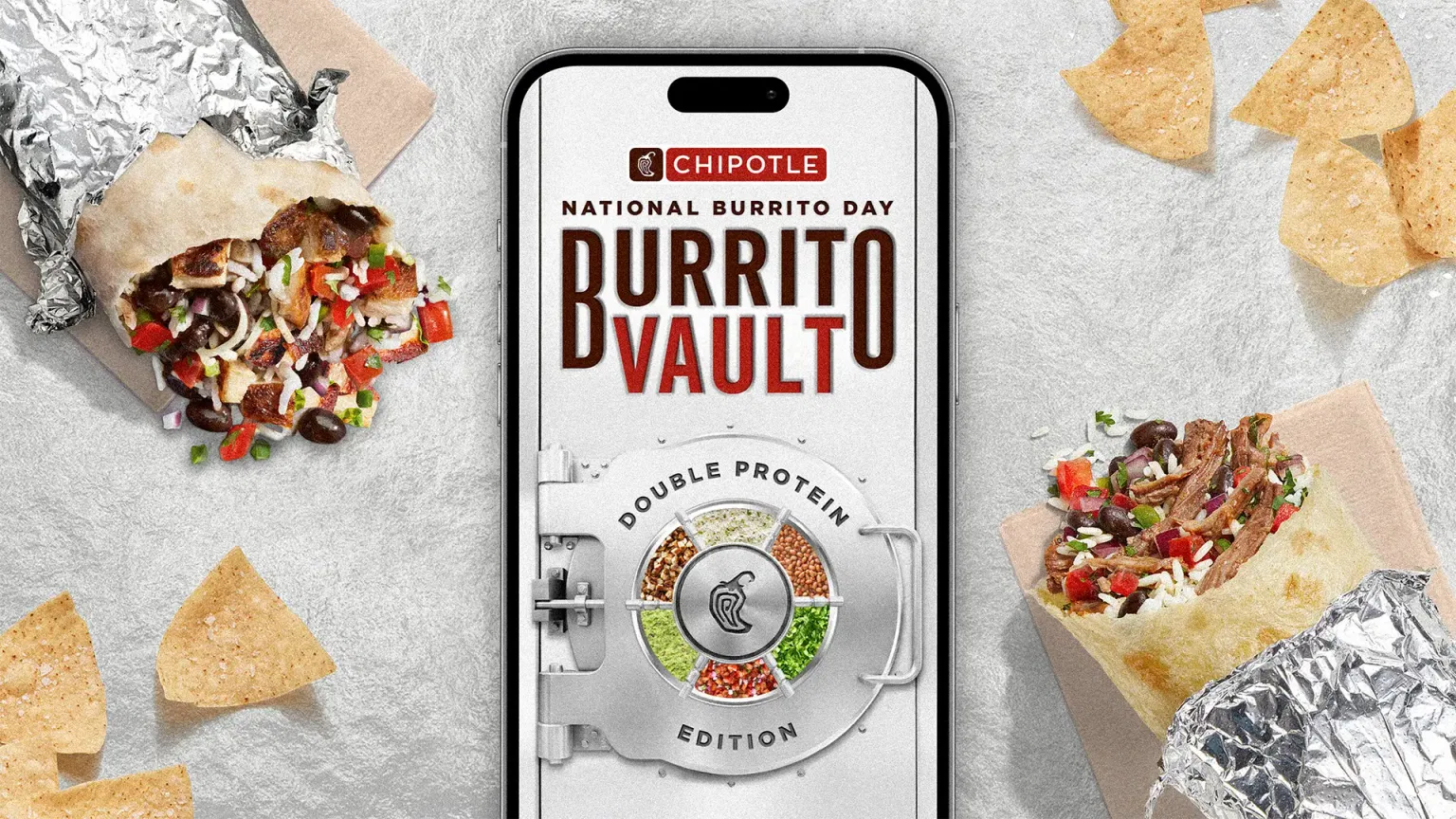
Chipotle Mexican Grill is once again turning burritos into a high-stakes game, but this year's Burrito Vault promotion reveals something deeper about America's changing eating habits. With over $2 million in prizes tied to its new Double Protein Edition, Chipotle isn't just giving away free food—it's tapping into a protein revolution reshaping the fast-food industry. As fitness trends collide with the rise of GLP-1 weight-loss medications, understanding Chipotle's latest move offers valuable insights for health-conscious consumers navigating today's complex nutritional landscape.
How the Burrito Vault Works: $2 Million in Protein-Packed Prizes
Running from March 30 through April 1, 2026, Chipotle's Burrito Vault: Double Protein Edition challenges rewards members to guess the exact combination of a burrito order to unlock hourly prizes. According to Chipotle's announcement via PR Newswire, more than $2 million in Chipotle prizes are available, including the grand prize of free burritos for a year. The game features a new "Double Protein Power Hour" that doubles the number of prizes awarded during specific times each day.
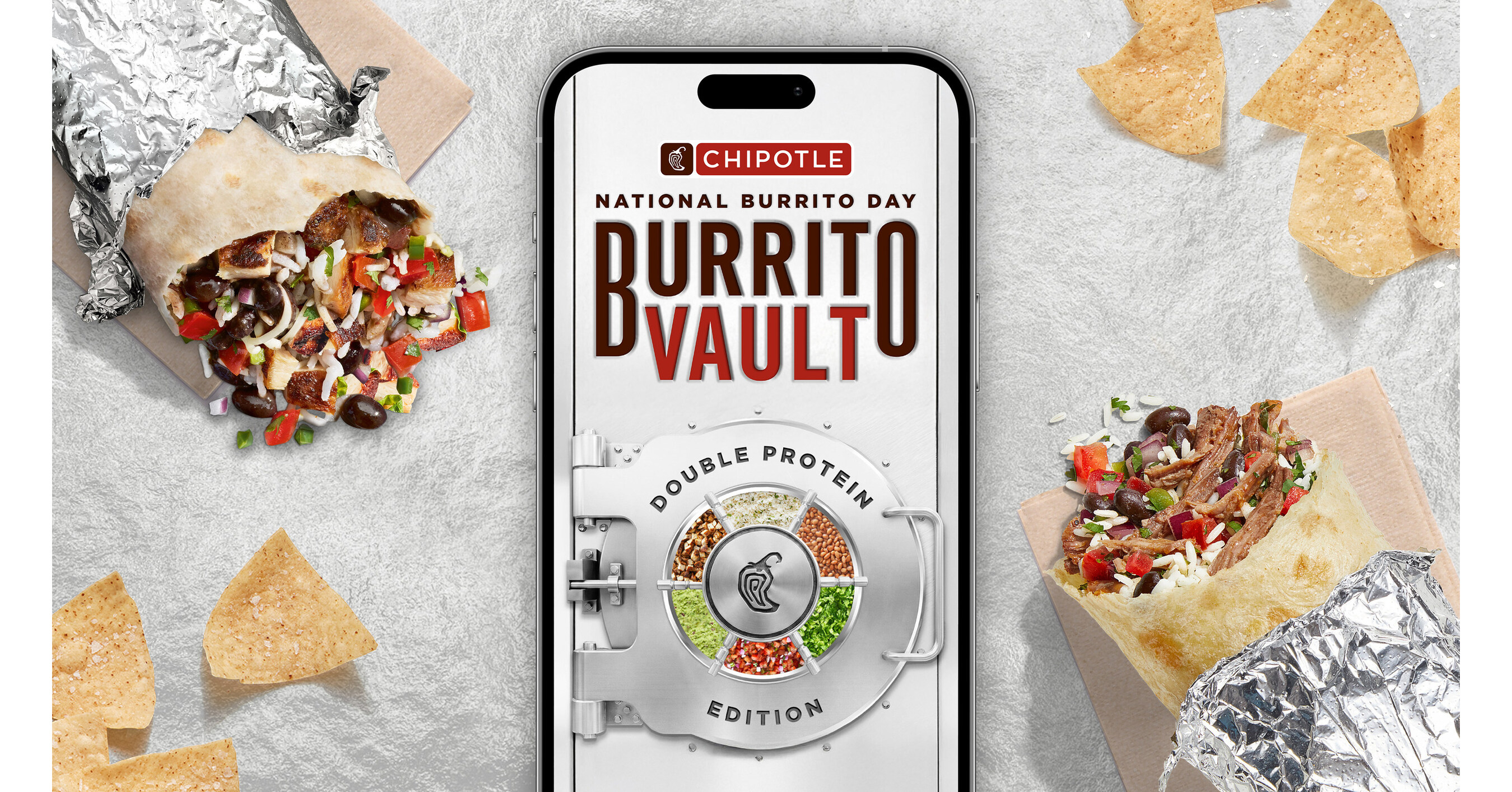
Players get four attempts per hour between 9 a.m. and 9 p.m. ET, with the first correct guess winning free burritos for a year. Each hour thereafter, 3,600 buy-one-get-one entrée codes and 2,000 double-protein rewards are distributed until supplies run out. This gamified approach isn't just fun—it's strategic business. As Inc. Magazine reports, digital ordering makes up more than 35% of Chipotle's sales, making app engagement through promotions like Burrito Vault critical for growth.
From Gamified Marketing to Protein-Focused Menus: Chipotle's Evolution
The Burrito Vault promotion arrives just months after Chipotle unveiled its first-ever High Protein Menu in December 2025. That menu features items ranging from 15 to 81 grams of protein per serving, including the Double High Protein Bowl with 81 grams of protein and the Double High Protein Burrito with 79 grams. According to EatingWell, these offerings are designed to be "GLP-1 friendly," with careful attention to calorie counts (300-550 calories) and protein content (20-40 grams).
Chipotle's protein focus represents a strategic shift. The chain previously relied on its "Food With Integrity" messaging, but now emphasizes specific macronutrients to appeal to health-conscious consumers. This evolution mirrors broader restaurant industry trends documented by NBC News, where chains from Olive Garden to Subway are introducing smaller portions and protein-forward items in response to changing consumer preferences.
Why Protein Is Dominating Fast Food: GLP-1s, Fitness Culture, and Changing Diets
The protein revolution in fast food isn't happening in a vacuum. According to NBC News analysis, GLP-1 medications like Ozempic, Wegovy, and Zepbound have normalized smaller appetites and higher protein intake among millions of Americans. A November 2025 KFF poll found that 12% of Americans now use GLP-1 drugs—double the rate from just six months earlier.
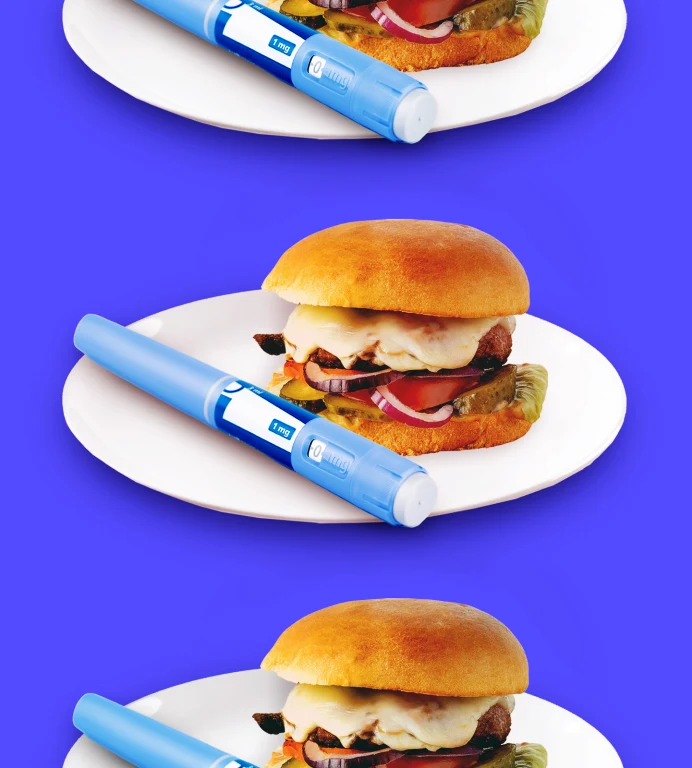
"People on GLP-1s are prioritizing protein because it's the macronutrient that they need to preserve muscle mass," explains registered dietitian Jenna Werner in the NBC News report. She notes that restaurants are "utilizing this weight loss cultural movement to hop on that train." This phenomenon has been dubbed "protein washing" by industry observers—a strategic emphasis on protein to appeal to health-conscious diners.
Beyond medication trends, fitness culture continues to drive protein demand. Updated U.S. dietary guidelines now recommend 1.2 to 1.6 grams of protein per kilogram of body weight daily, up from the previous 0.8 grams. This significant increase reflects growing scientific consensus about protein's role in maintaining muscle mass, supporting metabolic health, and promoting satiety.
Where the Protein Revolution Stands Today
Chipotle's Burrito Vault promotion arrives at a pivotal moment for the restaurant industry. According to Inc. Magazine, last year's Burrito Vault game drew more than 3.5 million plays, demonstrating the power of gamified marketing. This year's protein-focused iteration likely will see even greater engagement, given current trends.
Other chains are making similar moves. Smoothie King introduced GLP-1-friendly smoothies as early as 2024. Olive Garden now offers a "lighter portion" section with smaller servings at lower prices. Shake Shack features lettuce-wrapped burgers on its "Good Fit Menu," while Subway recently added "Protein Pockets" with over 20 grams of protein each.
For consumers, these changes mean more options but also require discernment. "Not all protein-packed menu items are created equal," nutrition experts caution. Some may be high in sodium, saturated fat, or hidden calories despite their protein claims.
The Future of Fast Food: Smaller Portions, Smarter Choices
As the protein trend accelerates, expect to see more restaurants offering customizable protein options, transparent nutrition information, and portion-controlled meals. Chipotle's success with its High Protein Menu and Burrito Vault promotion likely will inspire competitors to launch similar initiatives.
For health-conscious consumers, the key is making informed choices. When ordering at Chipotle or other fast-casual restaurants, consider balancing protein with fiber-rich vegetables and healthy fats. Opt for grilled proteins over fried, and be mindful of high-calorie additions like cheese, sour cream, and dressing.
The rise of GLP-1 medications may continue to shape menu development, but the underlying shift toward protein-rich, nutrient-dense meals aligns with broader wellness trends that prioritize functional nutrition over mere calorie counting.
Key Takeaways for Health-Conscious Eaters
- Protein is prioritizing muscle preservation: For GLP-1 users and fitness enthusiasts alike, adequate protein intake helps maintain muscle mass during weight loss.
- Gamification drives engagement: Promotions like Burrito Vault succeed by making healthy eating interactive and rewarding.
- Menu transparency matters: Look beyond "high protein" claims to examine complete nutrition profiles, including sodium, fiber, and added sugars.
- Portion control remains crucial: Even protein-rich meals can contribute to weight gain if portions are excessive.
- The trend is your friend: Increasing protein options at fast-food restaurants makes it easier to make healthy choices while dining out.
Chipotle's Burrito Vault: Double Protein Edition represents more than just a promotional giveaway—it's a window into how major restaurant chains are adapting to America's evolving nutritional landscape. By understanding these trends, health-conscious consumers can make smarter choices that support their fitness goals and overall wellbeing.