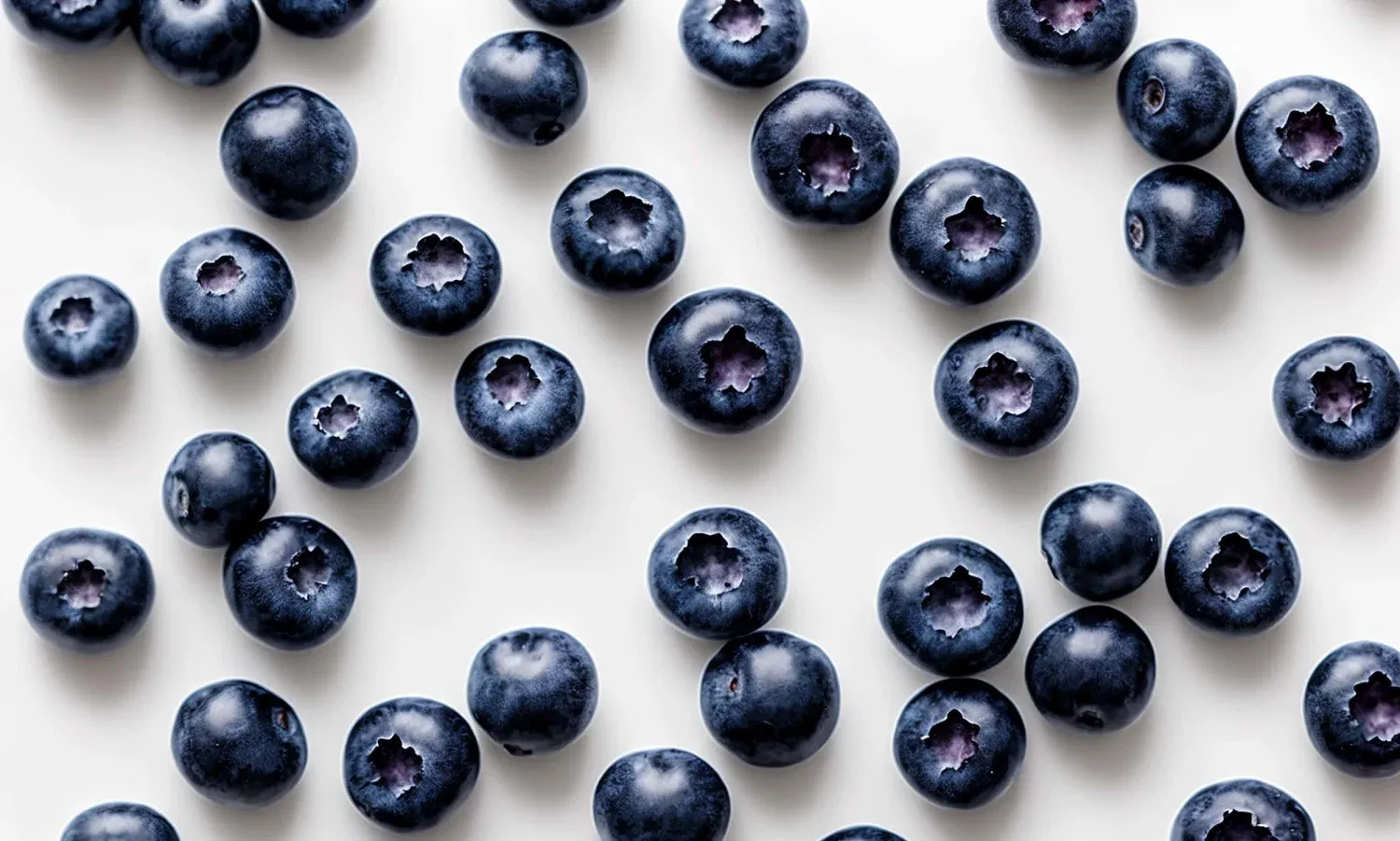
The U.S. Food and Drug Administration has escalated a frozen‑blueberry recall to its most severe classification, warning that nearly 60,000 pounds of fruit may be contaminated with Listeria monocytogenes—a bacterium that can cause life‑threatening illness. The recall, initiated by Oregon‑based Willamette Valley Fruit Company (also identified as Oregon Potato Company LLC), affects blueberries distributed across four states and Canada, raising urgent concerns for health‑conscious consumers, fitness enthusiasts, and anyone who relies on frozen fruit for smoothies, yogurt, or meal prep.
How the Recall Unfolded: Inside the FDA’s Highest‑Risk Alert
On February 12, 2026, Willamette Valley Fruit Company voluntarily began pulling frozen blueberries from the supply chain after tests indicated potential Listeria contamination. Twelve days later, on February 24, the FDA elevated the action to a Class I recall—the agency’s most serious safety designation. A Class I recall means “there is a reasonable probability that the use of, or exposure to, a violative product will cause serious adverse health consequences or death,” according to the FDA’s definition.
The recalled blueberries were not sold directly to consumers in retail stores. Instead, they were packaged in 30‑pound corrugated cases with polyethylene liners and 1,400‑pound totes destined for food‑service venues, restaurants, and institutional buyers. The fruit bears the Willamette Valley Fruit Company name and was distributed in Michigan, Oregon, Washington, Wisconsin, and Canada.

Timeline: From First Detection to FDA’s Top‑Level Warning
The sequence of events highlights how quickly a potential food‑safety issue can escalate to a national health alert:
- February 12, 2026 – Willamette Valley Fruit Company initiates a voluntary recall after internal testing flags possible Listeria contamination.
- February 24, 2026 – The FDA reviews the evidence and classifies the recall as Class I, signaling the highest possible health risk.
- February 25‑26, 2026 – Major news outlets and regulatory agencies issue public warnings, urging businesses and consumers to check their freezers.
“The recall was initiated voluntarily by the firm on February 12, 2026,” notes a People.com report. “The report was classified by the agency as a Class I recall on February 24.”
Why This Recall Matters: The Hidden Danger in Frozen Fruit
For fitness‑focused individuals who regularly add frozen blueberries to smoothies, oatmeal, or post‑workout snacks, this recall is a stark reminder that even “healthy” foods can carry hidden risks. Listeria monocytogenes is a hardy bacterium that can survive—and even multiply—in cold temperatures, making frozen fruit a potential vector.
According to the CDC, symptoms of listeriosis (the infection caused by Listeria) vary widely. In mild cases, people may experience fever, muscle aches, nausea, vomiting, and diarrhea for one to three days. More severe invasive illness can lead to headache, stiff neck, confusion, loss of balance, and convulsions. Symptoms can appear as soon as 24 hours after eating contaminated food or take up to two weeks to develop.
High‑risk groups include pregnant women, young children, adults over 65, and people with weakened immune systems. For pregnant women, listeriosis can cause miscarriage, stillbirth, or severe illness in newborns. “Pregnant women usually experience mild or no symptoms at all, but the infection can be devastating to the fetus,” explains The Hill’s coverage.
Where Things Stand Now: What You Need to Do
Because the recalled blueberries were sold in bulk to food‑service operations, most home freezers are unlikely to contain the affected product. However, if you have purchased frozen blueberries in large quantities from a restaurant supplier or wholesale club, you should immediately check for the following lot codes and best‑by dates:
- 30‑pound cases: Lot 2055 B2 (best by 7/23/2027); Lot 2065 B1 (best by 7/24/2027); Lot 2065 B3 (best by 7/24/2027).
- 1,400‑pound totes: Lot 3305 A1 (best by 11/25/2027); Lot 3305 B1 (best by 11/25/2027).
If you possess any of these lots, do not consume the blueberries. Return them to the place of purchase or dispose of them in a sealed container. The FDA also recommends that restaurants and retailers sanitize surfaces, clean refrigerators, and contact their local health department if they suspect they may have served or sold the affected product.
What Happens Next: The Road Ahead for Food Safety
The FDA will continue monitoring the recall’s effectiveness and may issue additional warnings if new information emerges. Willamette Valley Fruit Company is expected to work with distributors to ensure all contaminated product is removed from the supply chain. For consumers, this incident underscores the importance of staying informed about food recalls—especially when they involve staples of a healthy diet.
Food‑safety experts advise always washing fresh produce thoroughly, keeping freezers clean, and following recall notices from trusted sources like the FDA, CDC, and reputable news outlets. “Listeria monocytogenes is a type of disease‑causing bacteria that can be found in many places,” the FDA states on its website. “People who eat food with the bacteria may develop a disease called listeriosis.”
The Bottom Line: Key Points to Remember
- Scale of recall: Approximately 55,000–60,000 pounds of frozen blueberries are under a FDA Class I recall.
- Company involved: Willamette Valley Fruit Company (Oregon Potato Company LLC) initiated the voluntary recall.
- Highest risk level: The FDA’s Class I classification means there is a reasonable probability of serious illness or death.
- Affected areas: Michigan, Oregon, Washington, Wisconsin, and Canada.
- Health risks: Listeria can cause fever, muscle aches, nausea, vomiting, diarrhea, and in severe cases, neurological symptoms. Pregnant women, older adults, young children, and immunocompromised individuals are at greatest risk.
- Action steps: Check bulk frozen blueberries for the listed lot codes; if you have them, do not eat them and dispose of them safely.
Staying vigilant about food safety is an essential part of maintaining a healthy lifestyle. While frozen fruit remains a convenient and nutritious option, this recall reminds us that even the best‑intentioned foods can pose risks—and that timely, accurate information is our best defense.