In‑N‑Out Burger, the iconic West Coast fast‑food chain, is making headlines again with plans to open six new locations across six states. While fans celebrate the expansion, health‑conscious consumers are asking a critical question: What does this growth mean for community health and personal fitness goals? As In‑N‑Out deepens its presence in Colorado, Nevada, Oregon, Utah, Washington, and Tennessee, we examine the nutritional landscape of their menu, the health implications of fast‑food accessibility, and how to navigate their offerings while maintaining a balanced diet.
The Expansion Details: Where In‑N‑Out Is Heading Next
According to the chain's official location tracker, six stores are now marked as “opening soon.” The new sites are spread across the West and South: Hillsboro, Oregon; Las Vegas, Nevada; Madison, Tennessee; St. George, Utah; Timnath, Colorado; and Vancouver, Washington. Notably, the expansion does not break new ground in terms of states—In‑N‑Out already operates in all six—but it significantly densifies the chain's footprint in each. The company is also moving its regional headquarters to Franklin, Tennessee, and plans to relocate its entire corporate base from California by 2030. However, CEO Lynsi Snyder has repeatedly tamped down hopes of an East Coast expansion, telling fans that Florida and other eastern states “are still a no.”

With more than 400 locations nationwide, In‑N‑Out remains a regional powerhouse that operates in only ten states. By comparison, chains like Shake Shack have nearly 700 stores spread across about three dozen states. This controlled growth strategy has helped preserve the brand's cult‑like following, but it also means that each new opening draws intense local excitement—and scrutiny from health advocates.
From California to Tennessee: In‑N‑Out's Expansion Timeline
In‑N‑Out's journey from a single drive‑thru in Baldwin Park, California, in 1948 to a multi‑state phenomenon has been deliberate. The chain entered Nevada in 1992, Arizona in 2000, Utah in 2008, Texas in 2011, Oregon in 2015, Colorado in 2020, and Tennessee in 2025. The current wave of openings continues that steady eastward push, with Tennessee now poised to become a major hub thanks to the new corporate headquarters. What's missing, however, is any timetable for reaching the Atlantic seaboard. Snyder has said the chain's Texas‑based distribution center could support further expansion, but for now, East Coast cravings will have to be satisfied by travel or imitation.
Health on the Menu: Balancing Fast Food with Fitness
Fast food is often synonymous with unhealthy eating, but In‑N‑Out has carved out a reputation for relatively cleaner ingredients. A 2023 study by Gambling.com ranked In‑N‑Out's cheeseburger as the second‑healthiest fast‑food cheeseburger in America, scoring an 8.2 out of 10 based on calories, fat, sodium, and sugar content. The chain has also removed artificial dyes from its beverages and switched to real sugar in ketchup as part of a broader industry shift toward cleaner labels.
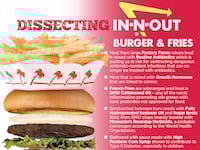
For fitness‑minded customers, the “Protein Style” option—which replaces the bun with hand‑leafed lettuce—is a game‑changer. A Protein‑Style hamburger with onion contains about 240 calories, 17g fat, 4g saturated fat, and 11g carbohydrates, making it a viable low‑carb, gluten‑free choice. Other smarter picks include the standard hamburger (300 calories) and cheeseburger (380 calories), both of which are made with 100% beef patties, fresh lettuce, tomato, and a spread that contains no high‑fructose corn syrup. Dietitians also recommend skipping the fries (which are cooked in sunflower oil) and sugary shakes to keep the meal more balanced.
Where Things Stand Now: The Fast‑Food Health Paradox
The simultaneous growth of In‑N‑Out and the ongoing obesity epidemic in the United States presents a paradox. On one hand, the chain offers comparatively better nutrition than many competitors; on the other, any increase in fast‑food accessibility carries public‑health risks. A 2025 systematic review published in the National Institutes of Health library concluded that “the growing accessibility of fast‑food outlets has been linked to dietary inequalities and increased obesity rates.” The research echoes earlier findings that living near fast‑food restaurants raises the probability of obesity, especially among children.
For communities welcoming a new In‑N‑Out, the challenge is to enjoy the occasional treat while reinforcing healthy eating habits overall. Public‑health experts suggest pairing new restaurant openings with local nutrition education campaigns and ensuring that residents have easy access to grocery stores and farmers' markets that offer fresh, whole foods.
The Future of Fast Food: Healthier Options and Community Impact
In‑N‑Out's expansion is part of a larger trend in the fast‑food industry: consumers are demanding transparency and healthier choices. The chain's commitment to fresh, simple ingredients positions it well for this shift. Looking ahead, the company may face pressure to further reduce sodium, offer more plant‑based options, or expand its salad selections. Meanwhile, the relocation of its headquarters to Tennessee will likely spur additional store openings throughout the Southeast, though the pace will remain measured.
From a health perspective, the key takeaway is that not all fast food is created equal. While In‑N‑Out's menu is far from a diet food, it provides several “less bad” choices that can fit into an active lifestyle when consumed in moderation. As the chain continues to grow, consumers can vote with their wallets by ordering the Protein‑Style burger, skipping the soda, and balancing the meal with plenty of vegetables and lean protein later in the day.
Key Takeaways: Navigating In‑N‑Out's Expansion
- Six new In‑N‑Out locations are coming to Hillsboro (OR), Las Vegas (NV), Madison (TN), St. George (UT), Timnath (CO), and Vancouver (WA).
- No East Coast expansion is planned in the near future, despite fan requests.
- In‑N‑Out's cheeseburger ranked #2 in a 2023 study of the healthiest fast‑food cheeseburgers.
- Opt for “Protein Style” to save about 160 calories and 30g of carbs compared to a regular bun.
- Fast‑food proximity is linked to higher obesity rates, so enjoy In‑N‑Out as an occasional treat, not a daily habit.
- Balance is key—pair your burger with a side salad or fruit, and stay active to offset the extra calories.
As In‑N‑Out extends its reach, staying informed about nutrition and making mindful choices can help you enjoy the iconic burger experience without derailing your health and fitness goals.