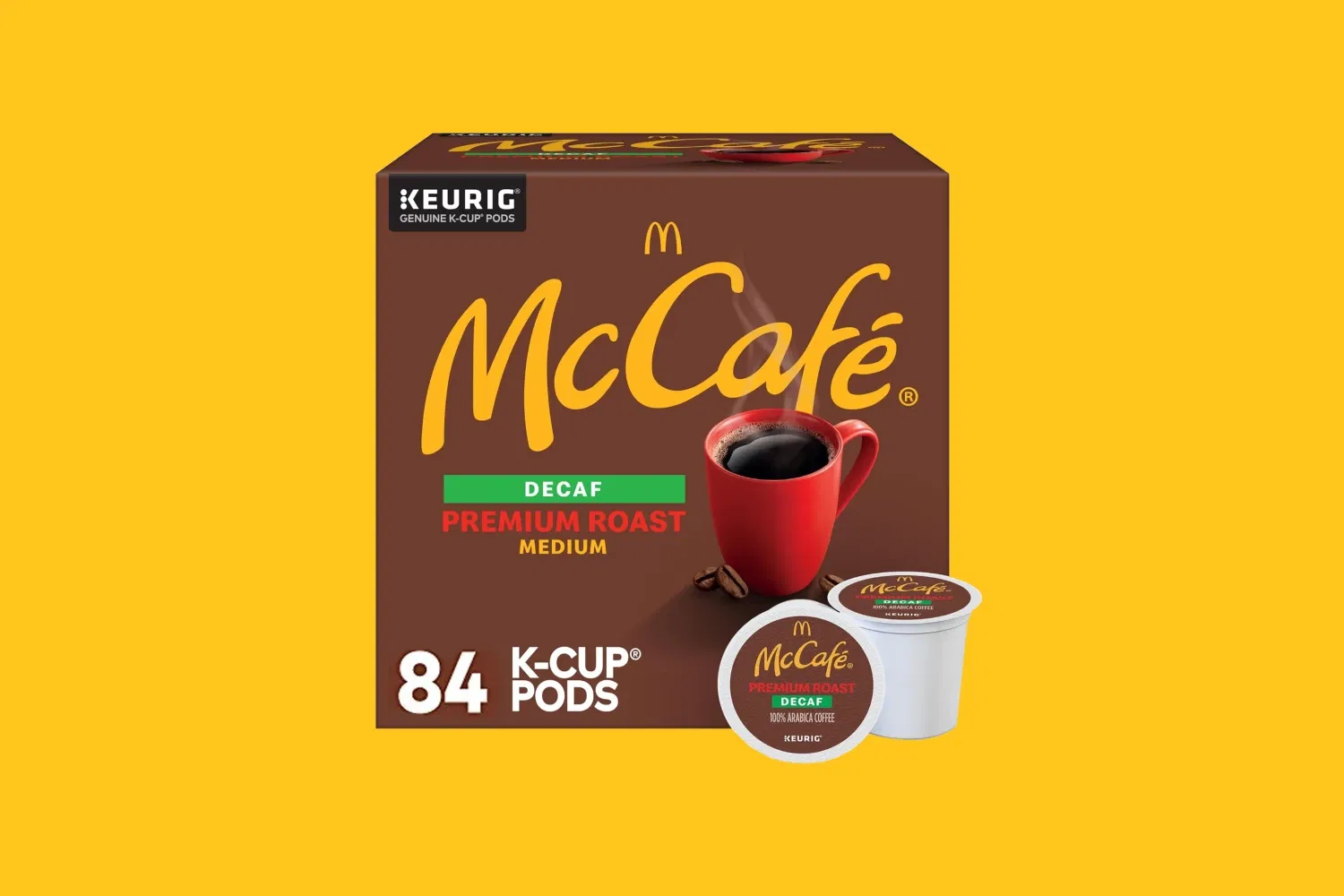
The Food and Drug Administration has issued a Class II recall for more than 80,000 Keurig coffee pods after discovering that McCafé Premium Roast Decaf K-Cup pods may contain regular caffeinated coffee despite being labeled as decaffeinated. This major food safety alert affects consumers across three states and highlights the importance of monitoring product recalls for anyone committed to a healthy lifestyle, particularly those sensitive to caffeine or managing specific health conditions.
How the Keurig Recall Unfolded: Inside the FDA's Class II Alert
According to FDA enforcement reports, Keurig Dr Pepper initiated a voluntary recall of 80,640 individual McCafé Premium Roast Decaf Coffee K-Cup pods on December 6, 2025. The recall involves approximately 960 cartons, each containing 84 coffee pods, that were distributed through a single retailer in California, Indiana, and Nevada. While the company began notifying consumers in December, the FDA officially classified the action as a Class II recall on January 23, 2026, elevating its importance for public health monitoring.
"At Keurig Dr Pepper, we are committed to the highest standards of safety and quality in the products we produce and distribute," the company stated in response to the FDA action. "All consumers who purchased this product were notified directly by the retailer a little more than a month ago and provided with next steps regarding replacement product." The affected products can be identified by UPC code 043000073438, a best-by date of November 17, 2026, batch number 5101564894, material number 5000358463, and ASIN B07GCNDL91.
Timeline: From December Recall to January FDA Classification
The sequence of events reveals how food safety monitoring systems work to protect consumers. Keurig Dr Pepper first identified the labeling error in late 2025 and began direct consumer outreach in early December. The company worked with its retail partner to remove remaining products from shelves and notify purchasers. Nearly two months later, the FDA reviewed the case and assigned it a Class II classification, which formally indicates that "use of, or exposure to, a violative product may cause temporary or medically reversible adverse health consequences or where the probability of serious adverse health consequences is remote."
This timeline underscores the importance of ongoing vigilance even after initial recall announcements. Health-conscious consumers should understand that FDA classifications provide crucial context about potential risks. While Keurig acted promptly upon discovering the error, the FDA's January classification serves as an official health advisory that extends beyond the company's initial consumer notifications.
Why This Recall Matters: Caffeine Risks and Food Safety
For individuals managing specific health conditions or dietary restrictions, this recall represents more than a simple labeling error. The difference between decaffeinated and regular coffee can have significant health implications for several vulnerable populations:
- Pregnant women: Many obstetricians recommend limiting caffeine intake during pregnancy, with most guidelines suggesting no more than 200 milligrams per day. Unexpected caffeine consumption could exceed these limits.
- Individuals with heart conditions: Those with hypertension, arrhythmias, or other cardiovascular issues may be advised to avoid or strictly limit caffeine intake.
- People with anxiety disorders: Caffeine can exacerbate symptoms of anxiety, panic disorders, and sleep disturbances.
- Those taking certain medications: Some prescription drugs interact negatively with caffeine, affecting their efficacy or causing adverse reactions.
- Children and adolescents: While not the primary market for decaf coffee, accidental caffeine consumption could affect younger family members.
The FDA's Class II designation specifically acknowledges these potential health consequences while noting that the probability of serious adverse effects remains remote for most consumers. However, for those in sensitive groups, even "remote" probabilities warrant attention and precaution.
Where Things Stand Now: What Consumers Need to Know
As of the latest updates, Keurig Dr Pepper reports that all impacted product remaining with the retailer has been returned to the company. Consumers who purchased the affected McCafé Premium Roast Decaf Coffee K-Cup pods should check their products against the identifying information provided. The recalled items were sold in 84-count cartons with a net weight of 29 ounces (823 grams) and distributed exclusively in California, Indiana, and Nevada.
"Outreach to impacted consumers already happened directly in December," a Keurig spokesperson confirmed to Fox Business. "As part of that, consumers were encouraged to contact Keurig Consumer Care directly at (866) 901 2739 to arrange for product replacement." The company emphasizes that no illnesses or injuries have been reported in connection with the recalled products.
For health-conscious consumers, this situation serves as a reminder to regularly check FDA recall announcements and understand product labeling. Even trusted brands can experience quality control issues, and staying informed represents a crucial aspect of maintaining a healthy lifestyle.
Looking Forward: How Keurig Plans to Prevent Future Errors
In their communications about the recall, Keurig Dr Pepper has emphasized their commitment to quality control and consumer safety. The company states that they have "initiated a voluntary recall of a limited number of 84-count boxes of McCafe Premium Roast Decaf coffee K-Cup pods, sold through a single retail partner, as the coffee may contain regular caffeinated coffee."
While specific preventive measures haven't been detailed publicly, food industry experts note that such incidents typically trigger internal reviews of manufacturing processes, supplier verification systems, and quality assurance protocols. For consumers, the key takeaway is that even with robust safety systems, errors can occur—making personal vigilance an essential component of healthy living.
The Bottom Line: Key Takeaways for Health-Conscious Consumers
This Keurig recall offers several important lessons for anyone focused on health and wellness:
- Monitor recall announcements regularly: The FDA maintains up-to-date databases of food and product recalls that health-conscious consumers should check periodically.
- Understand recall classifications: Class II recalls indicate potential temporary health risks—important information for those with specific health concerns.
- Check product identifiers: When concerns arise, verify UPC codes, batch numbers, and expiration dates against recall notices.
- Know your sensitivities: If you're caffeine-sensitive, pregnant, managing heart conditions, or taking medications that interact with caffeine, pay particular attention to decaf product recalls.
- Act promptly on recall notices: Contact companies directly for replacements or refunds, and remove recalled products from your home immediately.
While the probability of serious health consequences from this particular recall remains low according to FDA assessment, the incident underscores why food safety awareness should be part of every health-conscious consumer's routine. By staying informed about recalls and understanding their implications, you can better protect your health and make more informed choices about the products you bring into your home.