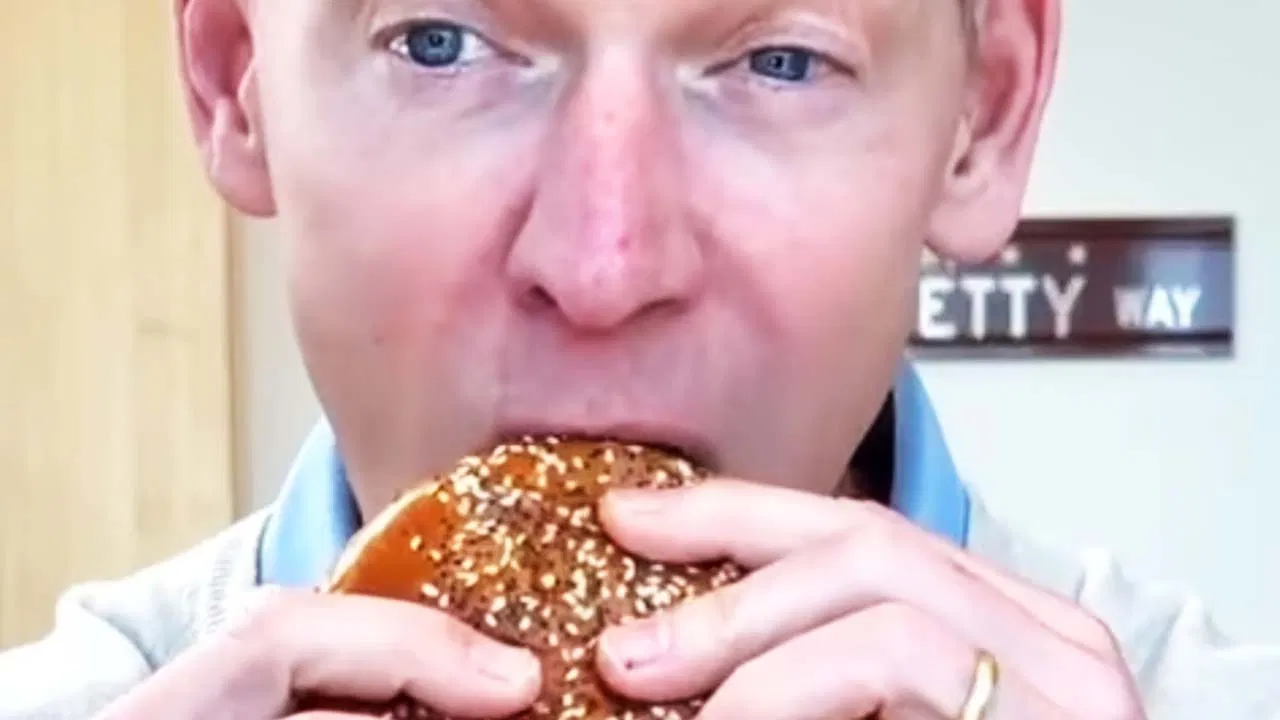
When McDonald's CEO Chris Kempczinski posted an Instagram video tasting the chain's new Big Arch burger earlier this month, he likely expected a wave of hungry excitement. Instead, the clip—viewed over 4.5 million times—unleashed a torrent of online mockery, with critics zeroing in on his timid first bite and his decision to call the menu item a "product." The viral moment isn't just a cringe-worthy corporate blunder; it's a telling reflection of growing public skepticism toward fast-food marketing and a broader shift toward health-conscious eating.
How the Big Arch Backfire Unfolded
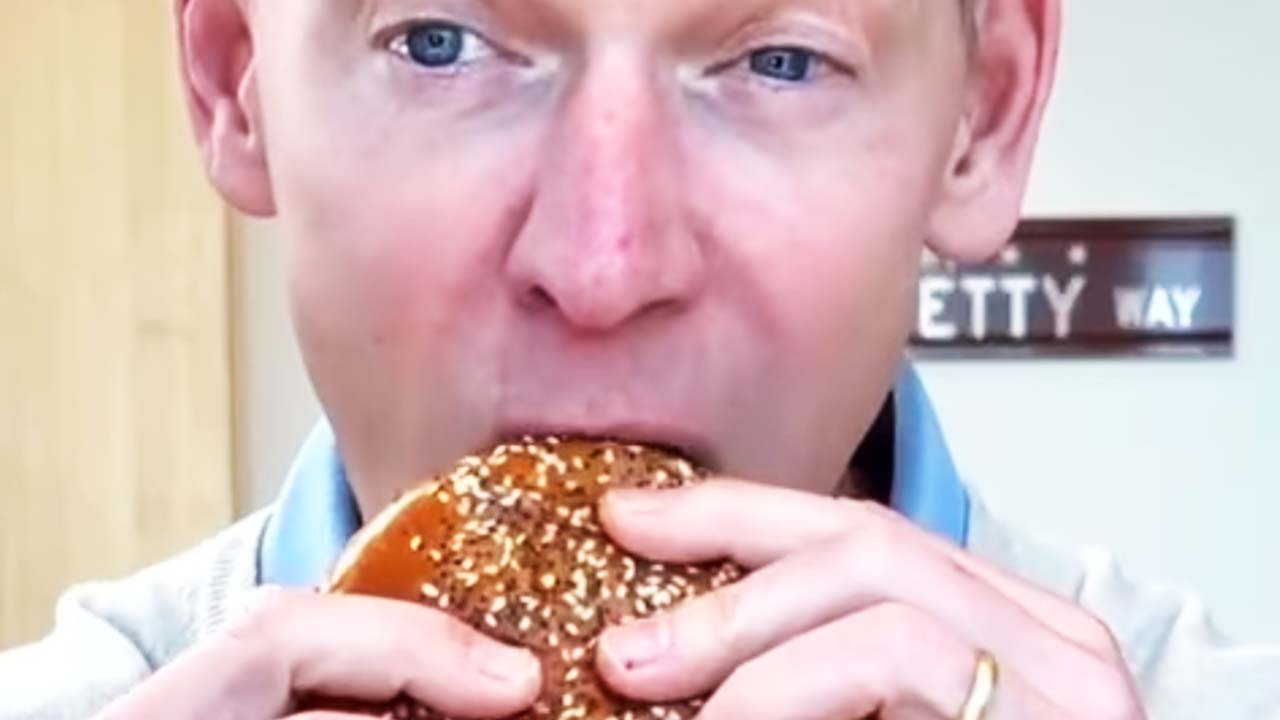
On February 3, 2026, Kempczinski shared a 30‑second review of McDonald's new limited‑time offering, the Big Arch burger. "Holy cow! God, that is a big burger," he says in the video, before taking a conspicuously small bite. He then declares, "That is so good," and adds, "It's distinctively McDonald's… it's a delicious product." Almost instantly, social media seized on the awkward delivery. "He acts like he's never seen a burger before," one observer noted. Another jeered, "That was the smallest first bite I've ever seen." Perhaps the most memorable dig came from a user who quipped that Kempczinski's sweater‑vested appearance made his aura "scream kale salad."
Timeline: From Viral Video to Fast‑Food Feud
The sequence of events moved quickly. Within 48 hours, the video had spread across Twitter, TikTok, and Reddit, with many viewers questioning why a fast‑food CEO would refer to a burger as a "product." By March 2, Burger King's President Tom Curtis fired back with his own video, taking an exaggerated, massive bite of a Whopper while staring directly at the camera. The stunt was widely interpreted as a direct jab at Kempczinski's timid tasting. Meanwhile, news outlets from Fox News to The Guardian picked up the story, amplifying the ridicule and turning a simple promotional clip into a full‑blown public‑relations episode.
Why the Viral Moment Matters for Your Health
Beyond the laughs, Kempczinski's awkward tasting taps into a deeper cultural shift: consumers are increasingly scrutinizing the health implications of fast food. The "kale salad" comment, in particular, highlights a perceived disconnect between corporate executives and the nutritious, whole‑food choices many people now prioritize. This scrutiny comes at a critical time for the fast‑food industry. In recent earnings calls, Kempczinski has acknowledged the rising influence of GLP‑1 weight‑loss drugs like Ozempic and Wegovy, which suppress appetite and can reduce demand for high‑calorie meals. "We don't yet see evidence of it really having a material impact on our business," he told Yahoo Finance, but added that McDonald's is already evaluating menu changes to better serve customers using these medications.
The Bigger Picture: Fast Food in a Health‑Conscious Era
McDonald's isn't alone in facing these pressures. Across the industry, chains are testing higher‑protein, lower‑carb options to cater to consumers who are more mindful of their dietary choices. The CEO's viral stumble—and the public's swift mockery—underscore a growing expectation that fast‑food leaders should not only sell food but also appear genuinely enthusiastic about it. When that enthusiasm feels forced or corporate, it erodes trust. For health‑conscious eaters, the episode is a reminder to look beyond flashy marketing and focus on the nutritional content of what they're ordering. Choosing grilled over fried, opting for extra vegetables, and skipping sugar‑laden sauces are simple steps that can make a fast‑food meal considerably healthier.
Where Things Stand Now: A Two‑Tier Economy and Your Wallet
Kempczinski's recent comments extend beyond menu tweaks. In a CNBC interview, he warned of a "two‑tier economy" in which upper‑income households continue to spend freely while middle‑ and lower‑income consumers are pulling back. "Traffic for lower‑income consumers is down double digits," he revealed, noting that many customers are skipping breakfast or eating at home to save money. This economic split has direct implications for health: when budgets tighten, cheaper, calorie‑dense fast food can become a default option, even as consumers express desire for healthier choices. For those looking to eat well on a budget, planning meals ahead, buying whole ingredients in bulk, and preparing simple, protein‑rich dishes at home remain the most effective strategies.
What Happens Next for Fast Food and Your Diet
Looking ahead, expect more fast‑food chains to introduce "health‑forward" items—think protein bowls, salad upgrades, and smaller, satiating snacks—as they respond to GLP‑1 drug adoption and evolving consumer preferences. The viral CEO video may fade from memory, but the underlying message will linger: today's eaters want transparency, authenticity, and options that align with their wellness goals. Whether you're a fast‑food occasional or a daily visitor, use this moment as motivation to examine your own choices. Swap the soda for water, add a side salad instead of fries, or try a grilled chicken sandwich instead of a breaded one. Small, consistent changes can add up to significant health benefits over time.
Key Takeaways for a Healthier Relationship with Fast Food
The McDonald's CEO's viral taste test offers several lessons for anyone focused on fitness and nutrition. First, corporate marketing often prioritizes hype over health—always read nutritional information before ordering. Second, the rise of weight‑loss drugs is pushing fast‑food chains to offer more protein‑rich, lower‑calorie options, so keep an eye out for new menu items that might fit your goals. Third, economic pressures can make unhealthy food seem like the only affordable choice, but with a little planning, you can eat well without breaking the bank. Finally, remember that your diet is a personal journey; what works for one person may not work for another. Stay curious, stay critical, and let your health—not a viral video—guide your decisions.