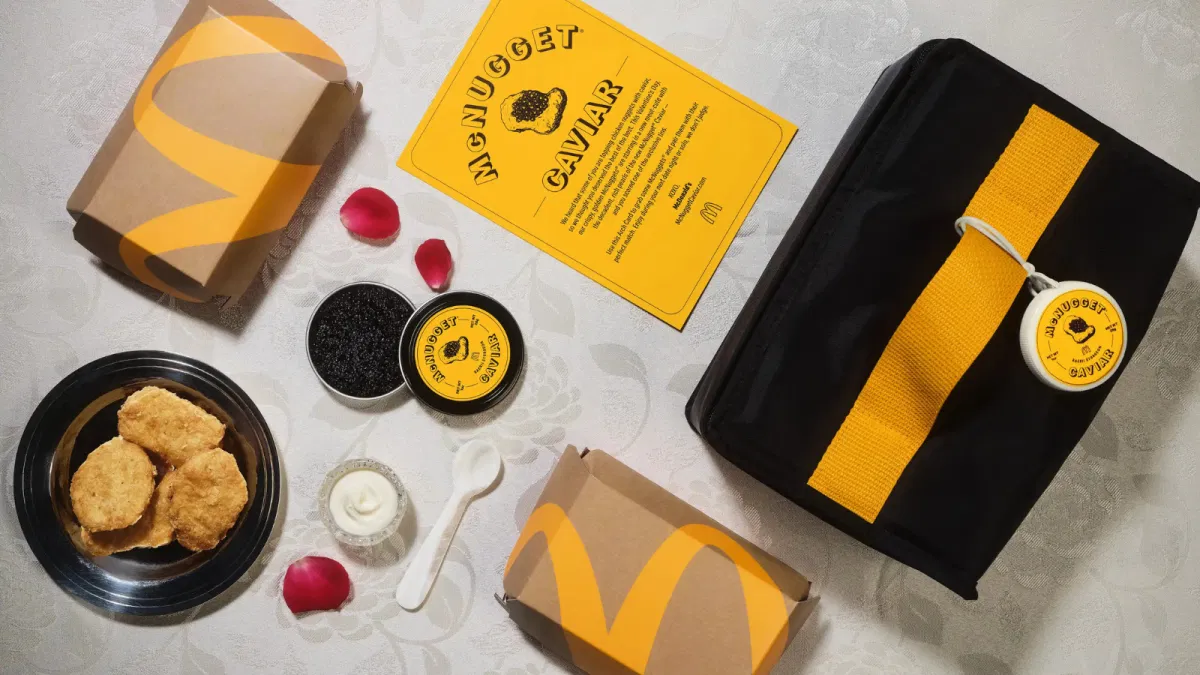
McDonald's made headlines this Valentine's Day with a luxury promotion that crashed their website and sold out within minutes: free McNugget Caviar kits featuring premium Baerii Sturgeon caviar. The fast‑food giant's limited‑edition giveaway on February 10, 2026, sparked a frenzy among customers, highlighting the bizarre intersection of high‑end dining and quick‑service restaurants. While this marketing stunt captured social‑media attention, it also raises important questions about the health implications of combining luxury foods with processed fast food—a topic that deserves scrutiny from a nutrition perspective.
What's Inside the McNugget Caviar Kit and Why It Went Viral
According to McDonald's official announcement, each McNugget Caviar kit contained a 1‑ounce tin of Baerii Sturgeon caviar from Paramount Caviar, a $25 Arch Card (gift card) to purchase Chicken McNuggets, crème fraîche, and a mother‑of‑pearl caviar spoon. The entire kit was offered free of charge, with supplies available exclusively online at McNuggetCaviar.com starting at 11 a.m. ET on February 10. The promotion was billed as a Valentine's Day “limited drop” that turned a viral social‑media meme into reality.
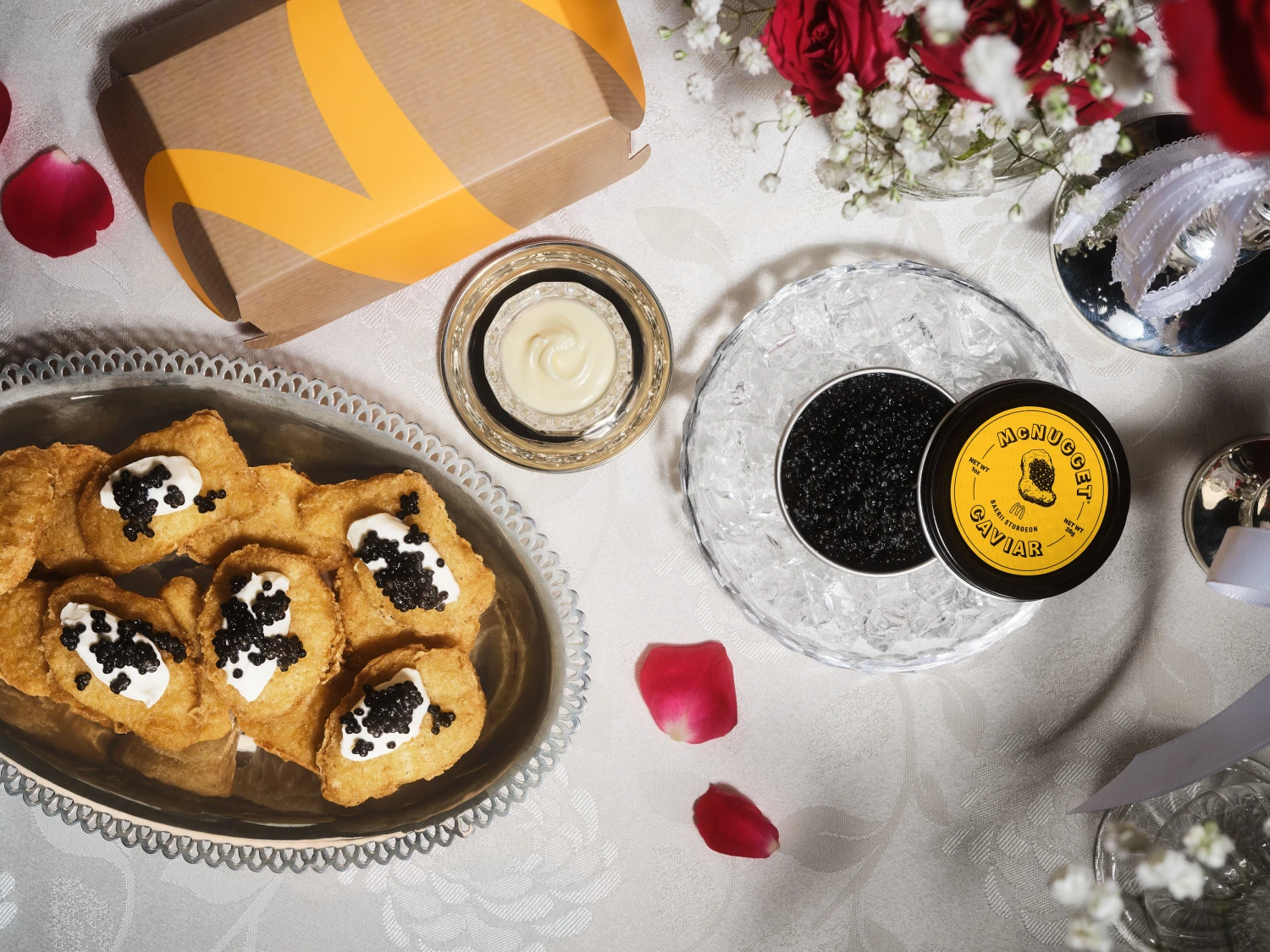
The caviar‑and‑nugget pairing is not a new idea. As reported by Today.com, the trend was popularized by celebrities like Rihanna, who posted her “soccer mom snack” of caviar‑topped nuggets on Instagram in December 2024, and by upscale restaurants such as COQODAQ in New York City, which serves a single nugget heaped with caviar for around $100. McDonald's tapped into this high‑low culinary trend, describing the pairing as “a true match made in heaven for the special occasions in life.”
From Viral Meme to Sold‑Out Reality: The McNugget Caviar Timeline
The launch unfolded rapidly and chaotically. At 11 a.m. ET on February 10, the dedicated website McNuggetCaviar.com went live. Within three minutes, the site crashed under the weight of traffic. By 11:15 a.m., the site was back up but displayed a “sold out” message. Customers took to social media to express frustration, with many reporting that the site crashed before the countdown timer even hit zero. Within hours, the free kits appeared on resale platforms like eBay with asking prices as high as $400.
McDonald's had not disclosed how many kits were available, only warning that supplies were “limited.” The extreme scarcity—coupled with the free price tag—created a perfect storm of demand. The Washington Times noted that the promotion “turned a viral meme into V‑Day reality,” but left many fans empty‑handed and questioning whether the giveaway was more about generating buzz than actually delivering a product.
Caviar Nutrition vs. Fast‑Food Health Risks: A Stark Contrast
While the McNugget Caviar kit is a novelty, it presents an interesting nutritional juxtaposition. On one hand, caviar is a nutrient‑dense delicacy. Healthline reports that caviar is an excellent source of omega‑3 fatty acids (EPA and DHA), which support heart health, brain function, and inflammation regulation. It also provides high levels of vitamin B12, selenium, iron, and high‑quality protein. A single ounce of Baerii Sturgeon caviar typically retails for about $95, making it a luxury item with genuine health benefits.

On the other hand, the Chicken McNuggets that the caviar is meant to accompany are a classic example of processed fast food. Medical News Today outlines the short‑term and long‑term effects of frequent fast‑food consumption, which include spikes in blood sugar, increased blood pressure, elevated inflammation, and reduced nutrient intake. Regular consumption of fast food is linked to higher risks of obesity, type‑2 diabetes, cardiovascular disease, and other chronic conditions.
“This promotion is a fascinating case of health‑halo marketing,” says a nutrition expert quoted in industry analysis. “By associating a nutrient‑rich food like caviar with a fast‑food staple, McDonald's creates a perception of indulgence without guilt. But the reality is that the caviar portion is tiny, while the nuggets still deliver the same sodium, saturated fat, and processed ingredients as always.”
Where Things Stand: Sold‑Out Kits and Skyrocketing Resale Prices
As of February 2026, the McNugget Caviar kits are completely sold out. McDonald's has not announced whether additional kits will be released or if the promotion will return in future years. The official McNuggetCaviar.com site now displays a simple “Sold Out” message, along with a suggestion to “elevate your McNuggets with our sweet and spicy Hot Honey for a limited time at your local McDonald's.”
Meanwhile, the secondary market for the kits has exploded. Listings on eBay, Facebook Marketplace, and other platforms show prices ranging from $200 to $400 per kit—a stark contrast to the original $0 cost. This resale frenzy underscores the power of scarcity marketing and the willingness of consumers to pay a premium for limited‑edition food items, even when those items are essentially a marketing gimmick.
What This Means for Fast‑Food Marketing and Health‑Conscious Consumers
The McNugget Caviar promotion is part of a larger trend in which fast‑food chains collaborate with luxury brands or introduce premium ingredients to elevate their image and attract media attention. Similar stunts have included pizza chains partnering with truffle companies, burger joints offering gold‑leaf toppings, and coffee shops serving limited‑edition desserts with rare ingredients.
For health‑conscious consumers, these promotions present a dilemma. On one level, they offer a chance to try a luxury ingredient at a fraction of its usual cost. On another level, they reinforce the idea that fast food can be “elevated” or “made healthy” simply by adding a nutrient‑rich garnish, which distracts from the underlying nutritional profile of the core product.
Nutritionists advise that if you're looking to incorporate caviar into your diet for its health benefits, it's better to purchase high‑quality caviar from a reputable source and pair it with whole‑food options like whole‑grain crackers, fresh vegetables, or eggs—rather than with deep‑fried, processed chicken nuggets. Similarly, if you're trying to reduce your fast‑food intake, a one‑time novelty kit is unlikely to derail your progress, but it shouldn't be seen as a healthy choice simply because it includes a sprinkling of caviar.
The Bottom Line: Key Points to Remember
McDonald's McNugget Caviar kit was a textbook example of viral marketing: a limited‑edition, free product that sold out in minutes, crashed a website, and generated massive media coverage. However, from a health perspective, the promotion highlights several important takeaways:
- Fast‑food luxury is still fast food. Adding a small amount of a nutrient‑dense ingredient does not transform a processed meal into a health food.
- Caviar has genuine nutritional benefits, including omega‑3s, vitamin B12, and selenium, but those benefits are diluted when paired with high‑sodium, high‑fat fast food.
- Scarcity marketing drives demand, but it often leaves consumers feeling frustrated and skeptical about the authenticity of the offer.
- For a truly healthy Valentine's Day (or any day), focus on whole, minimally processed foods and save caviar for occasions where it can be enjoyed without the baggage of marketing gimmicks.
As the fast‑food industry continues to experiment with luxury collaborations, consumers would do well to look beyond the hype and evaluate each offering based on its actual nutritional content—not just its Instagram‑friendly presentation.