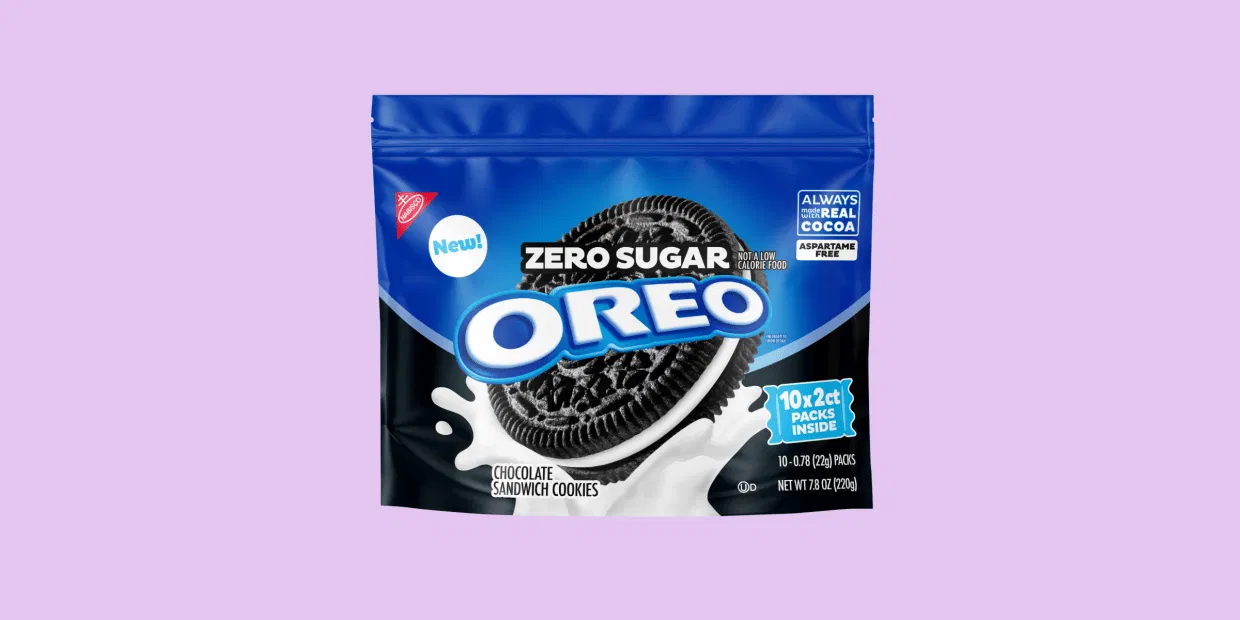
The iconic black-and-white sandwich cookie that has dominated snack aisles for over a century is getting a major makeover for health-conscious consumers. In a move that signals the growing demand for reduced-sugar options, Mondelez International announced this week that Oreo Zero Sugar and Oreo Double Stuf Zero Sugar will launch permanently in the United States in January 2026. This marks the first time the company has offered sugar-free Oreos in the American market, though they've been available in Europe and China for some time. The announcement comes as consumer research shows 66% of Americans are actively trying to cut back on sugar, according to a 2024 Statista study cited by Food & Wine.
How the Zero-Sugar Oreo Revolution Unfolded
The development of these cookies represents four years of research and development by Mondelez scientists, who aimed to create a product that maintained the classic Oreo taste while eliminating sugar entirely. According to the Associated Press report published in The Press Democrat, the company spent this extended timeframe "developing no-sugar Oreos so it could ensure the cookies still tasted like the originals." The result is a sweetener blend that includes maltitol (a sugar alcohol found in some fruits and vegetables), polydextrose (a soluble fiber), sucralose (a sweetener derived from sugar), and acesulfame potassium (a synthetic sweetener). Notably absent is aspartame, a sweetener that has faced increased consumer scrutiny in recent years.
Mondelez calls this approach "mindful indulgence"—a response to what market research company Circana identified as a majority of Americans seeking out snacks they consider "good for them." The trend is particularly strong among Millennials and Generation Z consumers, who according to Conagra Brands' recent snacking report are "seeking portion-controlled and wellness-focused snacks." The new Oreos arrive in stand-up bags containing individually wrapped two-cookie packs, a deliberate design choice that emphasizes portion control and convenience for on-the-go snacking.
The Nutrition Breakdown: What Zero Sugar Really Means
When comparing nutrition labels, the differences between traditional and zero-sugar Oreos reveal both surprises and important considerations for health-conscious consumers. A serving of Oreo Zero Sugar cookies—defined as 22.6 grams or two cookies—contains 90 calories, 4.5 grams of fat, and 16 grams of carbohydrates with zero grams of sugar. In contrast, a serving of regular Oreos—defined as three cookies or 34 grams—has 160 calories, 7 grams of fat, 25 grams of carbohydrates, and 13 grams of added sugar (26% of the recommended daily amount).
Registered dietitian Natalie Rizzo, nutrition editor for TODAY.com, provides crucial context about what these numbers mean for everyday consumers. "A typical Oreo has about 54 calories, which is only slightly more than the 45 in Oreo Zero Sugar," she notes. However, Rizzo emphasizes that both regular and sugar-free Oreos are "ultra-processed snacks with little nutritive value, so eat both sparingly." The zero-sugar version introduces sugar alcohols (6 grams per two-cookie pack), which Rizzo cautions can cause gastrointestinal discomfort, mainly diarrhea, when consumed in large quantities.
The ingredient list reveals the complexity behind achieving that classic Oreo taste without sugar: unbleached enriched flour, maltitol, canola oil, palm oil, polydextrose, cornstarch, cocoa processed with alkali, baking soda, sorbitol, salt, soy lecithin, chocolate, artificial flavor, sucralose, and acesulfame potassium. For those monitoring specific sweeteners, the absence of aspartame may be welcome news following recent studies suggesting potential negative long-term impacts on brain health.

Taste Test Verdict: Can Science Really Recreate the Magic?
Across multiple publications that conducted blind and comparative tastings, the consensus is surprisingly positive. Food & Wine's reviewer noted that "the zero-sugar cookies closely resemble classic Oreos with only a mild sweetener aftertaste," while Delish's editor admitted being "shook" by how close they came to the original. The Sporked review went even further, awarding the cookies a perfect 10/10 score and stating, "I actually prefer these to a standard Oreo."
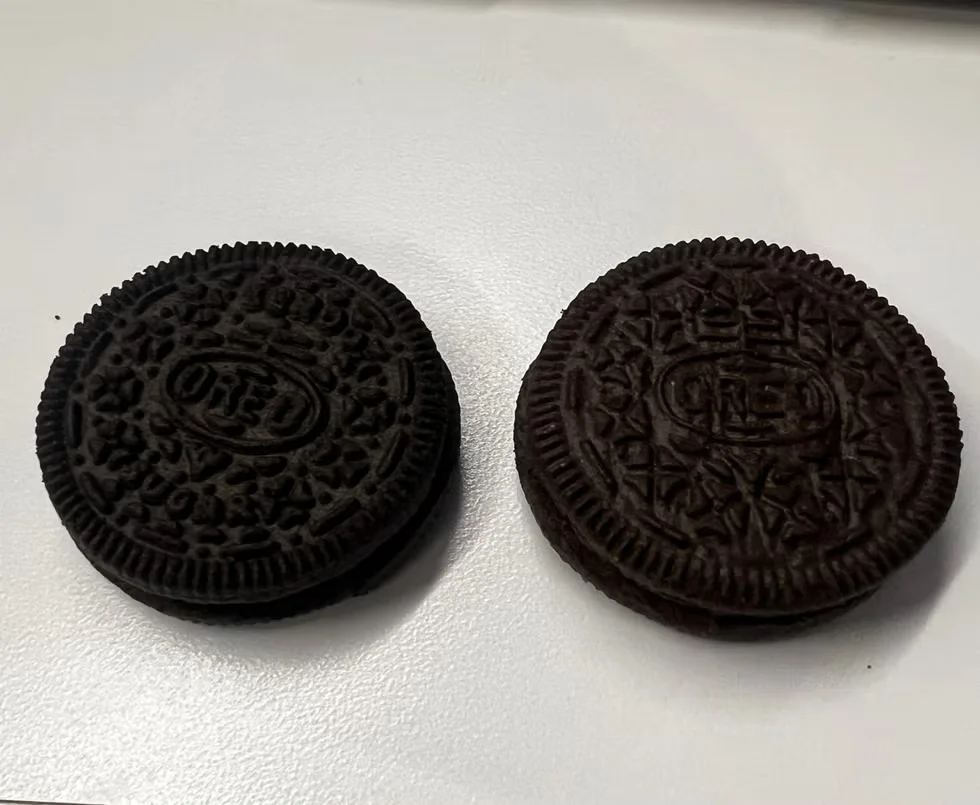
However, nuances emerged in detailed testing. Delish's Amanda Mactas observed that the Zero Sugar cookie looked "crisper, cleaner, and more amply stuffed with filling" than the original, but noted a "slightly filmy, bitter aftertaste" when eating the filling alone. EatingWell's Danielle DeAngelis found the standard Zero Sugar version "nearly identical" to traditional Oreos, but cautioned that Double Stuf Zero Sugar had a more noticeable artificial sweetener taste due to the increased cream volume.
Perhaps most tellingly, several reviewers noted that if they hadn't tasted the cookies side-by-side with originals, they might not have detected the sugar-free formulation at all. This represents a significant achievement in food science, considering that recreating the taste of what is essentially "pure sugar" (as Sporked's reviewer described classic Oreo cream) without any sugar presents considerable technical challenges.
Current Availability and Practical Considerations
As of December 2025, the Zero Sugar Oreos are scheduled to hit store shelves nationwide in January 2026. Both the Original and Double Stuf varieties will be permanent additions to the Oreo lineup, not limited-time offerings. The cookies will be sold in stand-up bags containing ten individually wrapped two-cookie packs, retailing for approximately $5.29 according to the Oreo website.
This pricing reveals an important consideration for budget-conscious consumers: that same $5.29 buys a family-size package of 45 standard Oreo cookies. The per-cookie cost is therefore significantly higher for the zero-sugar version—a premium of approximately 136% compared to traditional Oreos. For those managing diabetes or closely monitoring sugar intake, this premium might be justified, but for occasional treat-seekers, the cost difference is substantial.
The packaging itself represents a departure from Oreo's traditional sleeve design, with the company stating the new format makes the cookies "your portion control and sweet tooth companion" while allowing people to keep their "health & wellness goals." This positioning aligns with broader snack industry trends toward what Mondelez calls "mindful indulgence"—products that acknowledge health concerns while still delivering on taste.

What This Means for the Future of Indulgent Snacking
The launch of Zero Sugar Oreos represents more than just another product extension—it signals a fundamental shift in how major food brands are responding to changing consumer preferences. With Coca-Cola Zero Sugar experiencing 9% sales growth last year (compared to just 2% for original Coke) and Hershey already selling zero-sugar versions of Reese's Peanut Butter Cups, the market for reduced-sugar indulgences is clearly expanding.
Looking forward, several developments seem likely. If the Zero Sugar Oreos prove successful, Mondelez may expand the line to include other popular Oreo flavors like Mint, Golden, or Peanut Butter. The company might also explore reduced-sugar versions of other brands in its portfolio, which includes Chips Ahoy!, Nilla Wafers, and Barnum's Animals Crackers. The technology developed during the four-year research process could potentially be applied across multiple product categories.
For consumers, the increasing availability of such products offers more choices but also requires more informed decision-making. As EatingWell's review concludes, "At EatingWell, we are firm believers that any food and drink can be included in a healthy eating pattern, and that includes your go-to black and white sandwich cookie. Moderation is key." This balanced perspective recognizes that while zero-sugar options provide alternatives for those with specific health needs or preferences, they don't fundamentally transform indulgent snacks into health foods.
The Bottom Line: Key Takeaways for Health-Conscious Cookie Lovers
After analyzing the launch from every angle—nutritional, sensory, economic, and health—several clear conclusions emerge. First, the Zero Sugar Oreos represent a genuine innovation in food science, coming remarkably close to replicating the classic Oreo experience without sugar. Second, while they eliminate added sugar, they introduce sugar alcohols that may cause digestive issues for some people, particularly when consumed in large quantities. Third, the premium pricing means they're primarily targeted at those with specific dietary needs rather than casual snackers.
For people with diabetes, those following strict low-sugar diets, or anyone simply trying to reduce their sugar intake, the Zero Sugar Oreos offer a viable alternative that doesn't require completely abandoning a beloved treat. However, as dietitian Natalie Rizzo reminds us, "Some people with diabetes or those who are watching their sugar intake may opt for sugar-free Oreos to manage blood sugar levels. In my opinion, regular and sugar-free Oreos are ultra-processed snacks with little nutritive value, so eat both sparingly."
The ultimate test will come in January 2026 when consumers can finally taste for themselves whether these cookies live up to the hype—and whether the trade-offs in cost, potential digestive effects, and subtle taste differences are worth the elimination of 13 grams of added sugar per serving. Until then, the message from health experts remains consistent: whether classic or zero-sugar, cookies are treats best enjoyed in moderation as part of an otherwise balanced, whole-food-focused diet.