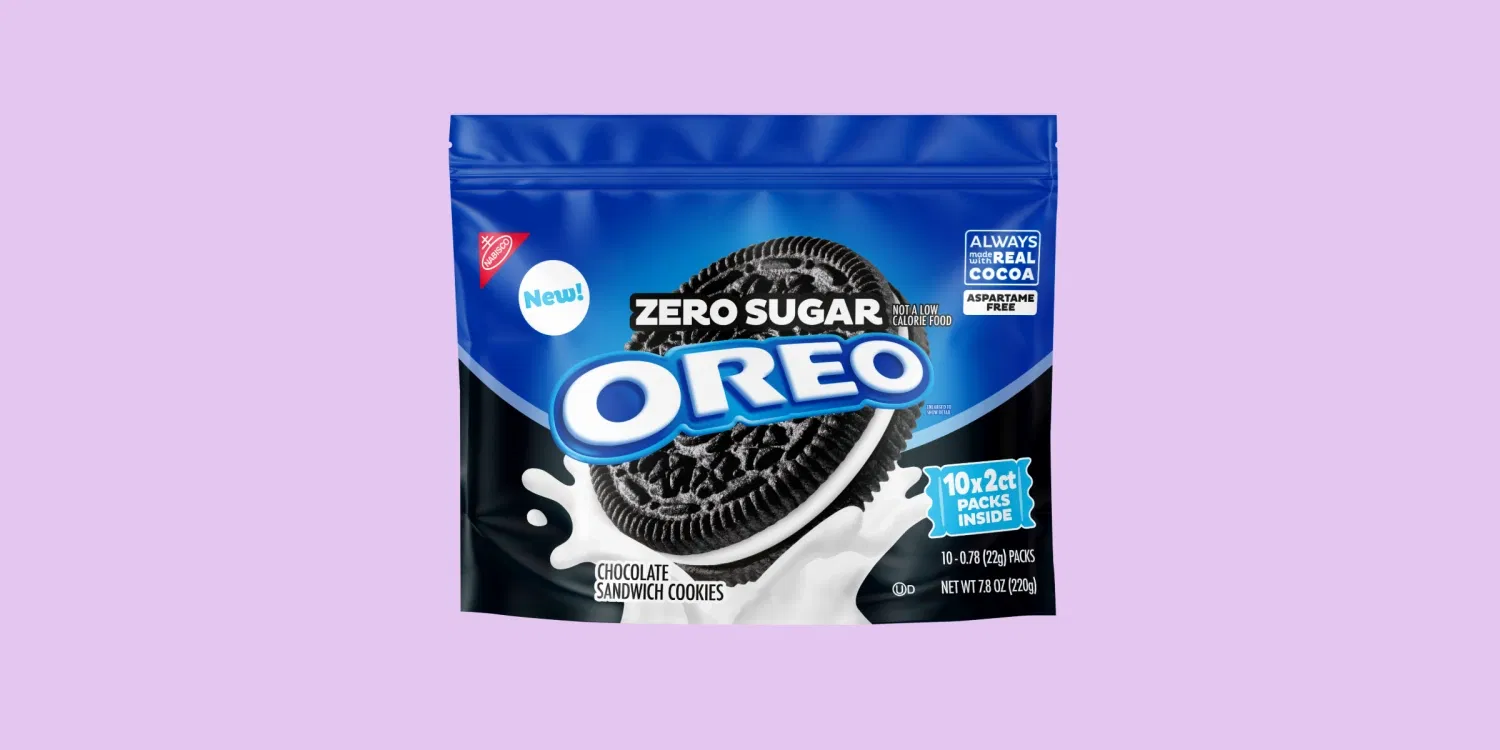
Oreo has finally answered the call of health-conscious cookie lovers everywhere. On December 9, 2025, Mondelez International announced the launch of Oreo Zero Sugar, the brand's first-ever sugar-free cookie sold in the United States. Available in both Original and Double Stuf varieties, the new treats hit store shelves nationwide starting January 2026 — and they're already sparking a heated debate among dietitians, nutrition experts, and cookie fans alike.
What's Inside the Zero Sugar Oreo?
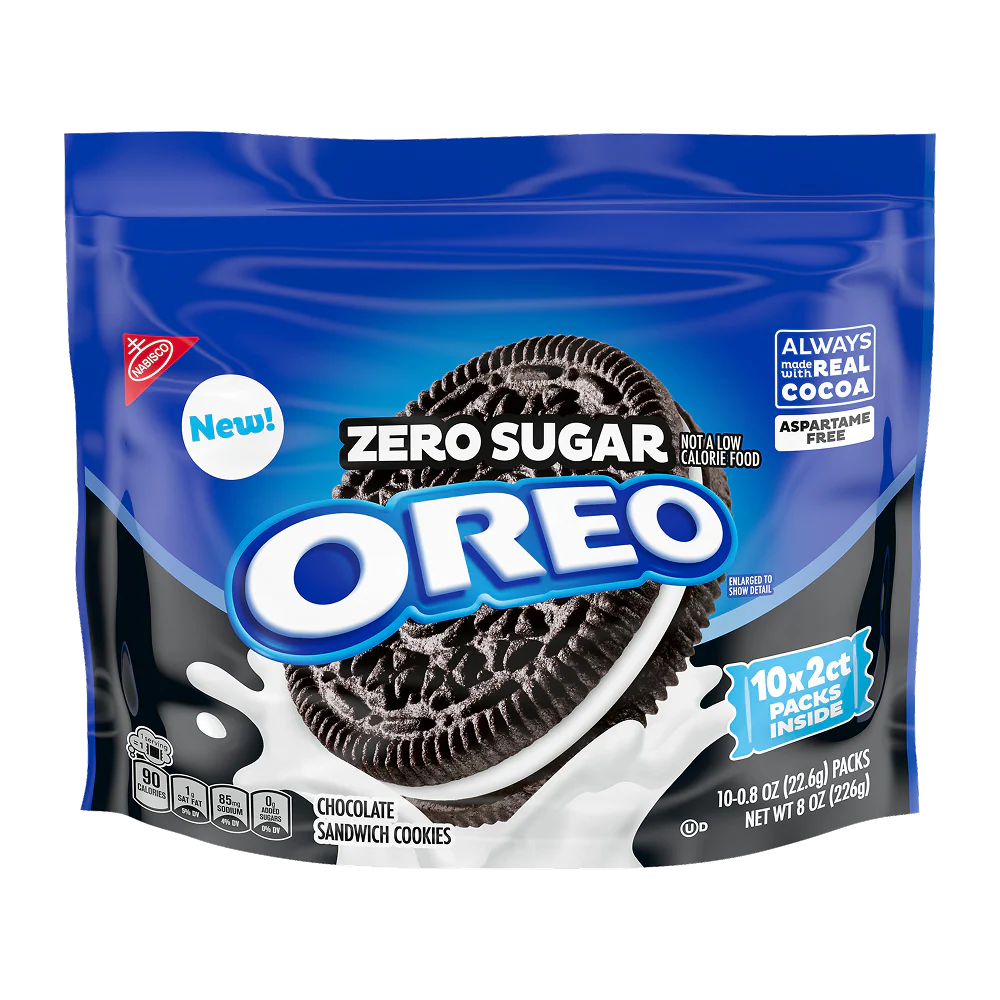
Each pack of Oreo Zero Sugar contains two cookies and delivers 90 calories, 4.5 grams of fat, 16 grams of carbohydrates, and — as the name promises — zero grams of sugar. By comparison, a serving of three classic Oreos packs 160 calories, 7 grams of fat, 25 grams of carbs, and 14 grams of total sugars. Per cookie, the Zero Sugar version clocks in at about 45 calories versus roughly 54 calories for the original.
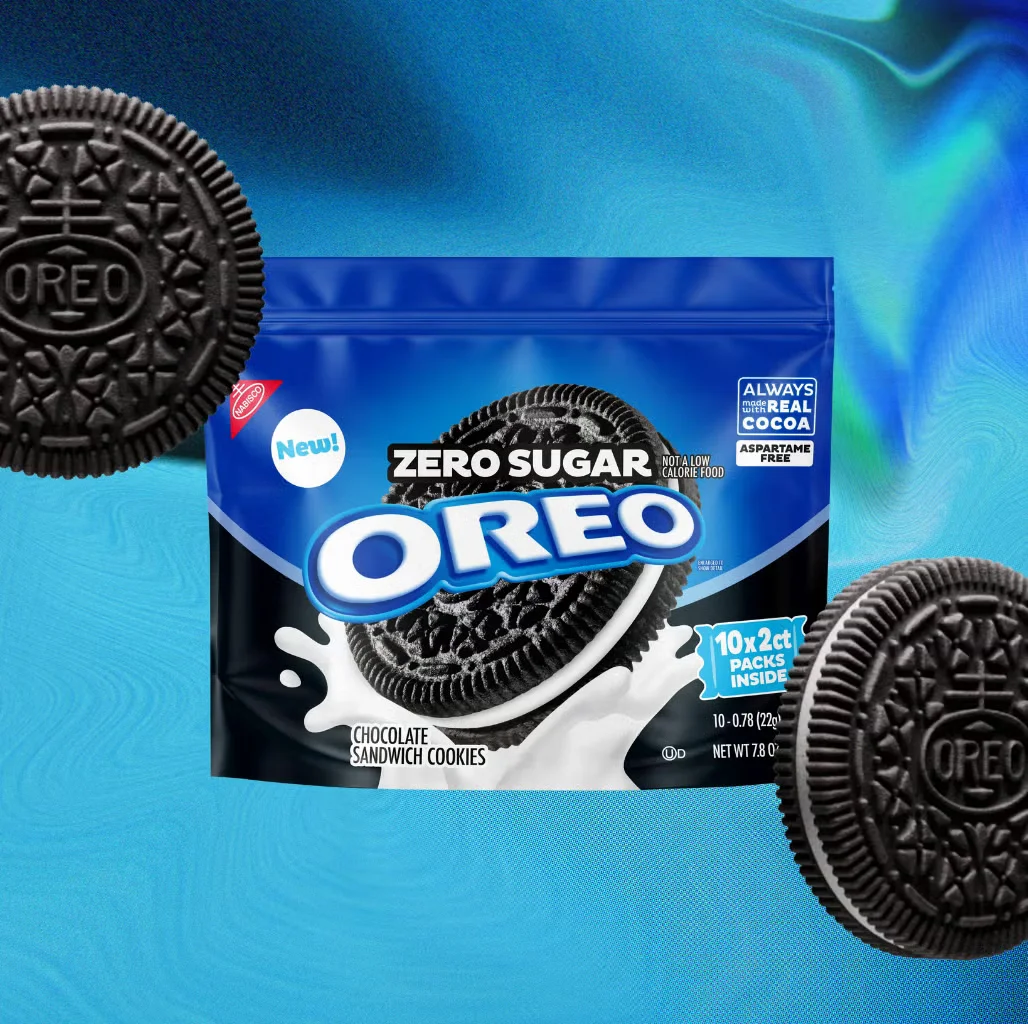
So how does Oreo achieve that sweet taste without sugar? The ingredient list includes a blend of sugar alternatives: maltitol (a sugar alcohol naturally found in some fruits), polydextrose (a man-made soluble fiber), sucralose, and acesulfame potassium (Ace-K). Notably, there's no aspartame, which some consumers actively avoid. The cookies also feature a refreshed stand-up bag design for "convenient on-the-go snacking," as the brand describes it, with each bag retailing for approximately $5.29.
How the Zero Sugar Oreo Came to Be
Mondelez International spent about four years perfecting the recipe, aiming to deliver the authentic Oreo experience without the sugar. The launch responds to a major shift in consumer habits. According to Michelle Deignan, vice president of Oreo, the company recognized that "many consumers are seeking ways to reduce their sugar intake and are looking for choice when it comes to snacking options." Indeed, the 2024 International Food Information Council Foundation Food and Health Survey found that 66% of Americans reported actively limiting their sugar intake.
The cookie had already been available across Europe and China before finally arriving in the U.S. market. The product is positioned as a "portion control and sweet tooth companion," allowing people to maintain their health and wellness goals while still enjoying America's favorite cookie.
What Dietitians Want You to Know
While Oreo Zero Sugar may seem like a healthier choice on paper, nutrition experts urge caution. Registered dietitian Natalie Rizzo, nutrition editor for TODAY.com, notes that regular and sugar-free Oreos are both "ultra-processed snacks with little nutritive value" and recommends eating both sparingly.
Good Housekeeping Nutrition and Fitness Director Stefani Sassos, MS, RDN, CDN, goes further: "Just because a product is labeled 'zero sugar' doesn't automatically make it healthier. These cookies still contain a long list of artificial ingredients, flavors, and sweeteners like sucralose, which can actually mess with your taste buds." She also warns of a "health halo effect," where people may end up eating more because they believe they're making a healthier choice.
Key nutrition facts per serving compared gram-for-gram between the two (adjusted for serving size differences) show that the fat and carb content is nearly identical — the main difference is the sugar content. Oreo Zero Sugar uses sugar alcohols like maltitol and sorbitol, which Rizzo explains "don't spike blood sugar as much as sugar, but they still do affect blood sugar levels a little bit." She also cautions that consuming large amounts of sorbitol has been linked to gastrointestinal discomfort, including diarrhea.
Where Things Stand Now
Oreo Zero Sugar is already rolling out to retailers nationwide in January 2026. The product is available in both Original and Double Stuf options, permanently stocked in the cookie aisle. Consumers can expect to pay about $5.29 per bag, which contains 20 cookies (10 two-cookie packs). The cookies use a resealable stand-up bag rather than the traditional sleeve packaging, emphasizing their portability.
The internet has been divided since the announcement. Some celebrate the lower sugar option for diabetics and those watching their intake, while others point out the marginal calorie savings — just 8 calories less per cookie than the original. Reddit threads and social media debates have highlighted that many consumers expected a bigger nutritional overhaul from a "zero sugar" product.
Healthier Alternatives to Consider
For those looking to satisfy their Oreo craving with more nutritional value, several healthier alternatives exist. Homemade versions using whole wheat flour, natural sweeteners like stevia or monk fruit, and organic cocoa powder can replicate the Oreo experience without artificial ingredients. Keto-friendly recipes using almond flour and sugar-free chocolate also provide options for those on low-carb diets. However, for portion-controlled indulgence that still delivers that iconic taste, Oreo Zero Sugar does offer a middle ground — as long as you go in with realistic expectations.
The Bottom Line
- Calories: 45 per Zero Sugar cookie vs. 54 per classic Oreo — a modest difference
- Sugar: 0g in Zero Sugar vs. 5g in a classic Oreo
- Ingredients: Sweetened with maltitol, polydextrose, sucralose, and Ace-K — no aspartame
- Availability: January 2026 at U.S. retailers nationwide, $5.29 per bag
- Expert verdict: Still an ultra-processed snack — eat in moderation regardless of which version you choose
Oreo Zero Sugar is a step in the right direction for sugar reduction, but it's not a health food. If you're managing diabetes or strictly counting sugar grams, the Zero Sugar option provides some meaningful advantages. But for most people, the best approach remains the same as it's always been: enjoy your Oreos mindfully, whether they're original or zero sugar.