The U.S. Food and Drug Administration has escalated a nationwide cheese recall to its most serious risk category, warning that contaminated pecorino romano cheese products could cause "serious adverse health consequences or death." The January 2026 upgrade of the Ambriola Company's voluntary recall to Class I status represents the FDA's highest level of concern, marking a significant development in food safety that affects consumers across 20 states. This recall underscores the critical importance of vigilance in our food choices, especially for those focused on maintaining a healthy lifestyle through careful nutrition and food safety practices.
How the FDA's Highest-Risk Cheese Recall Unfolded
The Ambriola Company, a major specialty cheese importer and distributor based in West Caldwell, New Jersey, first issued a voluntary recall on November 21, 2025, after routine testing at their processing facility confirmed the presence of Listeria monocytogenes. The initial recall affected select pecorino romano cheese products, but the situation took a more serious turn when the FDA reclassified the recall as Class I on January 6, 2026. According to agency guidelines, this classification means there is a "reasonable probability" that consumption of these products could lead to severe illness or death.
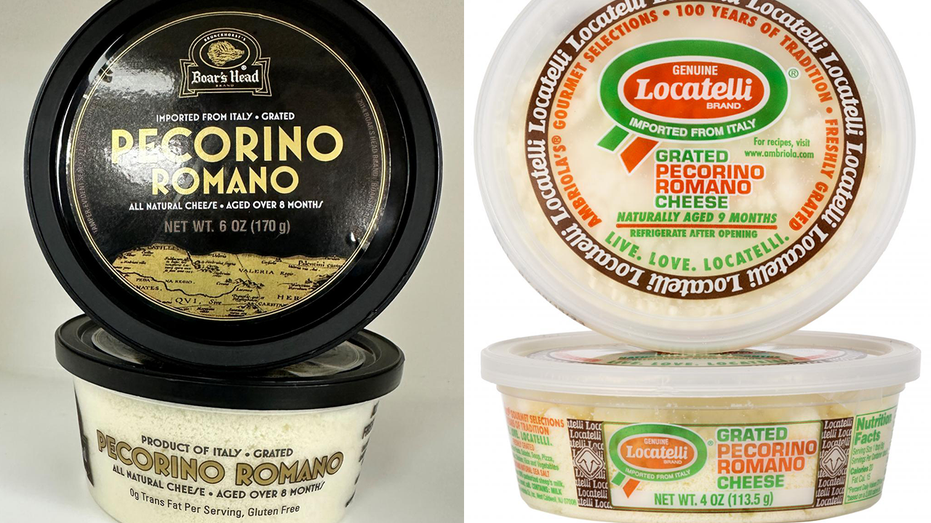
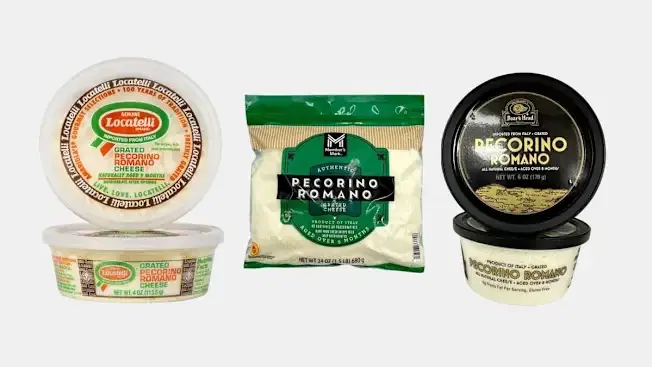
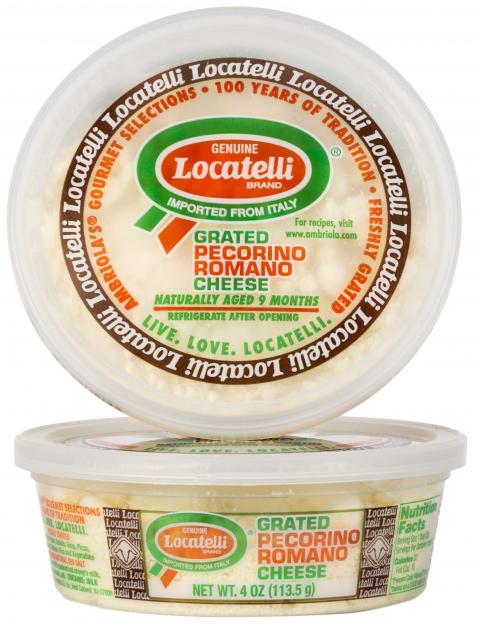
The recall spans multiple well-known brands in the cheese market, including Ambriola's own label along with Locatelli, Member's Mark (Sam's Club private label), Pinna, and Boar's Head. These products were distributed to retail stores and food distributors nationwide between November 3 and November 20, 2025, reaching consumers through major retailers across the country. The affected items include various sizes and packaging formats, from small 4-ounce plastic cups designed for home use to larger 5- and 10-pound bags typically used in food service operations.
Phil Marfuggi, CEO of Ambriola Company, stated in the FDA notice: "We take food safety very seriously and immediately alerted stores and distributors to remove the affected products from shelves. We are working closely with the FDA and continuing to test our products and facilities to fully understand the situation." The company has suspended production and distribution of affected products while conducting what it describes as "a thorough review of all sanitation and food safety procedures."
From November to January: The Escalating Cheese Recall Timeline
The timeline of this cheese recall reveals how food safety situations can evolve over time, highlighting the importance of ongoing monitoring and response. The sequence began on November 21, 2025, when Ambriola Company first announced the voluntary recall after detecting listeria during routine testing at their New Jersey facility. Products manufactured between early November and the recall date were immediately pulled from distribution channels.
Nearly seven weeks later, on January 6, 2026, the FDA upgraded the recall to Class I status based on continued evaluation of the potential risks. This escalation came despite no reported illnesses linked to the contaminated products, demonstrating the precautionary approach federal regulators take when dealing with potentially dangerous pathogens like Listeria monocytogenes.
The FDA's enforcement report from January 6 officially changed the classification, triggering renewed warnings from public health agencies and media outlets throughout January 2026. This second wave of attention proved crucial, as many of the recalled products have expiration dates extending through May 2026, meaning they could still be sitting in consumers' refrigerators months after the initial recall announcement.
Why Listeria in Cheese Poses Serious Health Risks
Listeria monocytogenes represents one of the more dangerous foodborne pathogens, particularly for vulnerable populations. Unlike many bacteria that primarily cause gastrointestinal distress, listeria can invade the bloodstream and central nervous system, leading to severe complications. The FDA's original announcement noted: "Although healthy individuals may suffer only short-term symptoms such as high fever, severe headache, stiffness, nausea, abdominal pain and diarrhea, Listeria infection can cause miscarriages and stillbirths among pregnant women."
According to the Centers for Disease Control and Prevention, listeriosis causes approximately 1,250 illnesses and 172 deaths annually in the United States. The infection is particularly dangerous for pregnant women, newborns, adults 65 and older, and people with weakened immune systems. For pregnant individuals, listeria infection can lead to miscarriage, stillbirth, premature delivery, or life-threatening infection of the newborn, even if the mother experiences only mild symptoms.
What makes listeria especially concerning in cheese products is its ability to grow at refrigerator temperatures, unlike many other foodborne pathogens that require warmer conditions. This characteristic means that even proper refrigeration doesn't guarantee safety if contamination has occurred. Soft cheeses and those made with unpasteurized milk typically receive the most attention for listeria risk, but this recall demonstrates that even hard, grated cheeses like pecorino romano can become contaminated during processing.
Health experts emphasize that symptoms of listeriosis can appear anywhere from a few days to two months after consuming contaminated food, making it challenging to connect illnesses to specific products. Common symptoms include fever, muscle aches, headache, stiff neck, confusion, loss of balance, and convulsions, along with gastrointestinal symptoms. The delayed onset underscores why broad recalls like this one are necessary even without immediate reports of illness.
Where the Recall Stands Now: Products to Avoid
As of mid-January 2026, consumers should check their refrigerators and freezers for the following specific products, all of which are part of the Class I recall:
- Locatelli Grated Pecorino Romano - 4-ounce and 8-ounce plastic cups with lids (Lot numbers: 1000572472, 1000570734, 1000570735, 1000570736, 1000572482, 1000572483, 1000572485)
- Locatelli Grated Pecorino Romano - 5- and 10-pound plastic bags (Lot numbers: 1000570725, 1000572476, 1000570724, 1000572475, 1000570726, 1000570727, 1000572477)
- Boar's Head Grated Pecorino Romano - 6-ounce plastic cups with lids (Lot number: 1000572486)
- Member's Mark Pecorino Romano - 1.5-pound plastic bags (Lot numbers: 1000570107, 1000570766, 1000572513)
- Pinna Grated Pecorino Romano - 10-pound plastic bags (Lot number: 1000572486)
- Ambriola Piccante Grated Pecorino Romano - 5- and 10-pound plastic bags (Lot numbers: 1000572981, 1000570737, 1000570092, 1000572487)
The affected products were distributed to retail locations in 20 states: Arizona, California, Colorado, Connecticut, Delaware, Florida, Georgia, Illinois, Indiana, Massachusetts, Maine, New Jersey, New York, Ohio, Oregon, Pennsylvania, Texas, Virginia, Washington, and Wisconsin. Major retailers including Sam's Club, Wegmans, and other grocery chains received these products during the November distribution window.
Consumers who have purchased any of these products should not consume them. The FDA and Ambriola Company recommend either disposing of the cheese immediately or returning it to the place of purchase for a full refund. For questions or concerns, consumers can contact Ambriola directly at 1-800-962-8224, Monday through Friday from 9 a.m. to 4 p.m. Eastern Time.
What Happens Next: Ongoing Investigations and Consumer Safety
The Ambriola Company continues to work with FDA investigators to determine the source and extent of the listeria contamination at their West Caldwell facility. This ongoing investigation will focus on identifying potential points of contamination in the production process and implementing corrective measures to prevent future occurrences. Food safety experts typically examine equipment sanitation procedures, employee hygiene practices, ingredient sourcing, and facility environmental conditions during such investigations.
For consumers, several important steps remain. First, those who may have consumed affected products should monitor themselves for symptoms of listeriosis, particularly if they belong to vulnerable populations. Anyone experiencing symptoms should contact their healthcare provider immediately and mention potential exposure to recalled cheese products.
Second, this recall serves as a reminder of broader food safety practices that support healthy eating habits. Always check refrigerator and pantry items against recall lists, particularly when you belong to a higher-risk group. Consider registering products with manufacturers when possible to receive direct notification of recalls. Practice proper food handling, including maintaining refrigerator temperatures at or below 40°F, separating raw and cooked foods, and thoroughly washing surfaces and utensils that contact food.
Finally, this incident highlights the importance of supporting robust food safety regulations and reporting systems. The fact that routine testing detected this contamination before widespread illness occurred demonstrates the value of preventative food safety measures. Consumers can contribute to this system by reporting suspected foodborne illnesses to local health departments and the FDA, helping identify patterns that might otherwise go unnoticed.
Key Takeaways for Healthy Eating and Food Safety
This pecorino romano cheese recall offers several important lessons for anyone committed to healthy eating and food safety:
- Recalls can escalate: A voluntary recall can become a high-risk situation as new information emerges. Stay informed about updates to any food recalls affecting products in your home.
- Listeria poses unique risks: Unlike many foodborne pathogens, listeria can grow at refrigerator temperatures and particularly threatens pregnant women, elderly individuals, and those with compromised immune systems.
- Check your products: Take a few minutes to review the specific products, lot numbers, and expiration dates listed in this recall. Many of these items have long shelf lives and may still be in circulation.
- When in doubt, throw it out: If you're uncertain whether a product is included in the recall, err on the side of caution. The potential health risks outweigh the cost of replacement.
- Healthy eating includes food safety: A nutritious diet depends not just on what you eat, but on ensuring those foods are safe and free from contamination.
While no illnesses have been reported in connection with this recall as of January 2026, the FDA's decision to escalate it to Class I status reflects the serious potential consequences of listeria contamination. By staying informed, checking products carefully, and practicing good food safety habits, consumers can protect themselves and their families while continuing to enjoy the nutritional benefits of cheese as part of a balanced, healthy diet.