In a major shakeup for the fast-food industry, Pizza Hut announced it will close 250 U.S. locations in the first half of 2026. The move comes as parent company Yum Brands conducts a strategic review of the iconic pizza chain amid declining sales and shifting consumer preferences. But this isn't just another business story—it's a telling sign of how Americans are rethinking their relationship with fast food and prioritizing healthier choices in their daily routines.
The Pizza Hut Shakeup: 250 Locations Closing by Mid-2026
The planned closures represent approximately 3% of Pizza Hut's domestic footprint and follow 375 U.S. restaurant closures in fiscal 2025. According to Yum Brands' fourth-quarter earnings call, the company is implementing what it calls the "Hut Forward" program—a strategic initiative focusing on "vibrant marketing, modernization of technology, and franchise agreements."
"We are taking focused, short-term actions on Pizza Hut, including closing about 250 underperforming restaurants in the U.S. in the first half of 2026," stated Yum Brands CFO Ranjith Roy during the earnings presentation. The company finished 2025 with 6,307 domestic locations, meaning these closures will significantly reshape the chain's physical presence across the country.
Why Fast Food Pizza Is Falling Out of Favor
The Pizza Hut closures arrive at a pivotal moment in consumer behavior. According to a detailed McKinsey analysis of restaurant industry trends for 2026, American consumers are increasingly prioritizing health, quality, and value in their dining choices. The report notes that "consumers are voting with their wallets for establishments that offer healthier options, transparent sourcing, and better nutritional profiles."
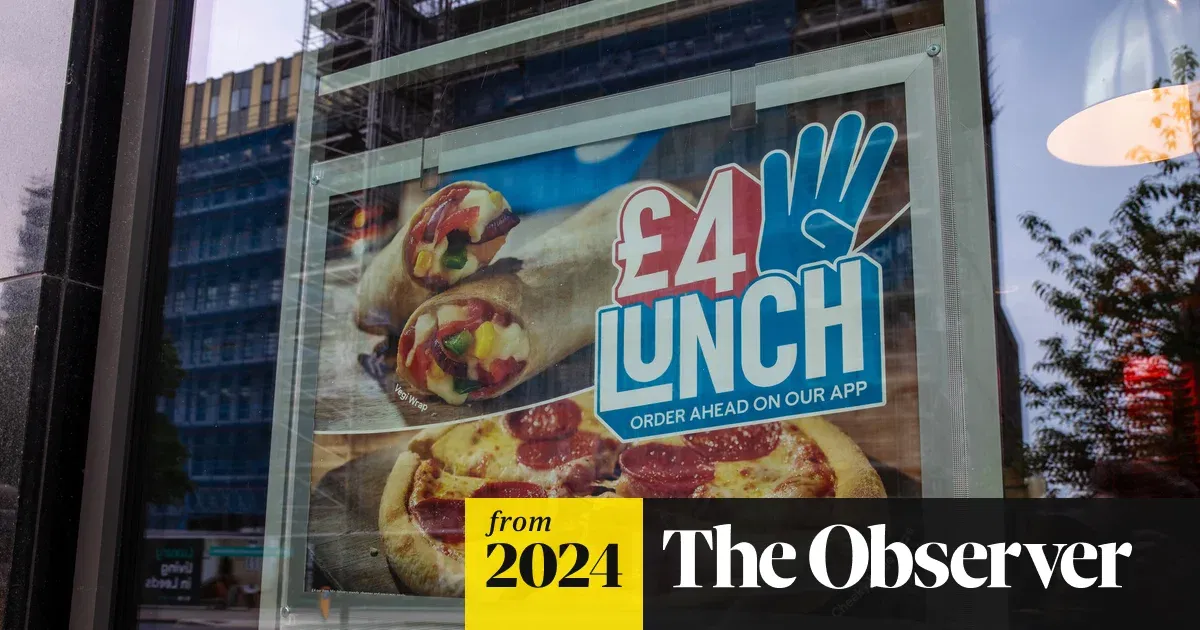
This shift isn't happening in isolation. Health experts have been sounding alarms about the nutritional content of fast food for years. A 2024 Guardian investigation revealed growing concerns about chains like Domino's and KFC offering cheap lunch deals that health professionals warn could contribute to long-term health issues. Dietitian Aisling Pigott told The Guardian that regular consumption of such meals "normalizes eating patterns that are high in salt, sugar, and saturated fat."
When we examine the numbers, the concerns become starkly clear. A single slice of Pizza Hut's hand-tossed pepperoni pizza (14-inch large) contains approximately 300 calories, 13 grams of fat (6 grams saturated), and 590 milligrams of sodium. Considering the American Heart Association recommends no more than 2,300 milligrams of sodium daily—and ideally just 1,500 milligrams for most adults—that one slice delivers 25-39% of your daily sodium limit in just a few bites.
The Nutritional Reality of Fast Food Pizza
Let's break down what you're really consuming when you order from traditional pizza chains. Beyond the alarming sodium content, fast food pizza often contains:
- Highly processed meats with preservatives like sodium nitrate
- Refined white flour crusts with minimal fiber
- Cheeses high in saturated fats
- Sugary tomato sauces with added sweeteners
- Artificial flavors, colors, and preservatives in many toppings
Regular consumption of such meals has been linked in numerous studies to increased risks of obesity, type 2 diabetes, high blood pressure, and heart disease. The Centers for Disease Control and Prevention reports that the average American consumes over 3,400 milligrams of sodium daily—far above recommended limits—with processed foods like pizza being major contributors.
How to Enjoy Pizza Without Compromising Your Health Goals
The good news is that you don't have to give up pizza entirely to maintain a healthy lifestyle. With some smart swaps and mindful choices, you can still enjoy this beloved food while supporting your fitness journey. Here are five strategies for healthier pizza consumption:
1. Choose Your Crust Wisely
Opt for thin crust over thick or stuffed varieties. Better yet, explore alternative crusts like cauliflower, whole wheat, or even Greek yogurt-based options that offer more protein and fiber. Many pizzerias now offer gluten-free and vegetable-based crusts that significantly reduce calorie and carbohydrate counts.
2. Load Up on Veggies
Transform your pizza into a nutrient powerhouse by adding generous portions of vegetables. Bell peppers, mushrooms, onions, spinach, artichokes, and tomatoes not only add flavor and texture but also provide essential vitamins, minerals, and fiber. The more colorful your pizza, the better its nutritional profile.
3. Be Strategic with Cheese and Meat
Request light cheese or try part-skim mozzarella instead of full-fat varieties. When it comes to protein toppings, choose grilled chicken, shrimp, or plant-based options over processed meats like pepperoni, sausage, and bacon, which are high in sodium and saturated fats.
4. Practice Portion Control
Instead of consuming multiple slices in one sitting, pair one or two slices with a large side salad filled with leafy greens and vegetables. This approach increases your nutrient intake while helping you feel satisfied with less pizza.
5. Consider Homemade Alternatives
Making pizza at home gives you complete control over ingredients. Try these healthy homemade pizza ideas:
- Whole wheat pita bread topped with tomato sauce, part-skim mozzarella, and roasted vegetables
- Portobello mushroom caps used as pizza "crusts"
- English muffin halves with pizza toppings, broiled until melted
- Zucchini or eggplant slices topped with sauce and cheese
What the Fast Food Industry Is Doing to Adapt
The Pizza Hut closures reflect a broader industry trend. Fast food chains are increasingly responding to consumer demand for healthier options. Many are:
- Adding plant-based protein alternatives to menus
- Reducing sodium content in popular items
- Offering more vegetable-focused dishes
- Providing detailed nutritional information online and in stores
- Developing lower-calorie and lower-fat versions of classic items
Yum Brands' "Hut Forward" program itself includes elements of this adaptation, with technology modernization likely aimed at improving delivery efficiency and customer experience—key factors for health-conscious consumers who want convenient but better-quality options.
The Bigger Picture: Consumer Trends Reshaping Food in 2026
Looking ahead to 2026, several key trends identified by food industry analysts help explain why traditional fast food chains are struggling:
- Holistic Wellbeing: Consumers want food that supports overall health, not just satisfies hunger
- Clean Label Movement: Shoppers are reading ingredients lists and avoiding artificial additives
- Value Redefinition: "Value" now means nutritional quality per dollar, not just quantity
- Personalization: People want meals tailored to their dietary needs and health goals
- Sustainability Concerns: Ethical sourcing and environmental impact matter more than ever
These shifts represent a fundamental change in how Americans approach food. As McKinsey's 2026 restaurant trends report notes, "The most successful restaurants will be those that authentically address health, sustainability, and transparency while delivering on taste and convenience."
Your Action Plan: Making Healthier Choices Starting Today
The Pizza Hut story serves as a valuable reminder that our collective choices shape the food landscape. Here's how you can leverage this moment to improve your own eating habits:
- Audit Your Fast Food Consumption: Track how often you eat fast food and identify patterns or triggers
- Research Before You Order: Check nutritional information online before visiting restaurants
- Practice the 80/20 Rule: Aim for healthy choices 80% of the time while allowing occasional treats
- Explore Local Options: Many local pizzerias use fresher ingredients and offer healthier alternatives
- Listen to Your Body: Notice how different foods make you feel and adjust accordingly
The Future of Pizza and Your Health
As Pizza Hut and other fast food chains navigate these challenging times, the ultimate winners will be consumers who prioritize their health. The closures of 250 Pizza Hut locations signal more than just business restructuring—they mark a cultural shift toward mindful eating and wellness-conscious consumption.
Remember, improving your diet isn't about deprivation; it's about making informed choices that support your long-term health and fitness goals. Whether you're training for a marathon, trying to lose weight, or simply wanting to feel more energetic, the food decisions you make today create the foundation for your wellbeing tomorrow.
The next time you crave pizza, consider it an opportunity to practice mindful eating. Choose quality over convenience, nutrition over empty calories, and long-term health over momentary satisfaction. Your body—and the evolving food industry—will thank you for it.