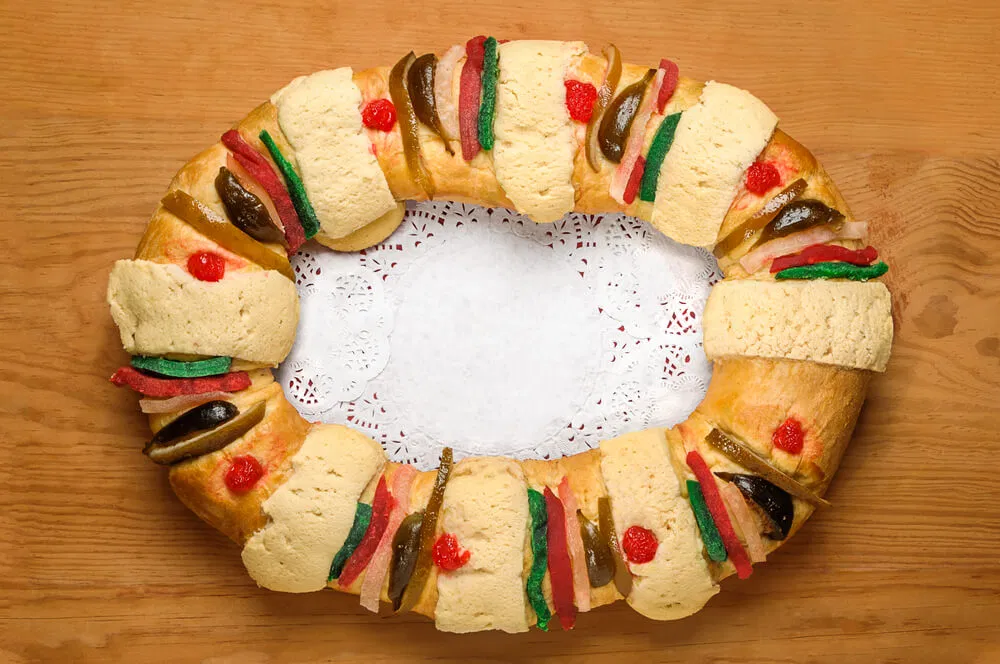
As January 2026 approaches, families across the United States and Latin America are preparing for one of the most cherished holiday traditions: Three Kings Day on January 6. At the heart of the celebration is the Rosca de Reyes, a sweet, oval‑shaped bread decorated with vibrant candied fruit that symbolizes the crowns of the three wise men. While this traditional treat is deeply rooted in culture and faith, many health‑conscious individuals are wondering how to enjoy the festive bread without compromising their wellness goals. The good news is that a new wave of healthier recipes—from whole‑wheat versions to fully vegan adaptations—is making it possible to savor the tradition while keeping nutrition in mind.
What Makes Rosca de Reyes a Beloved Tradition?
Rosca de Reyes, or Three Kings Bread, is more than just a seasonal pastry. It’s a cultural touchstone that brings families and communities together on Día de los Reyes, the day that commemorates the arrival of the three wise men in Bethlehem. The bread’s oval shape represents a crown, and the candied fruits sprinkled on top are meant to mimic jewels. Hidden inside the dough is a small figurine of baby Jesus; according to tradition, whoever finds the figurine in their slice is tasked with hosting the next holiday gathering on Candlemas (February 2) and providing tamales for the party.
“Rosca de Reyes is a sweet Holiday bread eaten all over the Spanish speaking world at Christmastime, especially at breakfast on January 6th, the Day of the Three Kings,” explains Chef Naxielly Dominguez in the Cook for Your Life recipe. The celebration extends beyond the bread itself: children often leave their shoes out the night before for the wise men to fill with small gifts, and some families set out grass and water for the camels that carried the kings. In cities from New York to Madrid, parades and community events mark the day, making it a vibrant, multi‑generational tradition.
The Numbers Behind the Sweet Bread: A Calorie and Nutrient Analysis
Before diving into healthier alternatives, it’s helpful to understand the nutritional profile of a traditional Rosca de Reyes. According to data from Eat This Much, a 50‑gram serving of a commercial brand like Bimbo contains about 190 calories, 31 g of carbohydrates, 7 g of fat, and 14 g of sugar. That’s roughly equivalent to a medium‑sized cookie or a small slice of cake. While these numbers aren’t alarming for an occasional treat, regularly consuming high‑sugar, refined‑flour baked goods can conflict with fitness and weight‑management goals.
Fortunately, several recipe developers have reimagined the classic bread with better nutrition in mind. The whole‑wheat version from Cook for Your Life, for example, provides 411 calories per serving but also delivers 4 g of fiber and 9 g of protein—thanks to the use of whole‑wheat flour, eggs, and a modest amount of butter. Meanwhile, the vegan recipe from Mexican Made Meatless clocks in at about 519 calories per serving but cuts out all dairy and eggs, relying on aquafaba (chickpea brine) and plant‑based butter. Each adaptation offers a different nutritional advantage, whether it’s more fiber, less saturated fat, or allergen‑free ingredients.
From Whole Wheat to Vegan: Modern Twists on a Classic Recipe
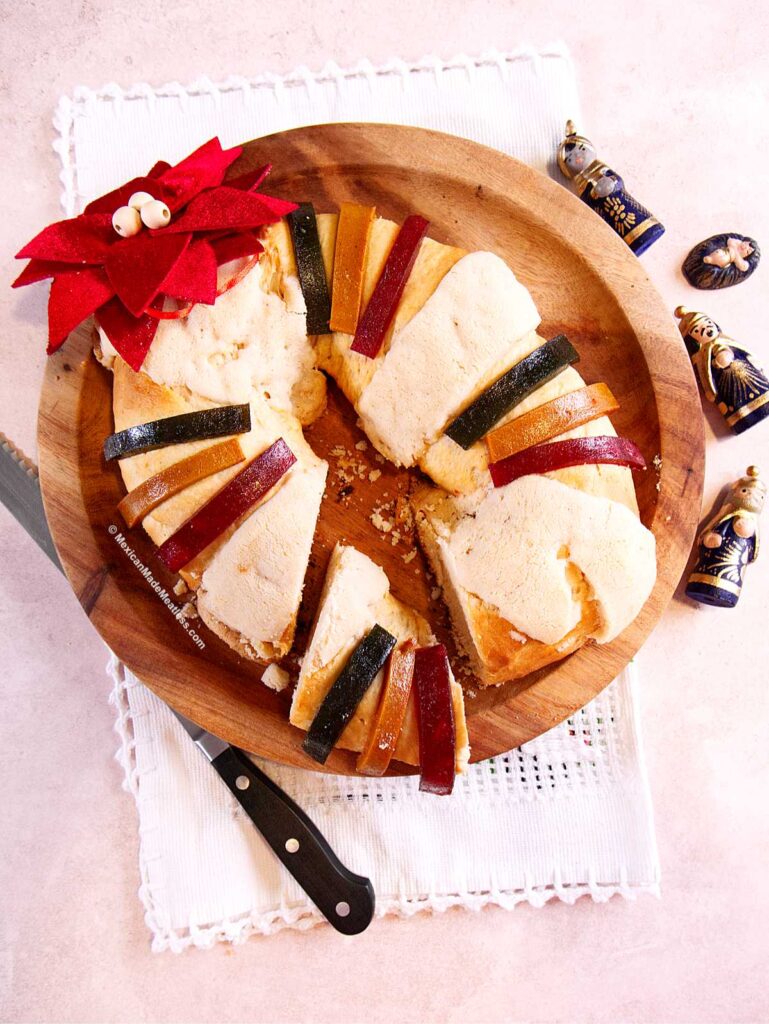
“Typically, rosca de reyes is made with butter, cow’s milk and eggs. As many of us transition to a plant‑based lifestyle, we still seek the comforts of a delicious slice, a taste of home and to participate in our nostalgic holiday traditions,” says Andrea Aliseda, creator of the Food Network’s vegan Rosca de Reyes. Her recipe swaps in oat milk, vegan butter, and applesauce to create a dough that’s just as tender and fragrant as the original. Similarly, Nancy Lopez of Mexican Made Meatless emphasizes that her vegan version is “still soft, has the sweet toppings, and that delicious citrus aroma.”
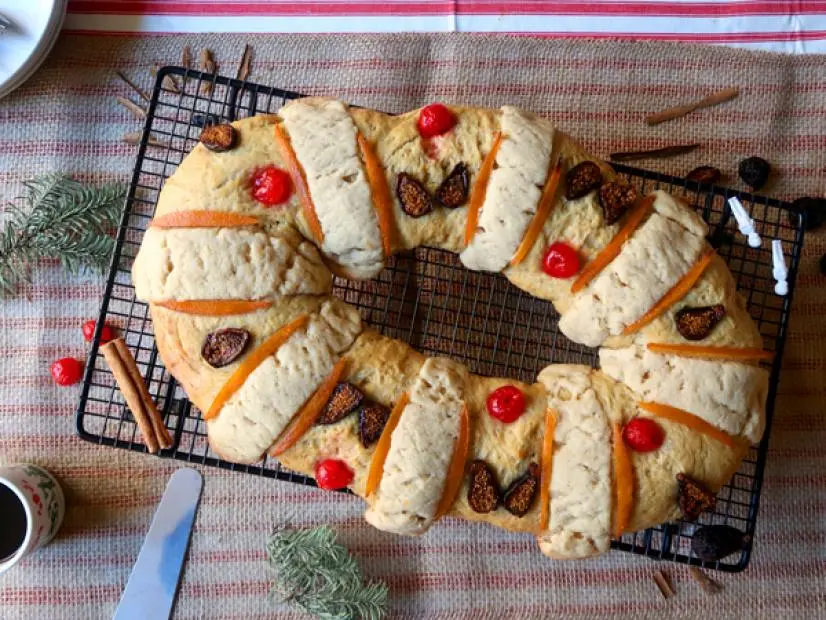
For those not avoiding animal products but looking to boost fiber, the whole‑wheat recipe from Cook for Your Life uses a 50/50 blend of whole‑wheat and all‑purpose flour, along with orange zest and orange‑blossom water for a bright, citrusy note. Chef Dominguez even suggests replacing the traditional ceramic baby figurines with pieces of dark chocolate—a clever tweak that reduces the risk of a dental mishap and adds a hint of antioxidant‑rich cocoa. These innovative approaches prove that tradition and nutrition can go hand in hand.
How to Enjoy Rosca de Reyes Without Derailing Your Fitness Goals
Enjoying a slice of Rosca de Reyes doesn’t have to mean abandoning your health resolutions. With a few mindful strategies, you can partake in the tradition while staying on track. First, consider portion size: instead of cutting a huge wedge, opt for a thinner slice and savor it slowly. Pair the bread with a source of protein or healthy fat—such as a handful of nuts, a cup of Greek yogurt, or a smear of almond butter—to help stabilize blood sugar and keep you fuller longer.
Second, think about what you’re drinking alongside the bread. Traditional accompaniments like Mexican hot chocolate or champurrado are delicious but can add significant sugar and calories. Try swapping them for a cup of unsweetened coffee, tea, or a warm spiced latte made with unsweetened almond milk. Finally, if you’re hosting or attending a Three Kings Day gathering, balance your plate with plenty of fresh fruit, vegetable crudités, and lean proteins so the Rosca de Reyes is one element of the feast, not the centerpiece.
Step‑by‑Step Guide to a Nutrient‑Dense Rosca de Reyes
Inspired to make your own healthier version? Here’s a simplified blueprint that draws on the best practices from the recipes we’ve examined:
- Choose your flour: Use half whole‑wheat and half all‑purpose flour for a fiber boost without sacrificing tenderness.
- Pick a fat wisely: Opt for unsalted butter or a plant‑based alternative like avocado‑oil spread. If using vegan butter, make sure it’s labeled for baking.
- Sweeten with care: Reduce the granulated sugar by 25 % and add a teaspoon of vanilla or almond extract for extra flavor.
- Incorporate citrus zest: Orange or lemon zest provides aroma and brightness without added calories.
- Consider a protein boost: Stir a tablespoon of ground flaxseed or chia seeds into the dry ingredients for an omega‑3 and fiber boost.
- Decorate smartly: Use naturally colorful dried fruit (apricots, cranberries) instead of candied fruit to cut down on added sugar.
- Mind the figurine: If you hide a baby Jesus figurine, remind guests to chew carefully, or use a piece of dark chocolate as a safer alternative.
Allow the dough to rise in a warm, draft‑free spot until doubled in size—this ensures a light, airy texture. Bake until golden brown, and let the bread cool completely before slicing. The result will be a Rosca de Reyes that honors tradition while supporting your wellness journey.
Embracing Cultural Foods While Prioritizing Wellness
Food is more than fuel; it’s a connection to heritage, family, and celebration. Rosca de Reyes is a perfect example of a dish that carries profound cultural meaning, and skipping it altogether in the name of health can feel like missing out on an important piece of identity. The key is to find a balance that works for you—whether that means trying a whole‑wheat or vegan recipe, enjoying a smaller portion, or simply savoring the traditional version once a year without guilt.
As we move into 2026, the conversation around holiday eating is shifting from restriction to mindful inclusion. By understanding the nutrition behind traditional foods and exploring modern, health‑conscious adaptations, we can honor our cultures while also honoring our bodies. This Three Kings Day, consider experimenting with one of the healthier Rosca de Reyes recipes, or simply enjoy a slice of the classic bread with presence and gratitude. After all, the true spirit of the holiday is about community, joy, and sharing—and that’s something no nutrition label can measure.