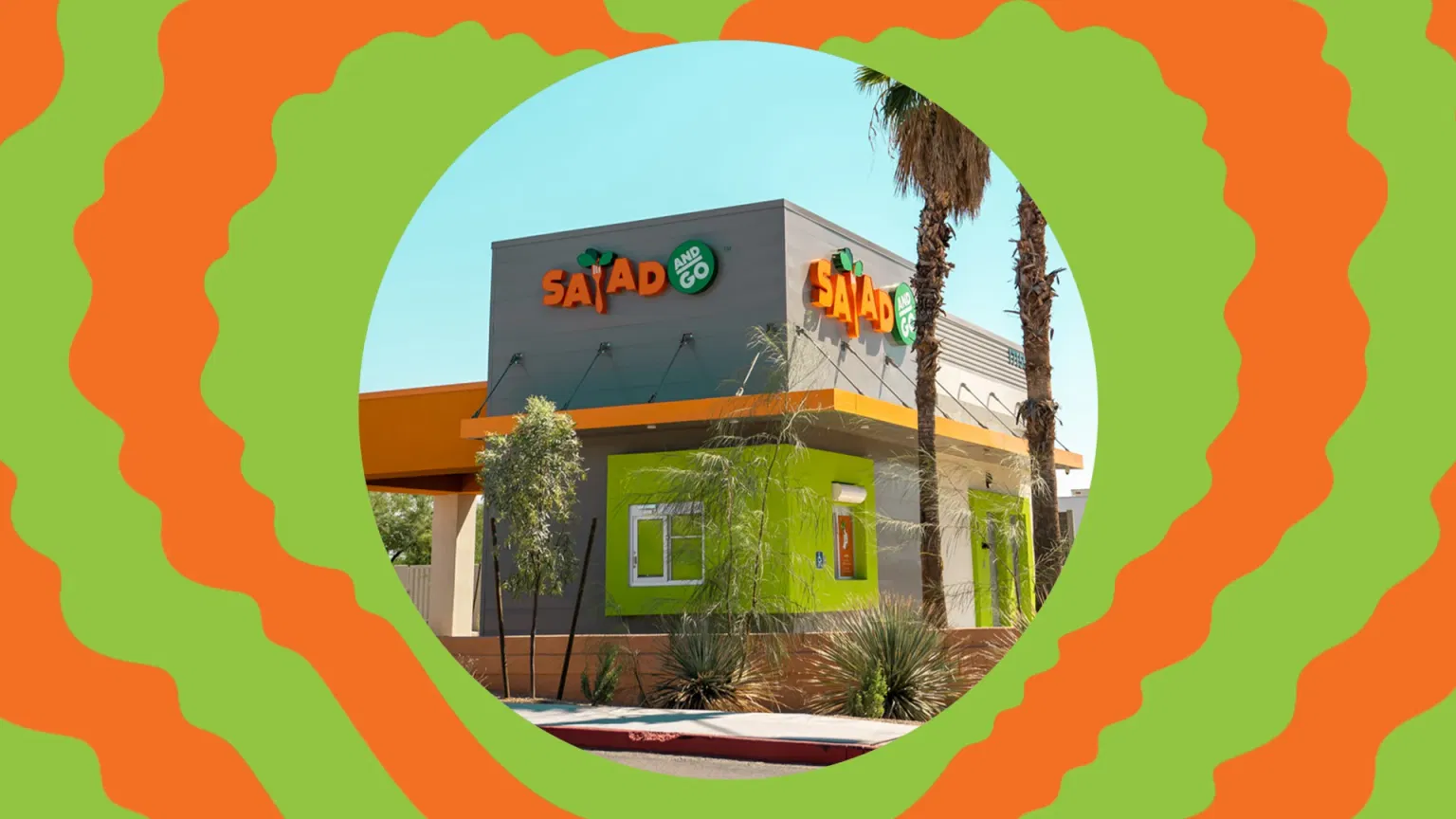
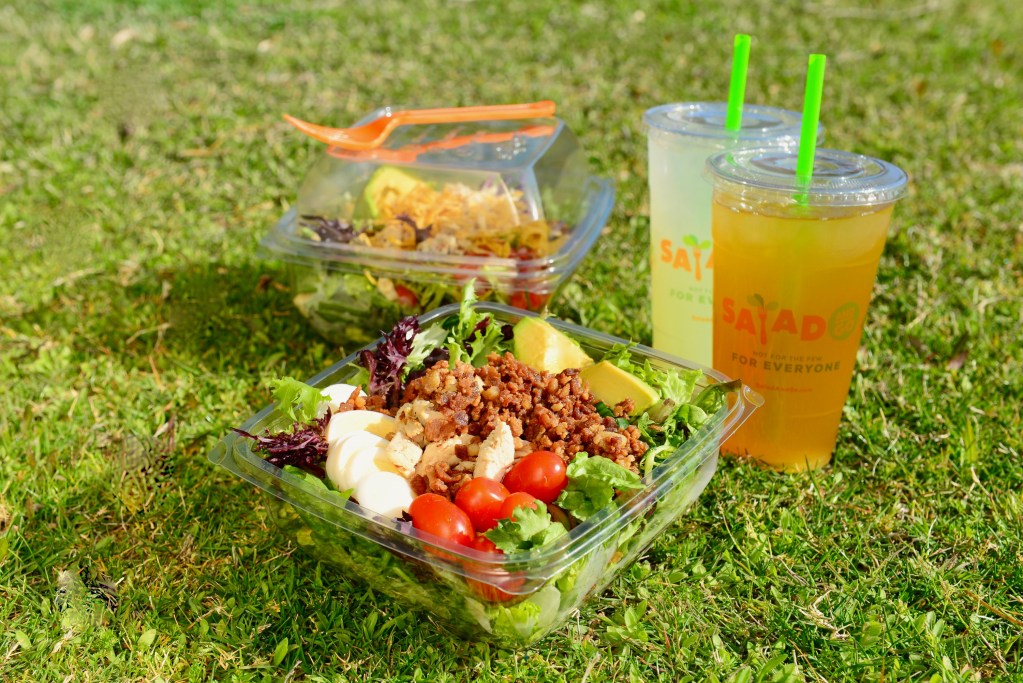
Salad and Go, the drive-thru salad chain that promised affordable healthy fast food, is closing all of its Texas and Oklahoma locations this week in a dramatic retreat from markets it aggressively expanded into just years ago. The company announced it will shutter 32 restaurants—25 in Texas and seven in Oklahoma—and move its headquarters from Coppell, Texas back to Phoenix, Arizona, marking the end of an ambitious expansion that ultimately proved unsustainable. For health-conscious consumers who relied on the chain's $6-7 salads and wraps, the closures represent a significant loss of accessible nutritious options in a fast-food landscape dominated by burgers and fries.
The Scale of the Closures: 32 Stores Shuttering This Week
According to company statements and reports from multiple news outlets, Salad and Go will close a total of 32 locations by January 11, 2026. This includes 25 stores across Texas and seven in Oklahoma, affecting approximately 600 employees. The closures come just months after the chain shut down 41 locations in September 2025, meaning Salad and Go has now eliminated nearly half of its total footprint in less than six months. Before the September closures, the chain operated 146 locations across four states; after this week's shutdowns, only 70 stores will remain—all in Arizona and Nevada.
The move represents a complete exit from Texas and Oklahoma, markets where Salad and Go had invested heavily in infrastructure, including a large central kitchen facility in Dallas. CEO Mike Tattersfield told the Phoenix Business Journal that the economic burden of this expansion, combined with a flawed business plan, forced the company to retrench. "We were so focused on expanding out in Texas and other areas that we neglected Arizona," Tattersfield admitted.
From Arizona Expansion to Texas Retreat: A Timeline of Salad and Go
To understand how Salad and Go arrived at this point, it's helpful to look at the chain's rapid rise and sudden contraction. Founded in 2013 in Gilbert, Arizona, by Tony Christofellis, the concept was simple: make freshly prepared salads as affordable and convenient as traditional fast food. The chain operated primarily through small, drive-thru-only locations supplied by central kitchens, keeping costs low and efficiency high.
In 2021, private equity firm Volt Investment Holdings acquired Salad and Go and moved its headquarters to Texas, hiring former Wingstop CEO Charlie Morrison to lead an aggressive expansion. Under Morrison's leadership, the chain grew rapidly throughout Texas and Oklahoma, with North Texas becoming one of its most important markets. However, Morrison left the company in 2024 amid disagreements with the board over strategy, and a CBS News investigation later that year alleged that some Texas locations were serving undercooked chicken.
In April 2025, Mike Tattersfield—former president and CEO of Krispy Kreme—took over as CEO and minority investor. By September 2025, the chain closed 41 stores, and now, just four months later, it's closing the remaining 32 Texas and Oklahoma locations to focus exclusively on its home markets of Arizona and Nevada.
Why Salad and Go's Business Model Struggled in Competitive Markets
Several factors contributed to Salad and Go's retreat. Industry analysts point to rising labor costs, supply chain pressures, and increased competition in the fast-casual segment. The chain's ultra-low price point—while attractive to consumers—may have made it difficult to maintain profitability, especially with the overhead of a large central kitchen in Dallas. Additionally, the concept faced the perennial challenge of convincing fast-food customers to choose salads over burgers and fries.
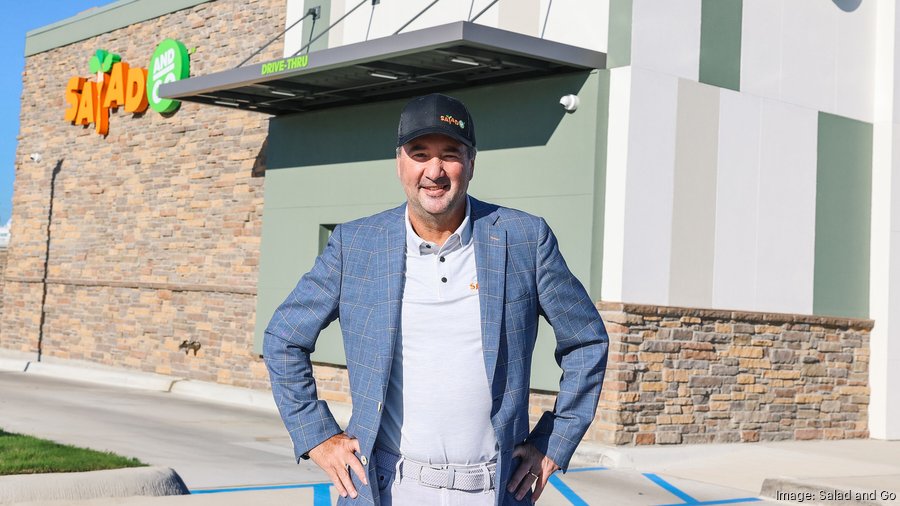
"The problem with salads is that there's only so much demand," noted a Restaurant Business analysis. While Salad and Go's drive-thru format offered convenience, it couldn't overcome the economic realities of operating in highly competitive markets with thin margins. Tattersfield acknowledged that the expansion strategy was flawed, telling the Business Journal, "We made the decision to exit our Texas and Oklahoma markets and refocus on strengthening our core operations in Arizona and Nevada."
Despite these challenges, Salad and Go had demonstrated strong sales growth—24% to nearly $256 million in 2024—suggesting there was consumer appetite for affordable healthy options. However, unit economics and operational complexities ultimately proved too difficult to sustain at scale.
Where Salad and Go Stands Now: A Focus on Core Markets
Following the closures, Salad and Go will operate just 70 locations, all in Arizona and Nevada. The company is moving its corporate team back to a former office in Phoenix that can accommodate about 25 people, with plans to eventually open a larger headquarters in the area. Tattersfield emphasized that no locations in Arizona or Nevada are closing, and the chain will "continue to serve our passionate fans as we have for over a decade and invest more deeply in our home market."
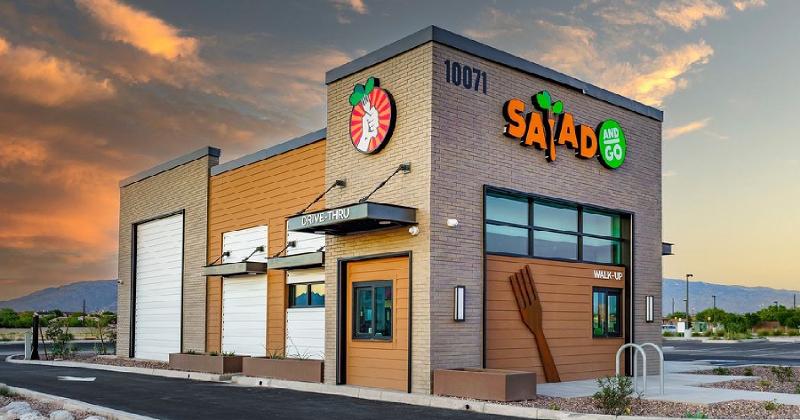
The consolidation allows Salad and Go to operate with a single central kitchen supporting its remaining stores, potentially improving efficiency and food quality control. Tattersfield stated that the refocus will enable the company to concentrate on "food quality, menu innovation, guest experience and building for long-term growth." For now, customers in Arizona and Nevada can continue to access the chain's affordable salads, wraps, breakfast items, and cold brew coffee through its distinctive drive-thru model.
What the Future Holds for Affordable Healthy Fast Food
Salad and Go's struggles reflect broader challenges in the healthy fast-casual sector. Chains like Sweetgreen have also faced profitability issues, suggesting that consumer demand for premium salads may be limited. However, the closure of Salad and Go's Texas and Oklahoma locations leaves a gap in the market for affordable, convenient healthy options. This presents an opportunity for other concepts or for Salad and Go to eventually return with a refined strategy.
Tattersfield remains optimistic about the brand's future, saying, "This strategic focus positions us to strengthen our brand and ultimately grow again when the time is right." Whether that growth will extend beyond Arizona and Nevada remains to be seen, but the company's experience serves as a cautionary tale about the difficulties of scaling a health-focused concept in competitive fast-food markets.
Key Takeaways for Health-Conscious Consumers
For individuals committed to maintaining a healthy diet while eating on the go, Salad and Go's closures underscore the importance of having multiple options for nutritious meals. While the loss of affordable salad drive-thrus is disappointing, consumers can explore alternatives such as grocery store salad bars, meal prep services, or other fast-casual chains that offer healthier menu items. The episode also highlights the delicate balance between affordability, convenience, and nutrition—a balance that even well-intentioned brands sometimes struggle to maintain.
As the restaurant industry continues to evolve, health-conscious consumers should stay informed about local dining options and be prepared to adapt their habits. Salad and Go's story is a reminder that accessibility to healthy food can change rapidly, making it essential to have backup plans for maintaining nutritional goals.