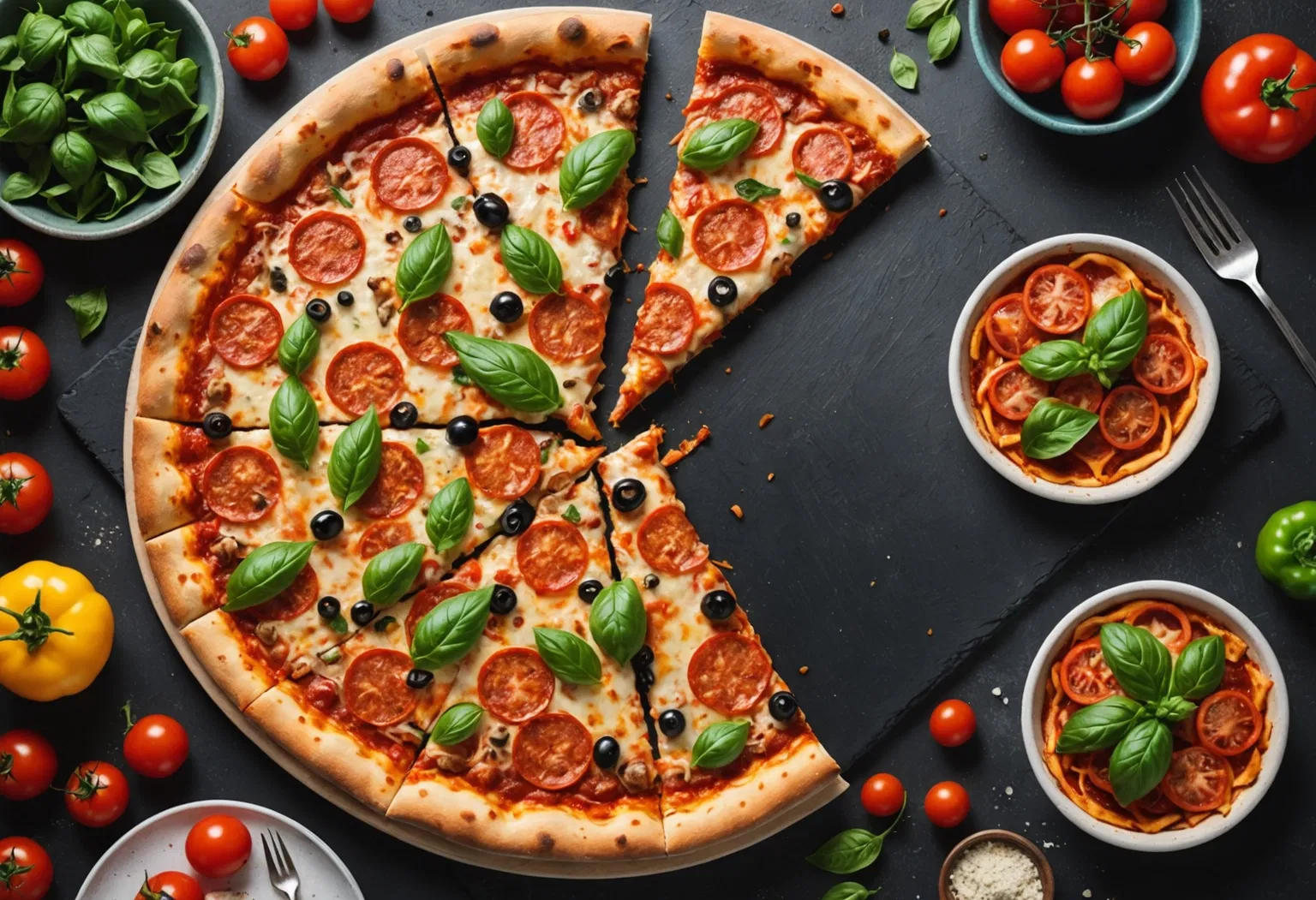
For years, pizza has been labeled as a guilty pleasure, a junk food to be avoided by anyone serious about fitness and healthy eating. But new research is turning that notion on its head, revealing that pizza might not be the dietary villain we once thought. In fact, a recent study from Tufts University suggests that pizza and other forms of plant protein may actually promote healthy aging, challenging everything we thought we knew about this beloved dish. As fitness enthusiasts and health-conscious individuals, this news opens up exciting possibilities for enjoying pizza without derailing our goals.
How Pizza Became a Surprising Health Food
The transformation of pizza's reputation from junk food to potential health food is one of the most surprising developments in nutrition science. According to research published in early 2024, pizza contains valuable plant proteins that may contribute to healthy aging when consumed as part of a balanced diet. This finding aligns with other studies, including Italian research that found regular pizza consumption was associated with decreased arthritis symptoms in some participants. What's particularly interesting is how the body responds to pizza: a 2020 study published in Science Daily revealed that when participants ate pizza well beyond feeling full, their blood sugar levels remained surprisingly stable—no higher than after a normal meal.
Timeline: From Indulgence to Health-Conscious Option
The evolution of pizza from pure indulgence to health-conscious option has been gradual but significant. For decades, pizza was primarily considered fast food—delicious but nutritionally questionable. The turning point came as consumer preferences began shifting toward healthier options. According to Datassential's 2024 pizza trends report, 51% of consumers now want pizza made with healthful ingredients while still considering it an indulgent meal. This dual demand has driven innovation across the industry. By 2024, the landscape had transformed dramatically, with Forbes reporting that pizza makers were embracing dietary diversity like never before, catering to gluten-free, high-protein, and specialized diet preferences.
Why Pizza Matters for Fitness Enthusiasts
For those focused on fitness and health, the new understanding of pizza presents both opportunities and challenges. The key revelation is that pizza can fit into a balanced diet, even for those trying to lose weight. As Lose It explains in their 2024 guide, pizza doesn't need to be avoided entirely—it just needs to be approached strategically. The nutritional composition of pizza actually offers some advantages: the combination of carbohydrates (crust), protein (cheese and toppings), and fats can provide sustained energy for workouts. Plus, when loaded with vegetables, pizza delivers essential vitamins, minerals, and fiber that support overall health and recovery.
Experts point to several factors that make pizza more fitness-friendly than previously thought. The protein content from cheese and meat toppings supports muscle repair and growth, while the carbohydrates provide readily available energy. When made with whole grain crusts, pizza becomes a source of complex carbohydrates that digest slowly, preventing blood sugar spikes. Perhaps most importantly, the psychological benefit of enjoying foods you love cannot be underestimated—allowing yourself occasional pizza can prevent feelings of deprivation that often lead to binge eating.
Latest Developments in Healthy Pizza Options
The current pizza landscape offers more healthy options than ever before. Muscle & Fitness recently highlighted nine dietitian-approved frozen pizzas for 2024, featuring organic ingredients, high protein content, and gluten-free alternatives. These products represent a growing trend toward better-for-you convenience foods that don't sacrifice flavor. Meanwhile, fitness-focused blogs like Iron Bombshell Fitness have created comprehensive guides to healthy pizza alternatives, showcasing innovative crusts made from chicken breast, cauliflower, and other high-protein ingredients.
Restaurants and pizzerias have also responded to the health-conscious trend. Many now offer whole wheat, gluten-free, and cauliflower crust options alongside an array of vegetable toppings and lean protein choices. Some establishments have even developed nutritionally balanced pizzas specifically designed to meet dietary guidelines, with controlled portions of carbohydrates, proteins, and fats. This shift means that whether you're dining out or ordering in, you're likely to find options that align with your fitness goals.
Practical Tips for Incorporating Pizza into Your Fitness Routine
So how can fitness enthusiasts actually enjoy pizza while maintaining their health goals? Nutrition experts recommend several strategies. First, focus on portion control—enjoy a slice or two alongside a large salad rather than making pizza the entire meal. Second, customize your order: opt for thin crust to reduce calories and carbohydrates, choose vegetable-heavy toppings, and consider reducing the amount of cheese or selecting part-skim options. Third, consider timing: having pizza after a workout can help with recovery by replenishing glycogen stores and providing protein for muscle repair.
For those who prefer homemade pizza, the opportunities for health optimization are even greater. Start with a whole wheat or cauliflower crust, use a moderate amount of reduced-fat cheese, and load up with vegetables like spinach, bell peppers, mushrooms, and onions. Adding lean proteins like grilled chicken or turkey pepperoni can boost the protein content without excessive saturated fat. These simple modifications can transform pizza from a nutritional liability into a balanced meal that supports your fitness journey.
The Future of Pizza in Healthy Eating
Looking ahead, the trend toward healthier pizza options shows no signs of slowing. Food scientists continue to develop innovative crusts and toppings that enhance nutritional value without compromising taste. We can expect to see more plant-based cheese alternatives with improved texture and flavor, along with crusts made from legumes and other protein-rich ingredients. The growing interest in personalized nutrition may even lead to pizza customization based on individual dietary needs and fitness goals.
Perhaps the most significant shift will be in our perception of pizza itself. As research continues to reveal its potential benefits and as healthier options become more accessible, pizza may shed its junk food reputation entirely. Instead, it could be recognized as a versatile dish that can be adapted to support various health and fitness objectives—from weight management to athletic performance.
The Bottom Line: Enjoying Pizza Responsibly
The latest research and industry trends deliver a clear message: pizza doesn't have to be your fitness enemy. When chosen wisely and consumed in moderation, pizza can actually contribute to a balanced, healthy diet. The key is to focus on quality ingredients, reasonable portions, and nutritional balance. Whether you opt for a dietitian-approved frozen pizza, customize your takeout order, or create a healthy homemade version, you can enjoy this beloved food while staying true to your fitness goals. Remember that sustainable healthy eating includes room for foods you love—and pizza, it turns out, might just deserve a place at your table after all.