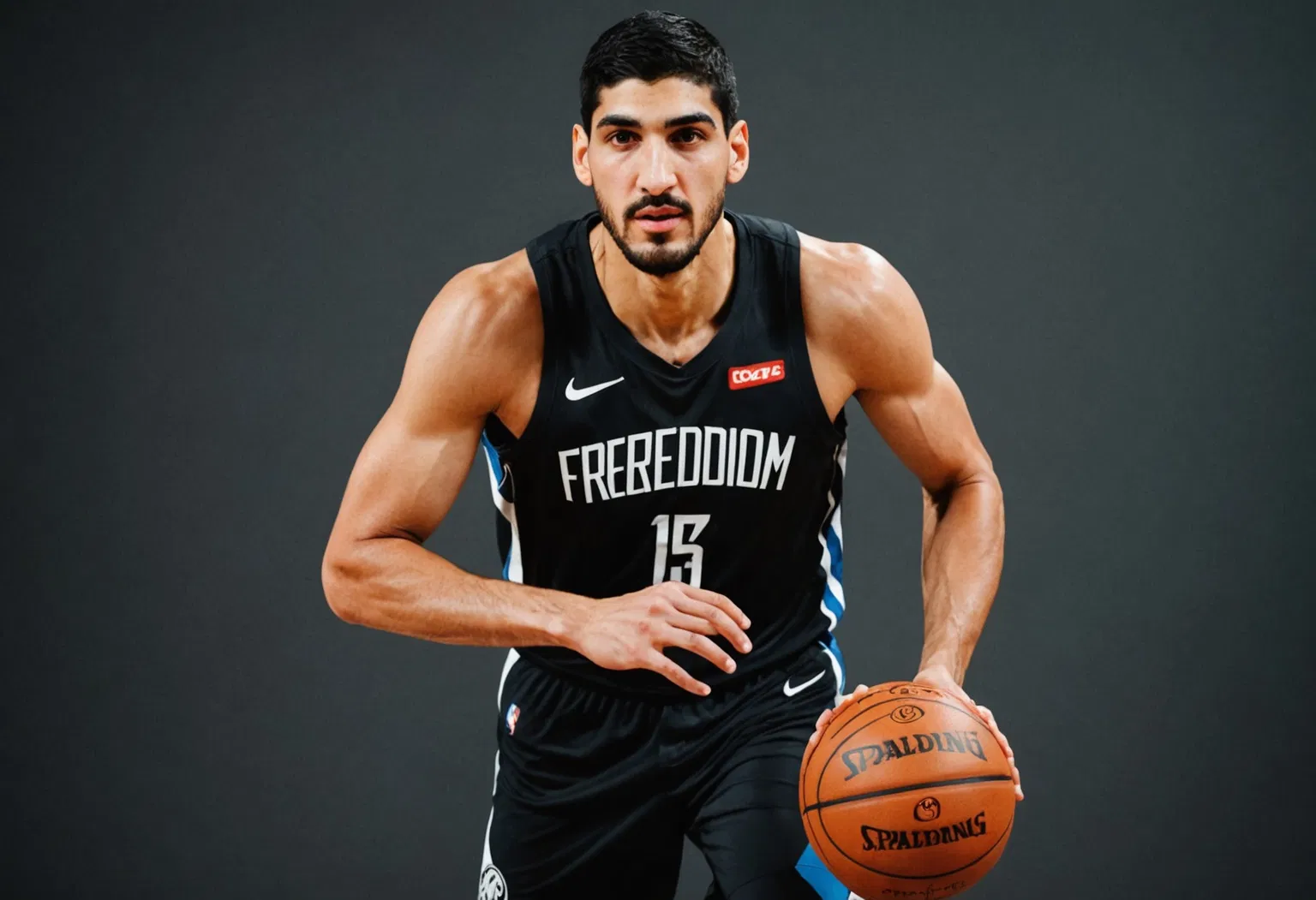
When you watch an NBA game, it's easy to get lost in the highlight-reel dunks, the buzzer-beaters, and the athleticism on display. But what you don't see is the thousands of hours of training, the carefully calibrated nutrition plans, and the recovery protocols that make that level of performance possible. Few players embody the physical demands of professional basketball quite like Enes Kanter Freedom — a 6'10", 250-pound center who battled in the paint for over a decade against the most athletic humans on the planet.
Kanter Freedom's NBA journey took him from the Utah Jazz to the Oklahoma City Thunder, New York Knicks, Portland Trail Blazers, and eventually the Boston Celtics. At each stop, he brought a bruising, physical style of play that required immense strength, endurance, and durability. For fitness enthusiasts looking to elevate their own training, the conditioning principles that NBA players follow offer a masterclass in human performance.
Whether you're an aspiring athlete or simply someone who wants to improve their daily fitness routine, understanding how professionals train, eat, and recover can transform your approach to health. Let's break down the key elements that keep NBA players performing at an elite level — and how you can apply them starting today.
The Physical Reality of Playing Center in the NBA
To understand the fitness demands placed on an NBA center like Kanter Freedom, you first need to appreciate what the position requires. Centers are the anchors of both offense and defense — they battle for rebounds against 250-pound opponents, set bone-crushing screens, defend the rim against explosive athletes, and run the floor for 82 regular-season games plus playoffs.
During a typical NBA game, a starting center can burn anywhere from 3,500 to 5,000 calories. The constant physical contact in the post, the explosive jumping for rebounds, and the sprinting up and down a 94-foot court demand a unique combination of strength, power, and cardiovascular endurance. This is why NBA training programs are meticulously designed to build functional strength without sacrificing mobility or conditioning.
For the average person, understanding this baseline helps contextualize just how fit these athletes truly are. An NBA center doesn't just lift heavy weights — they combine strength work with agility drills, plyometrics, and sport-specific conditioning that keeps them explosive through four quarters of high-intensity play. The good news is that many of these training principles scale down effectively for everyday fitness.
Strength Training: Building Functional Power Without Bulking Up
One of the biggest misconceptions about NBA players is that they spend all their time in the weight room trying to get as big as possible. In reality, basketball strength training is highly functional. The goal isn't just size — it's power output, core stability, injury prevention, and maintaining mobility through a full range of motion.
NBA strength programs typically follow a periodized approach. During the off-season, players focus on building foundational strength with compound lifts like deadlifts, squats, bench presses, and rows. As the season approaches, the emphasis shifts to power development through explosive movements like box jumps, medicine ball throws, and Olympic lifting variations. During the season, the focus narrows to maintenance — enough stimulus to preserve strength without creating fatigue that could impact game performance.
What can you take from this? First, compound movements should form the foundation of any strength program. Exercises that work multiple muscle groups simultaneously — think squats, deadlifts, pull-ups, and push-ups — deliver the most bang for your buck. Second, don't neglect power training. Adding plyometric exercises like jump squats or box jumps once or twice a week can improve your explosive strength and athleticism regardless of your starting point. Finally, prioritize mobility. NBA players spend significant time on dynamic stretching and mobility work to keep their joints healthy — something desk-bound fitness enthusiasts desperately need.
Conditioning: Why Steady-State Cardio Isn't the Answer
If you think NBA players stay in shape by jogging miles on a treadmill, think again. Basketball is a sport of repeated high-intensity bursts — sprinting down the court, jumping for a rebound, fighting for position, then doing it all over again 30 seconds later. Conditioning for basketball mirrors this pattern through interval-based training.
A typical NBA conditioning session might involve court sprints (also called suicides or 17s), shuttle runs, or bike intervals. The common thread is alternating periods of maximum effort with brief recovery windows. This type of high-intensity interval training (HIIT) has been shown to improve cardiovascular fitness more efficiently than steady-state cardio while also preserving — and sometimes building — muscle mass.
For everyday fitness, this is excellent news. HIIT workouts can be completed in 20-30 minutes and require minimal equipment. Sprint intervals on a track, bike, or rowing machine, bodyweight circuit training with short rest periods, or even hill sprints can replicate the conditioning effect that keeps NBA players running the floor late into the fourth quarter. Aim for 2-3 HIIT sessions per week alongside your strength training for optimal results.
Fueling the Machine: Nutrition Lessons from Pro Basketball
You can't out-train a bad diet — and for NBA players who burn thousands of calories daily, nutrition becomes both a performance tool and a recovery necessity. While exact meal plans vary by player and team, certain principles remain consistent across the league.
NBA team nutritionists emphasize protein intake for muscle repair and recovery, typically recommending 1.6 to 2.2 grams of protein per kilogram of body weight daily. For a 250-pound player, that's roughly 180-250 grams of protein spread across 5-6 meals. Carbohydrates are strategically timed around training and games to fuel performance and replenish glycogen stores, while healthy fats support hormone function and reduce inflammation.
Hydration is equally critical. NBA players can lose 5-10 pounds of water weight during a single game through sweat. Teams monitor hydration status through urine color, body weight changes, and even sweat composition analysis. For the rest of us, the takeaway is clear: drink water consistently throughout the day, not just during workouts, and pay attention to signs of dehydration like dark urine, headaches, or fatigue.
Perhaps the most practical lesson from NBA nutrition is the emphasis on whole, nutrient-dense foods. Processed foods, excessive sugar, and alcohol are minimized because they impair recovery and performance. Building your diet around lean proteins, colorful vegetables, whole grains, and healthy fats — the same framework NBA dietitians use — is a sustainable approach that supports both fitness goals and overall health.
Recovery: The Hidden Edge of Elite Athletes
If there's one area where professional athletes separate themselves from recreational fitness enthusiasts, it's recovery. NBA players have access to cryotherapy chambers, massage therapists, and cutting-edge recovery technology. But the most powerful recovery tools they use are accessible to everyone: sleep, nutrition timing, and active recovery.
Sleep is the foundation of athletic recovery. During deep sleep, the body releases growth hormone, repairs muscle tissue, and consolidates motor learning from practice. NBA players typically aim for 8-10 hours of sleep per night, often supplemented with pre-game naps. For anyone serious about fitness, prioritizing sleep is non-negotiable. Even one night of poor sleep can reduce strength output, impair reaction time, and increase injury risk.
Active recovery — low-intensity movement on rest days — is another lesson worth adopting. Rather than complete inactivity between training sessions, NBA players might swim, cycle lightly, or practice yoga. These activities increase blood flow to sore muscles, reduce stiffness, and accelerate the recovery process without creating additional fatigue. A light 20-30 minute walk, gentle stretching session, or foam rolling routine on your off days can make a noticeable difference in how you feel and perform.
5 Practical Takeaways You Can Apply to Your Fitness Routine
You don't need an NBA contract or a personal training staff to benefit from how professional athletes approach fitness. Here are five actionable strategies you can implement starting today:
Train with purpose using compound movements. Build your workouts around squats, deadlifts, rows, presses, and pull-ups. These exercises deliver maximum strength and muscle-building stimulus in the least amount of time. Aim for 3-4 strength sessions per week with progressive overload — gradually increasing weight, reps, or sets over time.
Replace long cardio sessions with interval training. Two or three 20-minute HIIT sessions per week can improve your conditioning more effectively than hours of steady-state jogging. Try 30 seconds of maximum effort followed by 60-90 seconds of recovery, repeated 8-12 times.
Prioritize protein and whole foods. Aim for 1.6-2.0 grams of protein per kilogram of body weight daily, spread across 3-5 meals. Build each meal around a quality protein source, plenty of vegetables, and a portion of complex carbohydrates. Limit processed foods, added sugars, and alcohol.
Hydrate consistently, not just during workouts. Aim for at least 2-3 liters of water daily, more if you're active or in hot conditions. Monitor your urine color — pale yellow indicates good hydration. Add electrolytes during longer or more intense training sessions.
Make sleep a training priority. Set a consistent bedtime and wake time. Aim for 7-9 hours of quality sleep per night. Create a cool, dark sleep environment and limit screen exposure in the hour before bed. Treat sleep as seriously as you treat your workouts — because it's just as important for your results.
The Bottom Line
Enes Kanter Freedom's NBA career is a testament to what disciplined training, smart nutrition, and proper recovery can achieve. While few of us will ever step onto an NBA court, the principles that power professional athletes are available to anyone willing to apply them. Functional strength training, interval-based conditioning, whole-food nutrition, consistent hydration, and prioritizing recovery aren't secrets — they're the foundation of human performance. Start with one or two changes this week and build from there. Your fitness journey doesn't need to be NBA-level to be transformational.