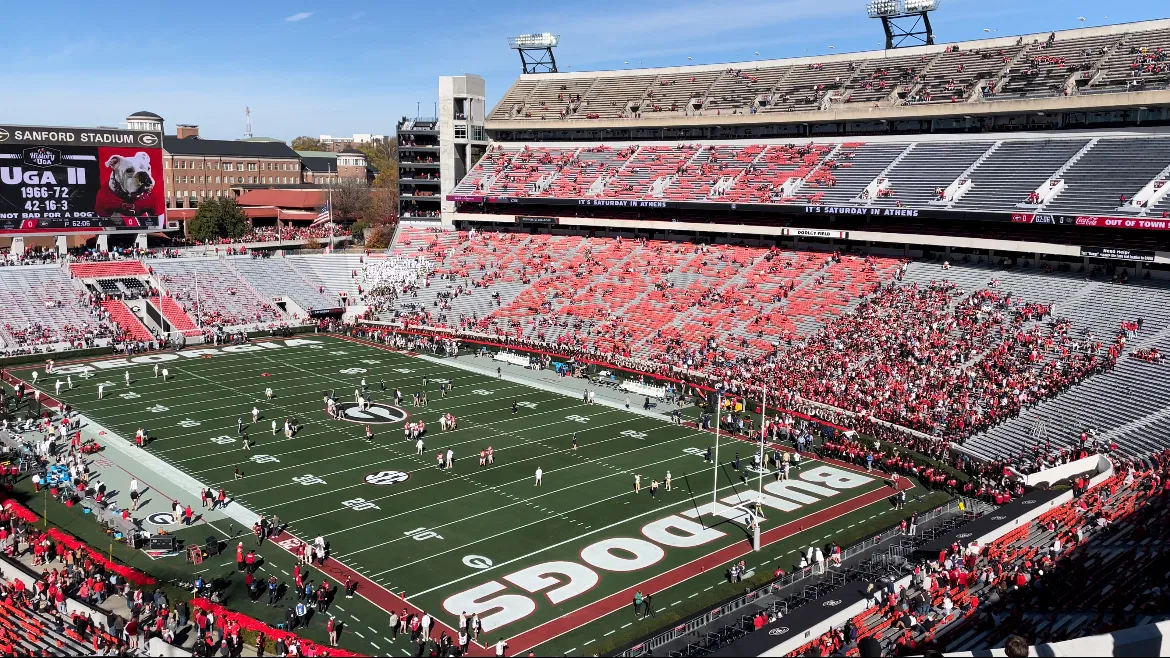
Georgia finally flipped the script in the sport's fiercest modern rivalry on Saturday, December 6, 2025, overpowering Alabama 28-7 in the SEC Championship Game at Mercedes-Benz Stadium in Atlanta. Quarterback Gunner Stockton accounted for all four Bulldog touchdowns, throwing three scoring passes and adding a 14-yard rushing touchdown, while head coach Kirby Smart's defense pitched a second-half shutout to deliver the program another conference crown. The win avenged a 24-21 regular-season loss to the Crimson Tide back in September and gave Georgia the upper hand in a series Alabama had owned for years.
For a fitness-focused audience, the georgia vs alabama result is about far more than a score. It is a window into how two of the most advanced athletic programs in the country build football players from the ground up — through carefully periodized strength and conditioning, speed science, and precision sports nutrition. The physical gap that decided the SEC title game was not created on game day. It was built in the weight room, on the practice field, and at the training table over months of deliberate work.
Here is what the rivalry reveals about elite athletic training — and the practical lessons everyday gym-goers can borrow.
Inside the Training Rooms: How Georgia and Alabama Build Elite Athletes
Both programs have invested heavily in the science of performance. At Alabama, the modernization began in 2020, when the Crimson Tide hired strength coach David Ballou and sports science director Dr. Matt Rhea to retool a historically punishing program. Ballou, who has reportedly bench-pressed 745 pounds, is known for velocity-based training, a method that measures how fast an athlete moves a given load rather than simply how much weight they lift. Rhea, a speed specialist, brought a data-driven approach to sprint mechanics and injury prevention, helping keep players explosive and healthy through a long season.
Georgia has built its own reputation as a strength and conditioning powerhouse under Kirby Smart. Graduate assistants who have worked with the Bulldogs' strength staff describe a culture built on relentless conditioning, including "53s" — a drill where players sprint sideline to sideline across the 53-yard-wide field after practice. The staff, which includes certified strength and conditioning specialists such as Ben Sowders, blends Olympic weightlifting with explosive speed work to produce the physicality that has defined Georgia's dominant defenses.
The shared thread is structure. Neither program leaves training to chance. Workouts are periodized across the offseason, spring ball, and the season itself, with loads managed so athletes peak at the right time. That is why, in the second half of a championship game, one roster is still flying around while the other begins to fade.
From September Heartbreak to December Revenge: The 2025 Timeline
The 2025 Georgia vs Alabama story played out in two acts. On September 27, Alabama stunned then-No. 5 Georgia 24-21 in Athens, as quarterback Ty Simpson threw for 276 yards and two touchdowns and ran for another score, and the 17th-ranked Crimson Tide held on late. The loss left Georgia facing questions about whether it could match Alabama's speed and physicality.
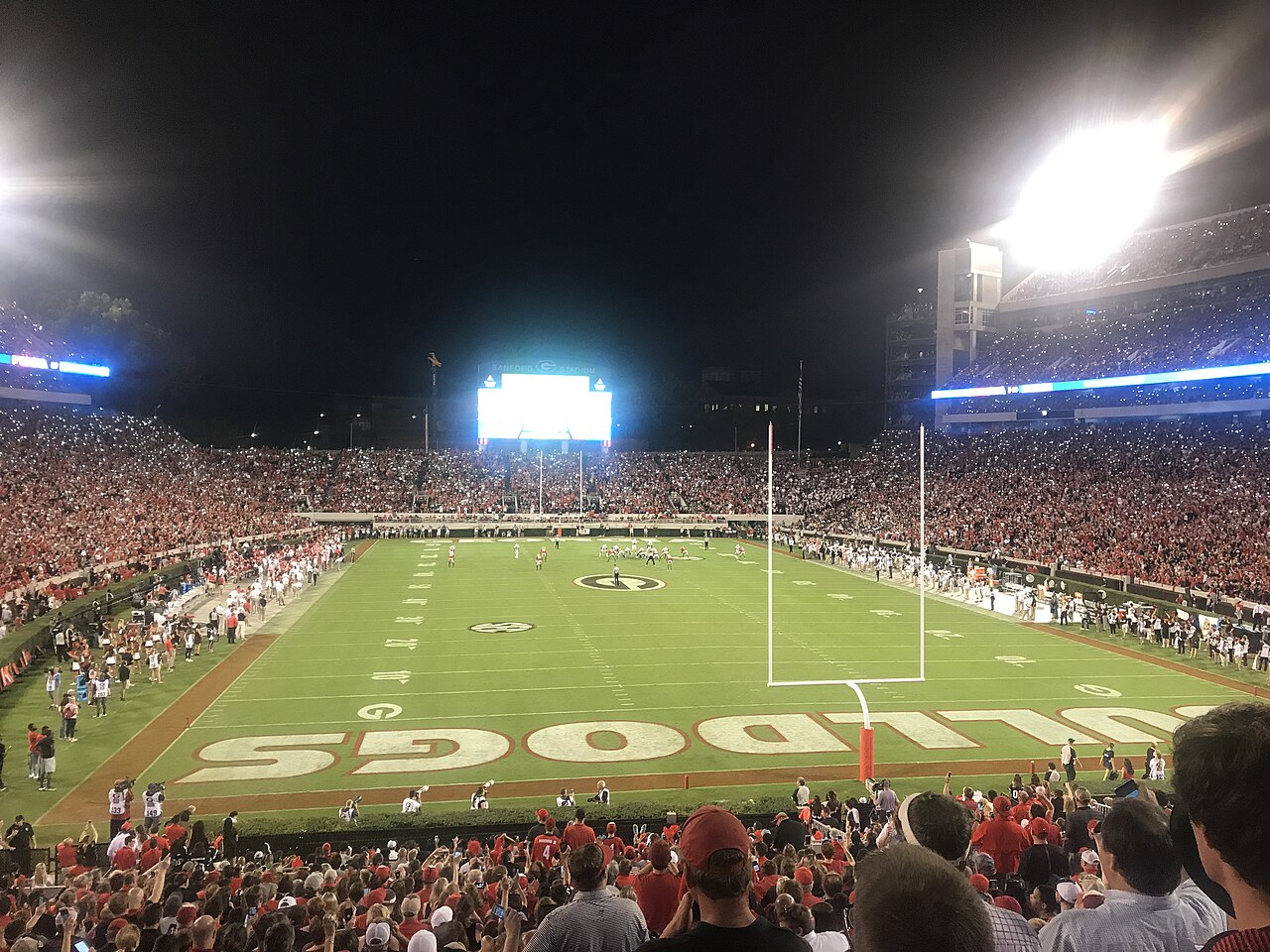
Over the next ten weeks, both teams regrouped and earned their way back to Atlanta. When they met again on December 6 with the SEC title on the line, the roles reversed. Georgia struck early on a Roderick Robinson II touchdown catch, and Stockton took over from there, completing 20 passes for 156 yards and three touchdowns through the air while adding a 14-yard rushing score out of halftime. Georgia's defense, the strength of the program all season, held Alabama to a single score and blanked the Tide after the break.
The 28-7 result was not just revenge — it was a reminder that in elite football, the most conditioned, best-fueled team usually wins the second half.
The Fuel Behind the Feud: What Elite Football Athletes Actually Eat
None of that fourth-quarter dominance happens without the right fuel. Sports dietitians who work with football teams describe enormous but precisely structured diets. According to recent reporting from Stadium Performance Nutrition, offensive and defensive linemen routinely consume 4,500 to 7,000 calories per day, while linebackers and tight ends land around 4,000 calories — enough to fuel several average adults.
The macronutrient blueprint is remarkably consistent across programs. The Training & Conditioning guide "Fueling for Football" recommends that 55 to 60 percent of a football player's daily calories come from carbohydrates, roughly 15 percent from protein, and about 30 percent from fat. The GSSI's "Nutrition for Football Teams" adds that the strategy must be individualized — matching carbohydrate intake to a player's position, practice load, and game schedule, then layering in protein for recovery and timing fuel around workouts and kickoff.
In practice, that means a wide receiver targets roughly 4 to 6 grams of carbohydrates per kilogram of body weight each day and 1.6 to 2.2 grams of protein per kilogram, spread across meals and snacks. A 200-pound skill player might eat 3,500 to 4,500 calories daily, while a 320-pound lineman could need 6,000 or more during the grind of training camp.
The lesson for everyday fitness enthusiasts is not to eat 7,000 calories. It is to adopt the principles: prioritize carbohydrates around training for energy, spread protein throughout the day to support muscle repair, and time meals and recovery fuel intentionally instead of winging it. Georgia and Alabama athletes are not simply "eating big" — they are eating with a plan as deliberate as their lifting schedule.
Where the Rivalry Stands After the SEC Title Game
With the SEC Championship secured, No. 3 Georgia positioned itself as one of the favorites heading into the College Football Playoff, while Alabama's second loss of the season pushed the Crimson Tide toward the edge of the postseason picture. Kirby Smart, long criticized for his record against Alabama, used the moment to fire back at doubters, telling reporters after the win that there had been "a lot of naysayers" questioning his program — a pointed message delivered with a trophy in hand.
Alabama head coach Kalen DeBoer, now winless against Georgia in two meetings, faces the task of closing the physical gap that showed up most clearly in the second half, when the Tide's offense stalled against a fresher, faster Georgia front.
What Happens Next — and What You Can Steal From Their Playbook
Georgia now turns its attention to a national championship run, where the same conditioning and nutrition principles that carried it through Atlanta will be tested against the nation's best. For everyone else, the lessons are simpler and immediately useful. Train with intention and progression rather than random workouts. Prioritize protein and carbohydrates around exercise. Treat recovery — sleep, hydration, and refueling — as part of the plan, not an afterthought. And remember that the "fourth-quarter" advantage in any pursuit, whether a football game or a fitness goal, is usually earned weeks earlier through consistency.
The Bottom Line: Key Takeaways
- Georgia beat Alabama 28-7 on December 6, 2025, to win the SEC Championship, avenging a 24-21 September loss.
- Quarterback Gunner Stockton accounted for four touchdowns, and Georgia's defense shut out Alabama in the second half.
- Both programs lean on science-driven strength and conditioning — velocity-based lifting at Alabama and relentless conditioning like Georgia's "53s."
- Elite football diets run 4,000 to 7,000 daily calories, built around 55-60% carbohydrates, roughly 15% protein, and about 30% fat.
- The transferable lesson: train with a plan, fuel with a plan, and let consistency win the second half.