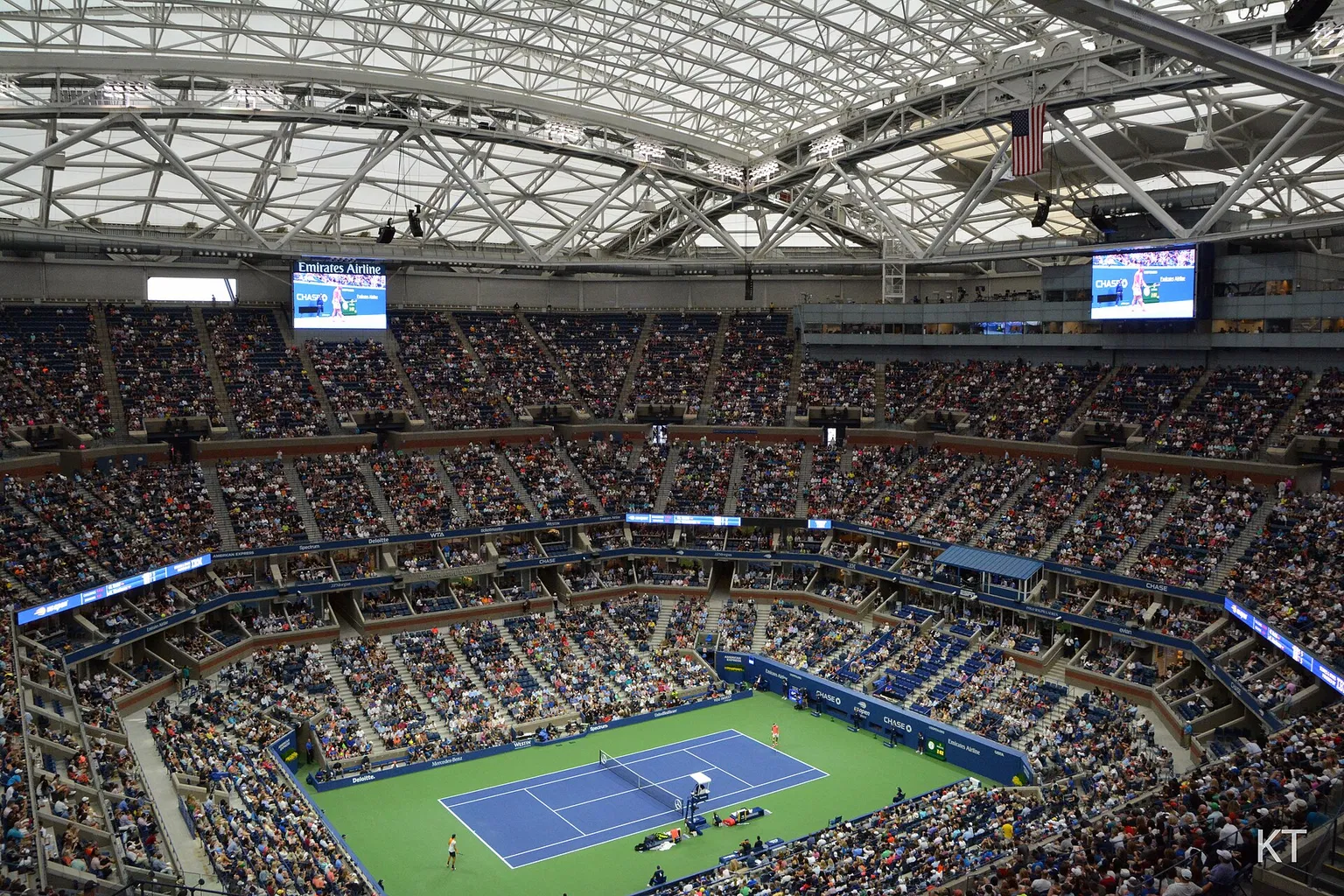
The US Open tennis championships aren't just the final Grand Slam of the season — they're a live masterclass in human fitness. The 2026 tournament runs August 30 through September 13 at the USTA Billie Jean King National Tennis Center in Queens, New York, and it arrives with a record $108 million prize pool, up from $90 million a year earlier. Last summer, Spain's Carlos Alcaraz outlasted defending champion Jannik Sinner in a bruising men's final while Aryna Sabalenka successfully defended her women's singles crown, capping a fortnight of sprinting, lunging, and relentless endurance on unforgiving hard courts. For anyone watching from the couch, the message is hard to ignore: tennis is a serious, full-body workout. As the sport's biggest stage prepares for another banner year, here's what the US Open can teach the rest of us about building a fitter, healthier body.
Why Tennis Is a Full-Body Workout, Not Just a Game
Few sports demand as much from the entire body as tennis. Every point blends explosive sprints, lateral shuffles, and rapid changes of direction with full rotational power through the core, shoulders, and hips. The US Open's hard courts only amplify the challenge — the Laykold surface at Flushing Meadows is fast and unforgiving, forcing players to stay low and react in fractions of a second.
That's what makes tennis such an efficient exercise for everyday athletes. A recreational singles match combines aerobic conditioning — keeping your heart rate elevated through long rallies — with anaerobic bursts every time you chase down a drop shot or leap for an overhead. It works the legs through constant lunges and split-steps, the core through every groundstroke's rotation, and the upper body through serving and volleying. In short, one session covers the ground of a run, a sprint workout, and a strength routine all at once.
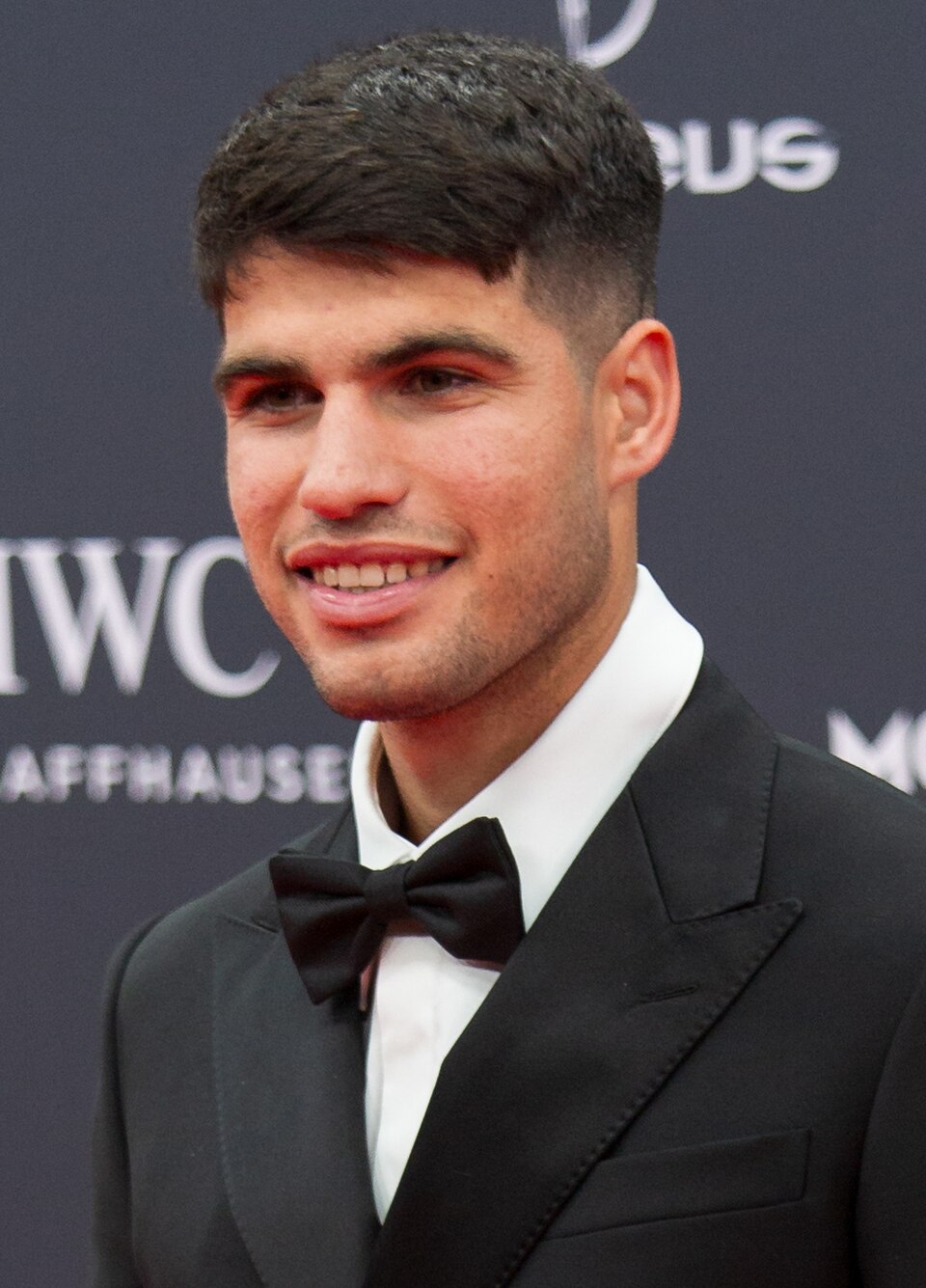
The pros embody the result. Alcaraz, the 2025 men's champion, is renowned for a frenetic, court-covering style that blends sprinter speed with gymnast agility — a reminder that elite tennis is as much about conditioning as technique. Sabalenka's power game, meanwhile, shows how lower-body strength and rotational force translate directly into winning strokes.
For anyone focused on fitness, the US Open is more than a sports story: it's a case study in why racquet sports deserve a permanent spot in a well-rounded routine.
From Opening Serve to Championship Point: The US Open Timeline
Understanding the tournament's rhythm helps explain why its athletes are so fit. The modern US Open spans roughly two weeks of near-daily matches, with the 2026 edition running from August 30 to September 13.
- Late August — Main draw begins: 128 men and 128 women enter the singles draws, kicking off a grueling schedule for anyone chasing the title.
- Fan Week and mixed doubles: Since 2025, the mixed doubles event has been held during the pre-tournament Fan Week, compressed into two electric days with a $1 million winners' prize and a fast, short-set format.
- Second week — contenders separate: As the field narrows to the quarterfinals and semifinals, recovery, hydration, and conditioning become the difference between winning and going home.
- Finals weekend: Champions play seven best-of-five-set (men) or best-of-three-set (women) matches across the fortnight — a cumulative physical load that rewards the fittest, not just the most talented.
That endurance demands year-round training: a reminder that the fitness we admire in September is built in the months and years before the first ball is struck.
The Health Payoff: What Playing Tennis Does for Your Body and Mind
The benefits of tennis extend well beyond the court. Because the sport forces constant movement with built-in rest between points, it creates a natural interval-training effect that's excellent for the heart. A recreational singles match can burn several hundred calories per hour while keeping the workout varied enough to avoid the monotony of a treadmill.
The science is encouraging, too. Research has repeatedly linked racquet sports to better cardiovascular health and longevity. One widely cited Danish study published in Mayo Clinic Proceedings found that tennis was associated with roughly 9.7 added years of life expectancy compared with a sedentary lifestyle — the largest gain among the activities measured, ahead of running, cycling, and swimming.
Tennis also sharpens the skills that tend to fade with age. Tracking a moving ball, timing a swing, and reacting to an opponent's shot all train hand-eye coordination, balance, and agility — the very attributes tied to fall prevention and functional independence later in life. The mental side is just as valuable: every point is a small problem to solve under pressure, which keeps the brain engaged in a way few workouts do.
There's a social dimension as well. Unlike a solo gym session, tennis requires a partner — and doubles brings four people together, blending exercise with connection. The US Open's own mixed doubles experiment leaned into that spirit, turning the discipline into a lively, crowd-pleasing showcase.
Whether you play once a week or once a year, the takeaway is the same: tennis delivers cardiovascular fitness, muscular endurance, coordination, and mental stimulation in a single activity — which is exactly why the pros on display at Flushing Meadows are some of the most complete athletes in the world.
Where Tennis Stands Now: Record Prize Money and a Bolder Mixed Doubles
The US Open is riding significant momentum. Total prize money reached $90 million in 2025 and jumps to a record $108 million for 2026 — a roughly 20 percent increase that reflects the tournament's growing stature.
The biggest format change in years arrived in 2025 with mixed doubles. Organizers moved the event out of the main draw and into the pre-tournament Fan Week, compressing it into two high-energy days at Arthur Ashe and Louis Armstrong Stadiums. Sixteen teams — eight via combined ranking and eight wild cards — competed under short-set, no-ad rules, with a $1 million prize for the winners. Sara Errani and Andrea Vavassori defended their title, beating Iga Świątek and Casper Ruud in the final.
The shift drew both praise and criticism, but it undeniably raised the discipline's profile, drawing large crowds and a lively atmosphere. With that success, the format is widely expected to return.
Training Like a US Open Athlete: What to Add to Your Routine
You don't need a Grand Slam schedule to borrow from the pros' playbook. Start with a dynamic warm-up of leg swings, lunges, and light jogging to prep the hips and shoulders for explosive movement. Add short, sharp sprints — think 10 to 20 yards with quick stops — to mimic the start-and-stop demands of a point.
Strength work should emphasize the legs and core: squats, lunges, and rotational medicine-ball throws build the power behind every groundstroke, while planks and anti-rotation holds protect the lower back during serves. Don't skip the mental reps, either — a few minutes of focused footwork drills each week will improve coordination as much as any strength session.
Most importantly, just play. A weekly match or rally session delivers the full package — cardio, agility, strength, and fun — in a single hour.
The Bottom Line: Key Takeaways
- The 2026 US Open runs August 30 to September 13 in Queens, New York, with a record $108 million prize pool.
- Carlos Alcaraz and Aryna Sabalenka are the reigning singles champions from 2025.
- Tennis is a rare full-body workout, blending aerobic and anaerobic exercise in every point.
- Studies link racquet sports to better heart health and longer life expectancy.
- The revamped mixed doubles format — a 2025 hit — shows how the sport is evolving to draw bigger crowds.
- You can train like a pro with sprints, lunges, core work, and a weekly match.