A multistate Listeria outbreak traced to soft cheeses manufactured by Clover Hill Dairy has now sickened 12 people across four states, hospitalized 10, and claimed one life—and the recall keeps expanding. Federal health officials are urging consumers to check their refrigerators immediately, especially if they've purchased requesón, ricotta, or any soft Hispanic-style cheeses in recent months.
The FDA and CDC, in collaboration with state and local partners, are investigating what they describe as a "multi-state, multi-year outbreak" of Listeria monocytogenes infections. Sick people's samples were collected over a span of more than three years—from March 6, 2023, to as recently as June 2, 2026—indicating the contamination may have gone undetected for a dangerously long period.
For anyone focused on clean eating and whole-food nutrition, this outbreak is a stark reminder that even minimally processed, culturally cherished foods can harbor serious pathogens when safety protocols break down at the manufacturing level.
How the Outbreak Unfolded: From a Family's Illness to a Nationwide Recall
The outbreak first came to light on May 13, 2026, when the Suffolk County Health Department in New York notified state agriculture officials about two related Listeria illnesses within a single family. Both patients had purchased food from a local retailer in Brentwood, New York. Investigators from the New York State Department of Agriculture and Markets tested five cheese samples from that retailer—and found Listeria monocytogenes in one sample of requesón that had been repacked at the store.
Whole genome sequencing confirmed the bacterial strain matched the outbreak strain. The trail led back to Clover Hill Dairy, LLC, based in Mechanicsville, Maryland. On June 18, Clover Hill expanded its initial recall to include every single cheese product manufactured at its facility. Then on June 26, downstream distributor La Ceiba Foods Latin Market Inc. issued its own recall for cottage cheese products sold under the La Colonia and Selectos Latinos brands.
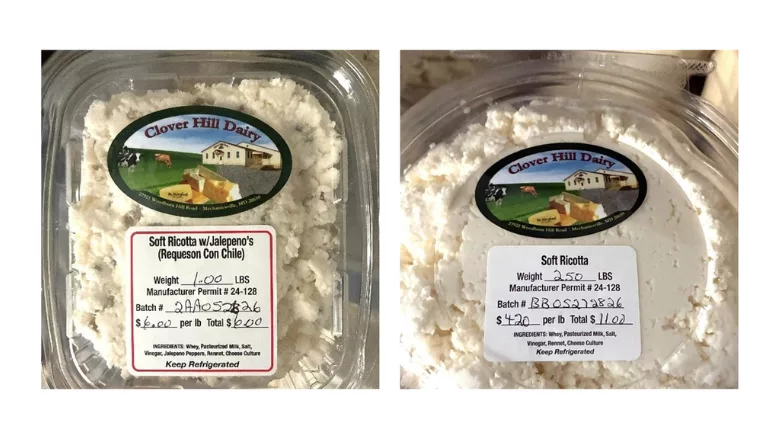
As of the FDA's June 29 update, six requesón cheese samples and two environmental samples collected from Clover Hill Dairy by the Maryland Department of Health tested positive for the outbreak strain—confirming the contamination originated at the production facility itself.
What's Been Recalled: The Full Product List
The scope of this recall is unusually broad. Clover Hill Dairy has recalled every product it manufactures, which were sold directly from its retail market, at farmers markets, and through third-party distributors across Maryland, New Jersey, New York, North Carolina, Virginia, and Washington, D.C.
La Ceiba Foods recalled products (distributed to MD, VA, and DC between May 11 and June 1, 2026, all with an expiration date of 07/10/2026):
- La Colonia Requesón Salvadoreño — Soft Ricotta Cheese, 14 oz (UPC: 736846383099)
- Selectos Latinos Requesón Salvadoreño — Ricotta Style Salvadorean Style Cheese, 16 oz (UPC: 767787984526)
- Selectos Latinos Requesón Mexicano — Mexican Cottage Cheese, 16 oz (UPC: 767787984519)
- Clover Hill Buket of Requesón — 18 lb bulk
Clover Hill Dairy recalled categories include: Soft Cuajada, Soft Cuajada in Brine, Ricotta/Requesón (including jalapeño variety), Yummy Cheddar, White Cheddar, White Colby, Monterey Jack, Marble Jack, Fresh Cheddar Curd, Horseradish Cheddar, Old Bay Cheddar, Jalapeño Cheddar, Pepper Jack, Sizzlin' Colby (with habanero), and smoked cheddar varieties. Products may also appear relabeled under the brand names KESSO, QUESOS LA RICURA, IZALCO, DE MI PUEBLO, and RIO LINDO.
Listeria Symptoms: What to Watch For and Who's Most at Risk
Listeriosis is particularly dangerous because symptoms can take anywhere from the same day to 10 weeks after consuming contaminated food to appear. Mild symptoms include fever, muscle aches, nausea, tiredness, vomiting, and diarrhea. If the infection progresses to a more severe, invasive form, symptoms may escalate to headache, stiff neck, confusion, loss of balance, and convulsions.
The CDC identifies three high-risk groups who should be especially vigilant:
- Pregnant women and newborns: Listeria infection during pregnancy can cause miscarriage, stillbirth, premature delivery, or life-threatening infection of the newborn—even when the mother experiences only mild flu-like symptoms.
- Adults aged 65 and older: The immune system naturally weakens with age, making older adults more susceptible to severe listeriosis.
- Immunocompromised individuals: Those undergoing chemotherapy, organ transplant recipients, or people with conditions like HIV/AIDS, diabetes, or kidney disease face elevated risk.
Healthy individuals may experience only short-term symptoms, but anyone who has consumed the recalled products and develops symptoms should contact their healthcare provider immediately.
Where the Recalled Cheese Was Sold and What Experts Say
The FDA has confirmed distribution in six states and Washington, D.C., but cautions that products could have been distributed further. Clover Hill Dairy products reached consumers through multiple channels: direct retail sales, farmers markets, and third-party distributors who may have relabeled products under different brand names.
Nelson & Isa Lacteos, LLC of Bay Shore, New York—another Clover Hill distributor—separately recalled requesón cheese sold at retail locations throughout New York between May 15 and May 28, 2026. The FDA has published a list of retail locations that may have received the recalled product, though the agency notes the list may not be exhaustive.
Food safety experts emphasize that Listeria is uniquely dangerous among foodborne pathogens because it can survive and even multiply at refrigeration temperatures. "Listeria can survive in refrigerated temperatures and can easily spread to other foods and surfaces," the FDA warns, recommending that anyone who purchased recalled products carefully clean and sanitize any surfaces or containers that came into contact with the cheese.
How to Protect Yourself: Foods to Avoid and Safety Steps
The FDA and CDC have issued clear guidance for consumers:
- Check your refrigerator and freezer immediately. If you have any recalled cheese, do not eat it. Return it to the place of purchase or throw it away. If you froze cheese without the original packaging and can't identify it, discard it.
- Clean thoroughly. Listeria can spread to other foods and surfaces. Follow the FDA's safe handling and cleaning advice to reduce cross-contamination risk.
- Avoid all queso fresco-type cheeses if you are in a high-risk group (pregnant, 65+, or immunocompromised). This includes soft ricotta and requesón, even if not part of the known recall.
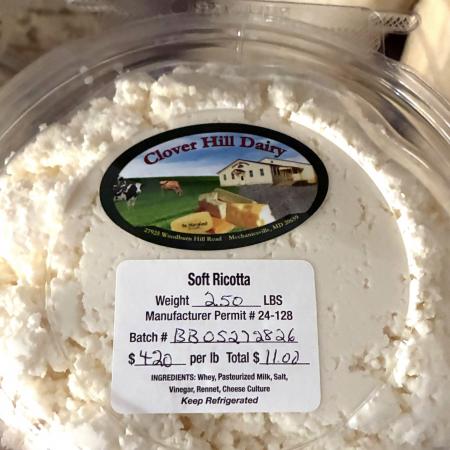
- Know the plant number. Clover Hill Dairy's manufacturer permit number is "24-128"—check labels for this identifier on clamshell containers.
- Watch for relabeled products. Recalled cheese may appear under alternate brand names including KESSO, QUESOS LA RICURA, IZALCO, DE MI PUEBLO, and RIO LINDO.
What Happens Next: The Investigation Continues
The FDA's investigation remains "ongoing," with the agency stating the advisory will be updated as more information becomes available. The CDC is working to identify whether any additional products are linked to the outbreak. Given that the earliest confirmed case dates back to March 2023 and the most recent to June 2026, health officials are still piecing together the full scope of contamination.
With 12 confirmed cases across four states—Illinois, Maryland, New York, and Virginia—and distribution reaching six states plus DC, this outbreak highlights critical gaps in the nation's food safety surveillance system that allowed contaminated products to reach consumers for over three years before detection.
The Bottom Line: Key Points to Remember
- 12 illnesses, 10 hospitalizations, 1 death linked to Clover Hill Dairy soft cheese across 4 states
- All Clover Hill Dairy cheese products are under recall—hard, soft, flavored, and smoked varieties
- La Ceiba Foods' La Colonia and Selectos Latinos cottage cheese products with EXP 07/10/2026 are recalled in MD, VA, and DC
- Check for plant number "24-128" on clamshell containers to identify Clover Hill products
- At-risk groups (pregnant, 65+, immunocompromised) should avoid all queso fresco-type cheeses
- When in doubt, throw it out. Listeria can survive refrigeration and has an incubation period of up to 10 weeks