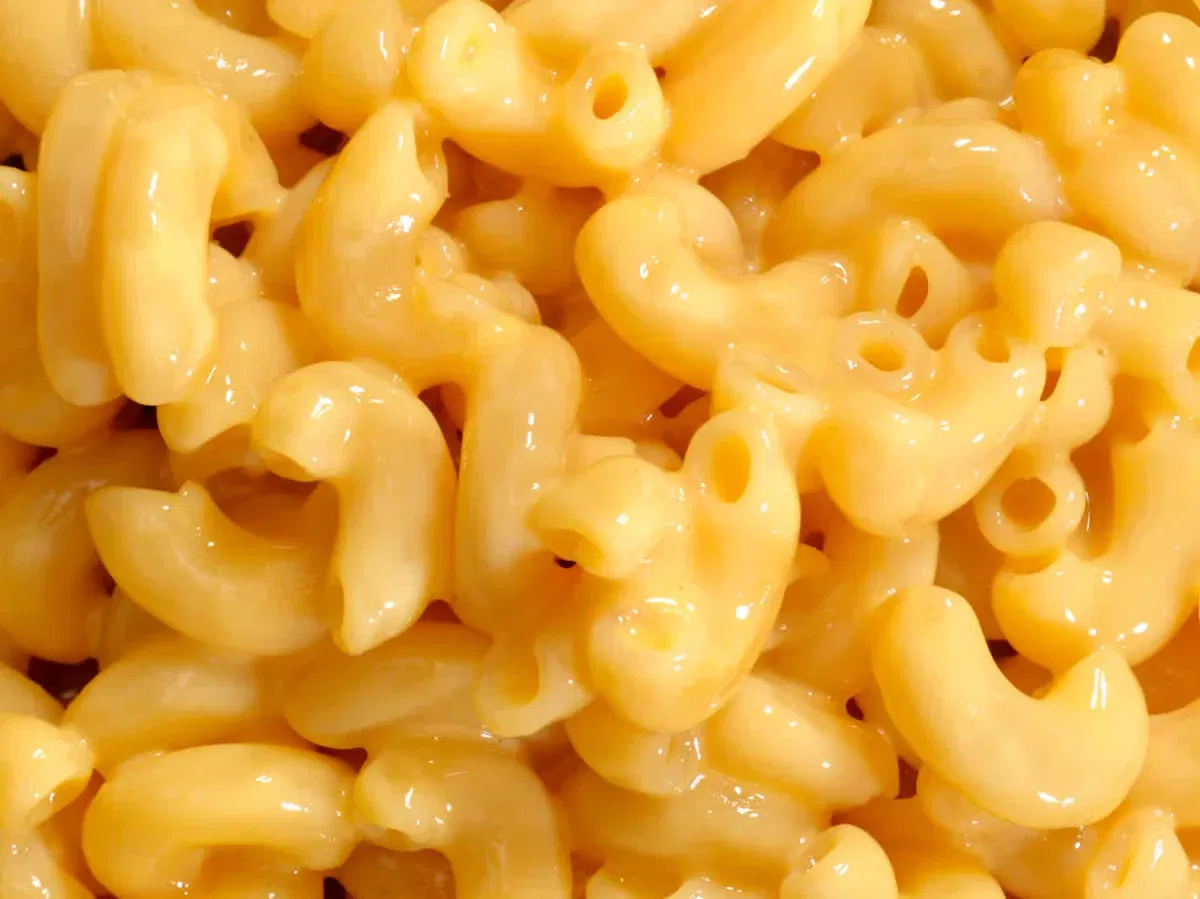
More than half a million packages of macaroni and cheese sold at Aldi stores nationwide have been recalled over an undeclared soy allergen, prompting the FDA to issue a Class II recall classification that affects consumers with soy allergies or sensitivities. The voluntary recall, initiated by BEF Foods Inc. back in March, was officially upgraded by the Food and Drug Administration on June 10, 2026, bringing renewed attention to a hidden ingredient that could pose health risks to unsuspecting shoppers.
The recall involves Park St. Deli Macaroni & Cheese, a refrigerated ready-to-eat product sold in 20-ounce plastic tubs with paperboard sleeves. According to the FDA enforcement report, a total of 58,405 cases — equivalent to 525,645 individual packages — were distributed to Aldi locations across the country. The products may contain undeclared soy lecithin, an emulsifier derived from soybeans that is commonly used in food manufacturing but can trigger allergic reactions in people with soy allergies.

How the Recall Unfolded: From Initial Alert to FDA Classification
The timeline of this recall highlights how food safety issues can evolve over months before reaching full public awareness. BEF Foods Inc., the Ohio-based manufacturer behind Park St. Deli products, first initiated the voluntary recall on March 23, 2026, after discovering that certain batches of their macaroni and cheese contained soy lecithin not declared on the product label. It wasn't until nearly three months later, on June 10, that the FDA officially classified the recall as Class II — a designation indicating that exposure to the product may cause temporary or medically reversible adverse health consequences, with the probability of serious health outcomes being remote.
The affected products were sold under Aldi's Park St. Deli label and can be identified by specific lot codes printed on the outer sleeve of the packaging. The recall includes 31 distinct codes, ranging from SUL4839705 to SUL4887699. Consumers who have purchased the product are advised to check the lot code on their package immediately.
Timeline: How the Aldi Mac and Cheese Recall Developed
March 23, 2026 — BEF Foods Inc. voluntarily recalls Park St. Deli Macaroni & Cheese after discovering undeclared soy lecithin in the product. The recall is submitted to the FDA but receives limited public attention at this stage.
Late March to Early June 2026 — The recalled product remains in consumer refrigerators across the country. Aldi removes affected inventory from store shelves, but the recall classification has not yet been upgraded.
June 10, 2026 — The FDA officially classifies the recall as a Class II event, bringing heightened scrutiny and broader media coverage. The classification affects 58,405 cases — more than 525,000 individual packages — distributed nationwide.
June 15–18, 2026 — Major news outlets including USA Today, Fox Business, Delish, and Good Housekeeping report on the upgraded recall, alerting consumers to check their refrigerators and return affected products for a full refund.
What Soy Lecithin Is and Why It Matters for Your Health
Soy lecithin is a group of fatty substances derived from soybeans that acts as an emulsifier in processed foods, helping ingredients like oil and water blend together smoothly. You'll find it in everything from salad dressings to chocolate, baked goods, and — as this recall demonstrates — prepared macaroni and cheese. According to Judy Simon, a clinical dietitian nutritionist at the University of Washington, soy lecithin is widely used in the food industry to create smooth, consistent textures in products.
While soy lecithin is generally recognized as safe for the majority of the population, it poses a significant risk for individuals with soy allergies. The American Academy of Allergy, Asthma, and Immunology notes that soy is one of the most common food allergens, particularly in children. For those with soy sensitivities, consuming even trace amounts can trigger reactions ranging from mild hives and digestive discomfort to severe anaphylaxis in rare cases.
This recall serves as an important reminder that hidden allergens in processed foods remain a serious concern. The undeclared soy lecithin in this product is particularly concerning because many consumers who purchase ready-to-eat macaroni and cheese may not expect to find soy-derived ingredients in what appears to be a simple pasta and cheese dish.
Where Things Stand Now: How to Check Your Purchase
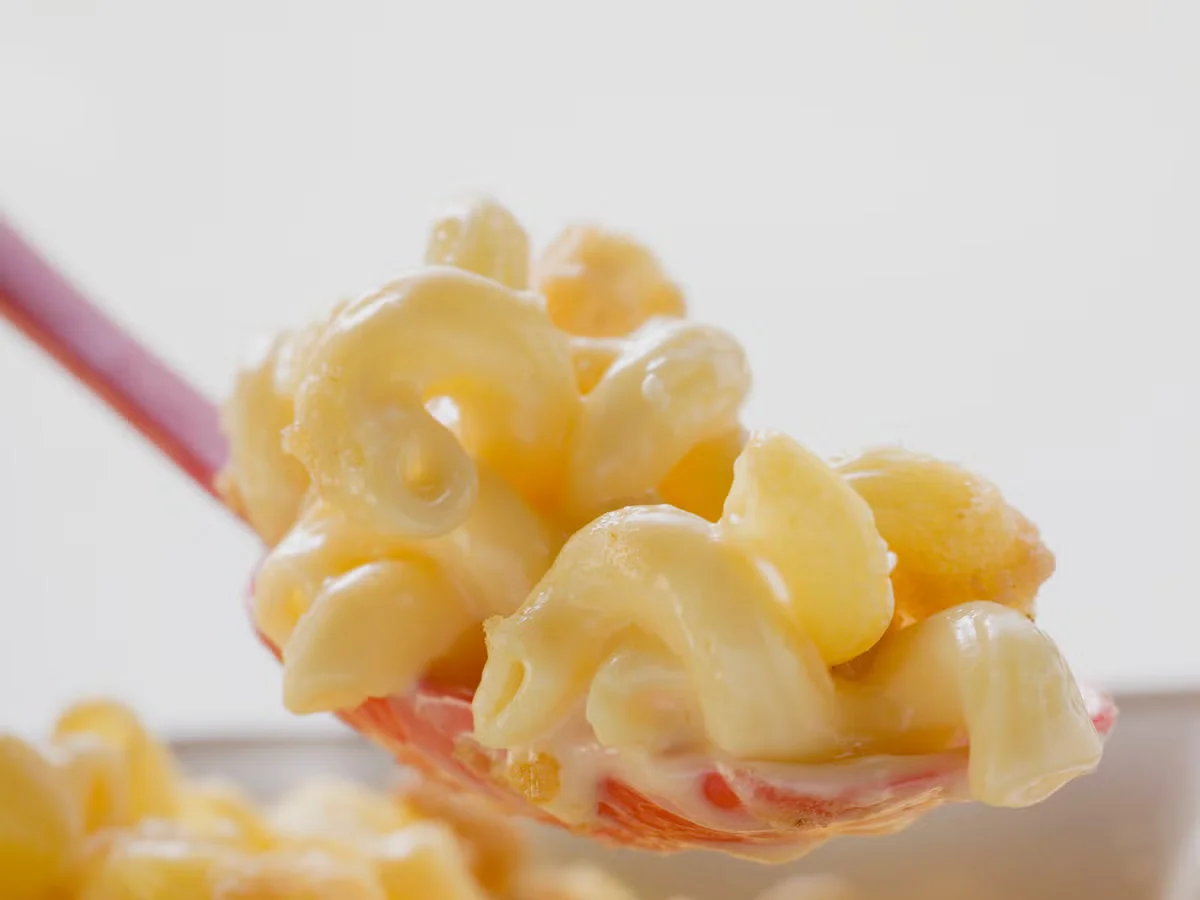
If you've recently purchased macaroni and cheese from Aldi, here's what you need to do. First, check the brand — the recall specifically affects Park St. Deli Macaroni & Cheese. Look at the lot code printed on the paperboard sleeve of the 20-ounce plastic tub. The affected codes include SUL4839705, SUL4839706, SUL4853771, SUL4853772, SUL4854698, SUL4854700, SUL4854701, SUL4855698, SUL4855699, SUL4855700, SUL4857735, SUL4857736, SUL4857737, SUL4857784, SUL4857785, SUL4866750, SUL4866751, SUL4866752, SUL4866781, SUL4866782, SUL4866783, SUL4866784, SUL4872813, SUL4872814, SUL4872815, SUL4873787, SUL4873788, SUL4886739, SUL4886740, SUL4887698, and SUL4887699.
Consumers are urged not to consume the recalled product, especially those with soy allergies. Instead, return the product to any Aldi store for a full refund. Even if you don't have a known soy allergy, it's worth checking your fridge — you may be serving the product to guests or family members who could be affected.
What This Means for Food Safety and Smart Shopping
This recall underscores the importance of reading food labels carefully and staying informed about product recalls, particularly when it comes to packaged and processed foods. For health-conscious consumers, this is also a reminder that even seemingly simple prepared foods can contain unexpected additives and allergens. Opting for whole-food alternatives or making macaroni and cheese from scratch using real cheese and simple ingredients eliminates the risk of undeclared additives like soy lecithin while giving you full control over what goes into your meal.
The FDA encourages consumers to sign up for recall alerts and to report any adverse reactions to the agency's MedWatch program. As food manufacturers continue to grapple with complex supply chains and ingredient sourcing issues, being a proactive and informed shopper has never been more important for protecting your health and the health of your family.
The Bottom Line: Key Takeaways from the Aldi Mac and Cheese Recall
- More than 525,000 packages of Park St. Deli Macaroni & Cheese sold at Aldi are under recall due to undeclared soy lecithin.
- The recall was initiated on March 23 and upgraded to a Class II FDA classification on June 10, 2026.
- 31 specific lot codes are affected — check the outer sleeve of your package immediately.
- Return affected products to any Aldi location for a full refund.
- Soy lecithin is a common emulsifier that poses risks to individuals with soy allergies.
- Making mac and cheese from scratch with whole ingredients is a safer, healthier alternative to processed versions.