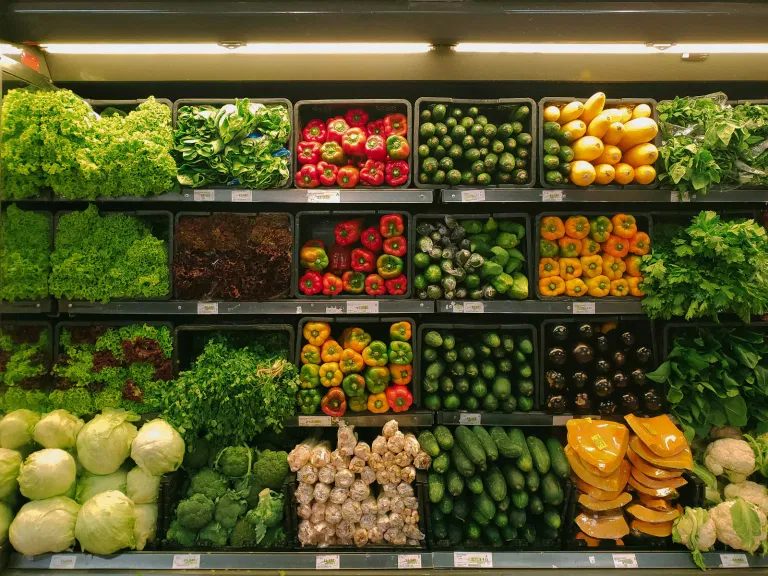
Two words are dominating the healthy-eating search charts right now: "whole foods" — and they're dragging their budget-friendly rival "Aldi" right along with them. The reason is simple. After years of grocery inflation, people want to eat more real, minimally processed food without spending a fortune, and two very different stores are now fighting to be the answer. The Amazon-owned organic giant Whole Foods spent 2024 slashing prices on more than 20,000 items, while German discounter Aldi keeps expanding its USDA-certified organic Simply Nature line. Yet even after those cuts, real-world basket comparisons still show Aldi ringing up identical groceries for roughly a third less. Here's what every health-conscious shopper needs to know about eating more whole foods — and where to actually buy them.
How Aldi and Whole Foods Became Opposite Ends of the Healthy Grocery Aisle
Whole Foods Market has spent decades as the default destination for organic produce, responsibly sourced meat and specialty foods. It now operates more than 535 locations across the U.S., Canada and the U.K., and its in-house "365 by Whole Foods Market" label has grown past 3,500 products. But for years the chain couldn't shake an unflattering nickname: "Whole Paycheck."
Aldi, by contrast, built its reputation on no-frills efficiency and rock-bottom prices. The German chain now runs more than 2,500 U.S. stores and has what The New York Times calls a "passionate, cultlike following." Its Simply Nature brand carries nearly 200 organic and non-GMO products — from produce and pantry staples to meat and dairy — all bearing the USDA Organic seal. Aldi also maintains a strict ingredient policy for its exclusive brands, excluding 125 or more artificial additives, synthetic colors and controversial preservatives.
The price difference is where the story gets interesting. A 2026 comparison of the same 12-item basket with identical delivery fees totaled $45.30 at Aldi versus $71.54 at Whole Foods — a $26.24 gap, or about 37% cheaper at Aldi. Across broader baskets, independent trackers place Aldi roughly 35% to 45% below Whole Foods overall, with Aldi's organic items priced about 30% to 40% lower on average. One shopper experiment buying equivalent grocery lists paid about $100 at Whole Foods versus just $40 at Aldi.
From "Whole Paycheck" to Price Cuts: How the Grocery Battle Unfolded
The collision between these two chains has been years in the making, and the timeline tells the story of a narrowing — but persistent — price gap.
- 2017–2021: Amazon acquires Whole Foods, integrating Prime discounts and expanding the affordable 365 brand, while Aldi quietly becomes a favorite of budget-conscious organic shoppers.
- 2024: Whole Foods cuts prices on more than 20,000 items — roughly 25% of its assortment — as CEO Jason Buechel concedes, "It seems that customers are gravitating toward where they feel the best deal is right now."
- Mid-2024: Whole Foods announces a smaller "quick shop" format aimed at grab-and-go trips and everyday convenience.
- 2025: Whole Foods opens new stores across five states and surpasses 535 locations, while Aldi accelerates past 2,500 U.S. stores and leans further into organic produce.
- September 2025: Aldi begins rebranding its private labels — including Simply Nature — under an "An Aldi Original" banner.
- 2026: Whole Foods expands its 365 private-label assortment further, and independent price trackers confirm Aldi still wins on cost by double digits.
Why Whole Foods Matter More Than Where You Buy Them
Amid all the price warring, nutrition experts say the bigger victory is simply eating more whole foods — fruits, vegetables, whole grains, legumes, nuts and seeds in their most natural, minimally processed form. A whole-food, plant-based (WFPB) diet has been linked in research to a lower risk of heart disease, healthier body weight and higher fiber intake. The landmark BROAD study, a randomized controlled trial published in the journal Nature, found that a whole-food, plant-based approach produced meaningful weight loss and significant improvements in BMI and cholesterol — without any calorie restriction.
That's where store choice starts to matter for your health, not just your budget. Whole Foods still wins on organic variety and specialty selection: its produce assortment and natural-food catalog are larger than Aldi's, and its 365 brand spans more than 3,500 items. Aldi wins on access, putting nearly 200 Simply Nature organic products within reach of households that once considered organic out of the question.
Registered dietitians seem to agree both stores have a place. In a 2026 Food & Wine roundup, dietitians named Whole Foods and Aldi among the five best grocery stores for healthy eating — clear proof that a healthy cart doesn't require a premium checkout.
Where the Grocery Battle Stands Now
As of late 2026, the two chains are narrowing the gap on price but widening it on strategy. Whole Foods keeps trimming prices and pushing its 365 store brand to shed the "Whole Paycheck" image, all while opening compact quick-shop locations. Aldi, fresh off its private-label rebrand, continues its aggressive expansion and leans into the healthy-eating trend with organic fruits, vegetables and plant-based options.
Independent basket data remains unambiguous, though: for the same staples, Aldi still comes out meaningfully cheaper — often by a third or more. The trade-off is selection. Whole Foods carries a broader range of organic, specialty and prepared foods, while Aldi keeps its lineup lean to protect those low prices.
What's Next for Healthy, Affordable Groceries
Expect both chains to keep chasing the same health-conscious, budget-aware shopper. Whole Foods' smaller-format stores signal a push into convenience and everyday trips, not just weekly specialty runs. Aldi's rebrand and organic expansion suggest it's moving upmarket without abandoning its discount roots. For consumers, the likely outcome is more organic options at lower prices everywhere — a genuine win for anyone trying to eat more whole foods without overspending.
The Bottom Line: How to Eat More Whole Foods for Less
- Split your list. Buy pantry staples, frozen organic produce, eggs and dairy at Aldi; save Whole Foods for specialty items and hard-to-find organics.
- Lean on store brands. Whole Foods' 365 (3,500+ products) and Aldi's Simply Nature (nearly 200 organic items) both deliver quality at lower prices.
- Prioritize whole foods over labels. Conventional whole fruits and vegetables are still a major upgrade over ultra-processed foods.
- Do the basket math. The same 12 staples can cost $45 at Aldi versus $71 at Whole Foods — shop accordingly.