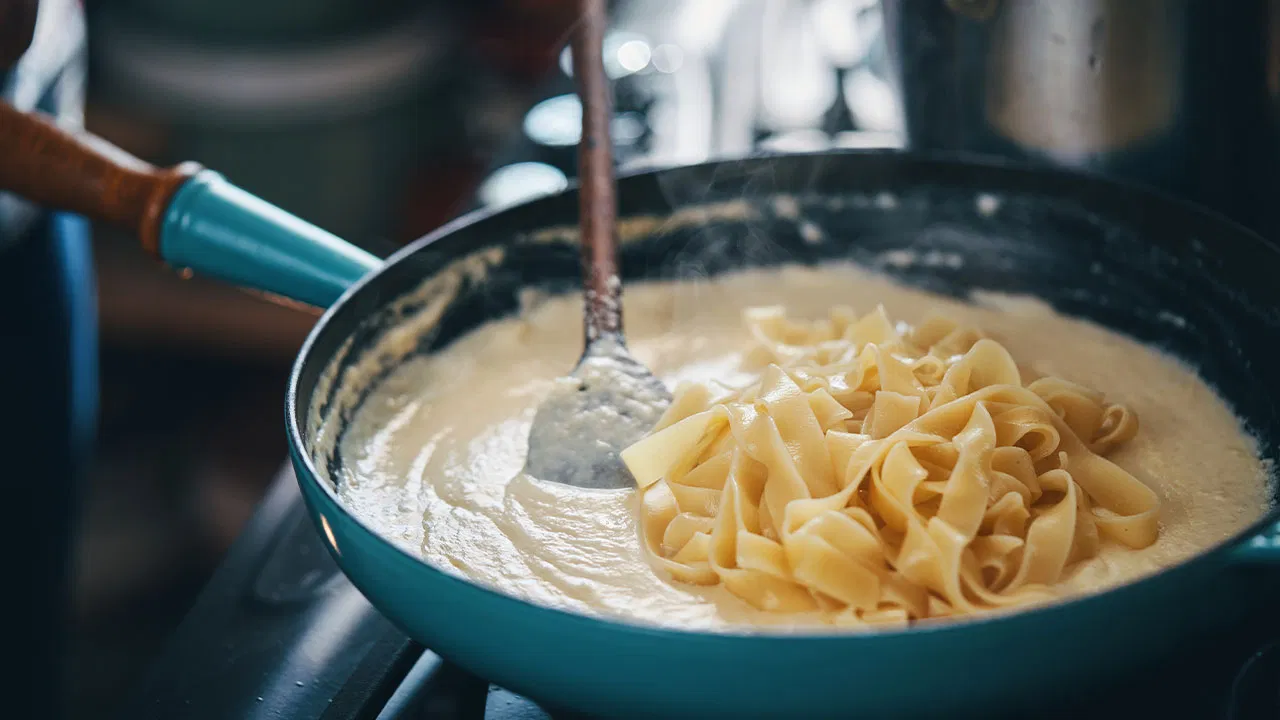
The Food and Drug Administration has classified a massive recall of Alfredo sauce at its highest risk level, warning consumers across 41 states that the popular pasta sauce may be contaminated with Salmonella. The recall, which affects more than 900 cases of The Coffee Connexion Co. Alfredo sauce, was elevated to a Class I event after a supplier flagged a dry milk powder ingredient used in the product for potential Salmonella contamination.
This matters now because Class I is the FDA's most serious recall classification, meaning there is a reasonable probability that exposure to the product could cause serious adverse health consequences or even death. For health-conscious consumers and families, this recall serves as an urgent reminder to check pantry items immediately.
How the Alfredo Sauce Recall Unfolded: What We Know So Far
The Coffee Connexion Co., Inc., based in Lebanon, Tennessee, voluntarily initiated the recall on May 6, 2026, after learning that a supplier's dry milk powder ingredient may have been contaminated with Salmonella bacteria. The FDA formally classified the recall as a Class I event on June 4, 2026, assigning it recall number H-0909-2026.
The recall covers 913 cases of Alfredo sauce packaged in 3-pound, 7-ounce sealed poly bags, with 12 bags per case. The affected product carries UPC 0039954921963 and includes specific batch numbers with best-by dates extending into 2028. According to the FDA enforcement report, no press release was issued for the recall, and the agency has not indicated whether any illnesses have been reported in connection with this contamination.
Timeline: How the Alfredo Sauce Recall Developed
May 6, 2026 — The Coffee Connexion Co. voluntarily initiates the recall after being notified by a supplier that a dry milk powder ingredient used in their Alfredo sauce may be contaminated with Salmonella.
June 4, 2026 — The FDA classifies the recall as a Class I event, its most serious classification, and assigns recall number H-0909-2026.
June 13–15, 2026 — News outlets including Fox Business, AP News, PBS NewsHour, and ABC News begin reporting on the elevated recall status, alerting consumers across the 41 affected states.
The affected batches include: batches 046188 through 046193 with a best-by date of January 12, 2028; batches 047290 through 047296 with a best-by date of February 16, 2028; batches 048029 through 048034 with a best-by date of March 9, 2028; and batches 049089 through 049094 with a best-by date of April 20, 2028.
Why This Recall Matters: Understanding the Risks of Salmonella
Salmonella is one of the most common causes of foodborne illness in the United States, responsible for approximately 1.35 million infections, 26,500 hospitalizations, and 420 deaths annually, according to the CDC. The bacteria can cause serious and sometimes fatal infections, particularly in young children, older adults, and people with weakened immune systems.
For healthy individuals, Salmonella infection — also known as salmonellosis — typically causes fever, diarrhea, nausea, vomiting, and abdominal pain. Symptoms usually begin six hours to six days after infection and last four to seven days. However, in severe cases, the infection may spread from the intestines to the bloodstream and other body sites, requiring hospitalization.
The FDA's decision to elevate this recall to Class I status underscores the severity of the risk. According to the agency's classification system, a Class I recall is reserved for situations where there is a reasonable probability that use of or exposure to a violative product will cause serious adverse health consequences or death.
The dry milk powder ingredient at the center of this recall is a common component in many food products, raising concerns about supply chain vulnerabilities. Food safety experts emphasize that this incident highlights the importance of rigorous supplier verification and ingredient testing protocols.
Where Things Stand Now: Latest on the Alfredo Sauce Recall
The recall remains ongoing, and consumers are urged to check their pantries for the affected product. The Alfredo sauce was distributed across 41 states including Alabama, Arkansas, Arizona, California, Colorado, Florida, Georgia, Illinois, Indiana, Iowa, Kansas, Kentucky, Louisiana, Massachusetts, Maryland, Maine, Michigan, Minnesota, Missouri, Mississippi, Montana, North Carolina, Nebraska, New Hampshire, New Jersey, New Mexico, New York, Ohio, Oklahoma, Oregon, Pennsylvania, Rhode Island, South Carolina, South Dakota, Tennessee, Texas, Utah, Virginia, Washington, Wisconsin, and Wyoming.
Consumers who have purchased the recalled Alfredo sauce should not consume it. The FDA recommends returning the product to the place of purchase for a full refund or disposing of it immediately. As of the latest FDA update, no illnesses have been confirmed in connection with this specific recall, but consumers should remain vigilant.
A representative for The Coffee Connexion Co. did not immediately respond to requests for comment from multiple news outlets.
What Happens Next: How This Recall Could Unfold
Food safety investigations typically follow a pattern once a Class I recall is issued. The FDA and the company will work to trace the contaminated ingredient back through the supply chain to determine the source of the Salmonella contamination. The dry milk powder supplier will likely face scrutiny, and additional recalls of other products using the same ingredient may follow.
Experts predict that this recall may lead to stricter testing requirements for dry milk powder ingredients used in consumer food products. The food industry has seen increased regulatory attention on Salmonella contamination in recent years, and this event could accelerate efforts to implement more robust preventive controls.
Key Takeaways: What You Need to Know
- Product: The Coffee Connexion Alfredo Sauce — 3 lb. 7 oz. sealed poly bags, UPC 0039954921963
- Recall scope: 913 cases distributed across 41 states
- Risk: Potential Salmonella contamination in dry milk powder ingredient
- FDA classification: Class I (highest risk level)
- What to do: Check batch numbers and best-by dates listed above; do not consume the product
- Symptoms to watch for: Fever, diarrhea, nausea, vomiting, abdominal pain — seek medical attention if severe
- No confirmed illnesses have been reported as of the latest FDA update