Walk down any grocery store aisle and you'll see them — rows of canned vegetables, from green beans and corn to tomatoes and peas. For years, they've carried a reputation as the less-nutritious cousin to fresh produce. But according to a growing body of research and nutrition experts, that reputation is largely undeserved. In fact, canned vegetables can be just as healthy as their fresh counterparts — and in some cases, they may even retain nutrients better.
The key is knowing what to look for on the label and how to incorporate them into a balanced diet. Here's what the science says about canned vegetables and how to make them work for your health and fitness goals.
How the Canning Process Affects Nutrients — The Surprising Truth
One of the biggest myths about canned vegetables is that the canning process destroys most of their nutritional value. The reality is far more nuanced. According to the Kendall Reagan Nutrition Center at Colorado State University, the canning process has a "negligible effect on the minerals, fiber, and vitamin A, E, and K content of veggies." That means the majority of what makes vegetables good for you — the fiber that supports digestion, the minerals like iron and zinc, and key fat-soluble vitamins — remains largely intact after canning.
There is some nutrient loss when it comes to water-soluble vitamins like vitamin C and certain B vitamins, which are sensitive to heat. However, this same nutrient degradation happens with fresh vegetables that sit in your refrigerator for days or weeks after harvest. "Canned options may even retain nutrients better because they're processed shortly after harvest, locking in vitamins and minerals," explains Southwest Health in their March 2025 nutrition report.
In fact, a study published in the Journal of the Science of Food and Agriculture found that canned tomatoes often have higher levels of lycopene — a powerful antioxidant linked to heart health and reduced cancer risk — than fresh tomatoes. The heat from the canning process actually increases the bioavailability of certain nutrients, making them easier for the body to absorb.
Fresh, Frozen, or Canned: Which Comes Out on Top?
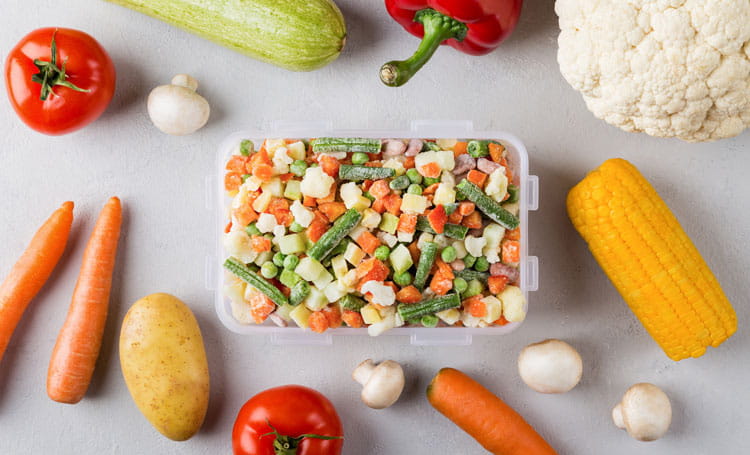
The American Heart Association (AHA) takes a clear stance on this debate: all three forms — fresh, frozen, and canned — can be healthy choices that help you meet the recommended daily intake of fruits and vegetables. Each has its own advantages depending on the situation.
Fresh vegetables are ideal when they're in season and locally sourced, as they're likely to be at peak ripeness and nutritional density. However, fresh produce that travels long distances may have been picked before fully ripening and can lose significant nutrients during transport and storage. Frozen vegetables, meanwhile, are flash-frozen at peak ripeness, which preserves most nutrients and makes them an excellent year-round option.
Canned vegetables offer something unique: convenience, affordability, and an exceptionally long shelf life. They're always ready when you need them, require no washing or chopping, and can be stored for months or even years without spoiling. For people trying to eat healthy on a budget or those with limited access to fresh produce, canned vegetables are a game-changer. Research even shows that people who regularly incorporate canned foods into their diets tend to have higher overall intakes of vegetables, dairy, and protein-rich foods, according to a study in the journal Nutrients.
The Sodium Factor: What to Watch For and How to Fix It
If there's one legitimate concern about canned vegetables, it's sodium. Salt is commonly added during the canning process as a preservative, and some cans can pack several hundred milligrams of sodium per serving. The AHA recommends being a smart label reader when shopping for canned goods.
Look for products labeled "no salt added," "low sodium" (less than 140 mg per serving), or "reduced sodium" (25% less than the regular version). Even if you can't find those options, there's a simple fix: rinsing and draining canned vegetables can reduce the sodium content by up to 40%. A quick rinse under cold water is all it takes to make regular canned vegetables a much healthier choice.
The British Heart Foundation also recommends checking for added sugar when buying canned products — this is more common with canned fruits, but some canned vegetable products like baked beans or glazed carrots may contain added sweeteners. Stick to vegetables canned in water or their own juices whenever possible.
Smart Ways to Add Canned Vegetables to Your Fitness-Focused Diet
Canned vegetables aren't just a backup plan — they can be a strategic part of a healthy eating routine. Here are some dietitian-approved ways to use them:
For a quick post-workout meal, toss rinsed canned corn, black beans, and diced tomatoes into a bowl with lean protein and a squeeze of lime. The combination delivers fiber, plant-based protein, and complex carbohydrates to support recovery. Canned pumpkin is another standout — it's packed with vitamin A and fiber and can be stirred into oatmeal, smoothies, or yogurt for a nutrient boost that supports immune function and vision health.
The AHA suggests using canned no-salt-added vegetables to build fast, filling soups — just add them to low-sodium broth with your choice of protein and whole grains. Canned beans like chickpeas or cannellini beans can be blended into high-protein dips with olive oil, lemon juice, and garlic. And canned tomatoes form the base of countless healthy sauces, stews, and chili recipes that can be prepped in advance for easy meals throughout the week.
The Bottom Line: Canned Vegetables Deserve a Spot in Your Pantry
The science is clear: canned vegetables are a legitimate, nutritious option that can help you eat more vegetables without breaking the bank. They retain most of their fiber, minerals, and fat-soluble vitamins through the canning process. They're harvested and canned at peak ripeness, which often means better nutrient retention than fresh produce that's been sitting on shelves. And with a little label-reading savvy — choosing low-sodium or no-salt-added varieties and giving them a quick rinse — you can virtually eliminate the one major downside.
For anyone focused on fitness, health, and building sustainable eating habits, canned vegetables offer an affordable, convenient way to hit your daily vegetable goals. Don't let outdated nutrition myths keep you from taking advantage of what's right there in the canned foods aisle.
- Nutrient retention: The canning process preserves minerals, fiber, and vitamins A, E, and K — only water-soluble vitamins like C and some B vitamins see reductions
- Peak ripeness advantage: Canned vegetables are processed shortly after harvest, locking in nutrients that fresh produce may lose during transport and storage
- Sodium solution: Rinse and drain canned vegetables to cut sodium by up to 40%, or choose "no salt added" and "low sodium" varieties
- Budget and convenience win: Canned vegetables cost significantly less than fresh and have a shelf life of months to years, making healthy eating more accessible
- Higher overall diet quality: Studies show people who use canned foods tend to consume more nutrient-dense foods like vegetables and protein