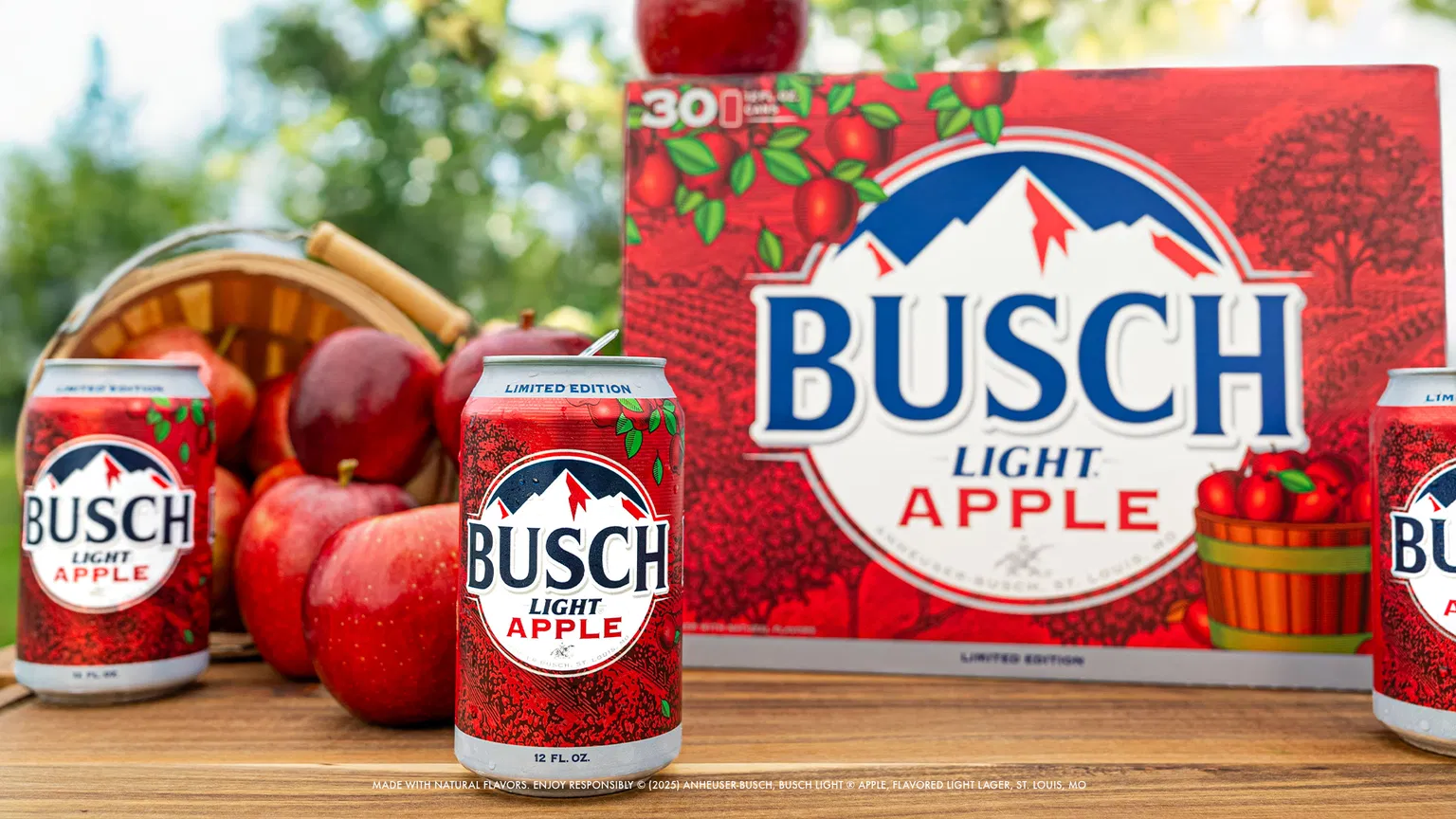
The viral phenomenon known as "Bapple" — Busch Light Apple — has officially returned to shelves nationwide as of April 20, 2026, and fans are scrambling to get their hands on the limited-time flavored lager. But while social media is buzzing with excitement over the apple-flavored beer's comeback, health-conscious drinkers need to know what's really inside that iconic blue-and-green can before jumping on the trend.
Announced by Anheuser-Busch on April 13, 2026, the return of Busch Light Apple comes after the brand sold a staggering 1.2 million cases in its first month of release last year, earning it the title of the #1 Limited-Time Offering Innovation of 2025. The fan demand was so intense that online petitions circulated begging for its return, and stores across the country reported sellouts within hours of restocking. But for those tracking their fitness and nutrition goals, the numbers behind the hype tell a different story.
The Nutrition Facts: Bapple vs. Regular Busch Light
Here's where the "light" in Busch Light Apple becomes misleading. A standard 12-ounce can of Busch Light Apple contains 130 calories, approximately 10.5 to 12 grams of carbohydrates, and 4.1% alcohol by volume. To put that in perspective, a regular Busch Light contains just 95 calories and 3.2 grams of carbs — that's a 37% calorie increase and nearly four times the carbohydrates in every single can.
For anyone following a low-carb, keto, or simply calorie-conscious diet, those numbers are significant. According to SureKeto's analysis, Busch Light Apple contains approximately 7.9 grams of net carbs per 240ml serving, placing it firmly in the "not keto-friendly" category. Unlike regular light beers which can sometimes fit into a flexible diet, the added apple flavoring brings unnecessary sugar that can derail blood sugar management and fat-burning goals.
How "Bapple" Became a Cultural Sensation
First introduced as a limited-time offering in 2020, Busch Light Apple quickly developed a cult following. The beer disappeared from shelves after its initial run, returning briefly in 2021 and 2022 before being absent entirely in 2023 and 2024. When it finally came back in May 2025, the response was nothing short of explosive.
"Last year, 1.2 million cases were sold in the first month alone, and it was named the #1 LTO Innovation of 2025," Anheuser-Busch announced in its official April 2026 press release. The brand leveraged this momentum, positioning the 2026 return as an even bigger event. Stores like University Liquors reported selling out within hours of their "Bapple" shipments arriving, with customers lining up before opening hours.
Why Bapple Doesn't Fit Your Fitness Goals
To understand the true impact, let's break down what 130 calories per can means in practical terms. A single 12-pack of Busch Light Apple adds up to 1,560 calories — nearly an entire day's worth of caloric intake for someone on a weight loss plan. Compare this to a 12-pack of regular Busch Light at 1,140 calories, and you're saving 420 calories by choosing the non-flavored option.
Even more concerning for fitness enthusiasts is the carbohydrate content. With 10.5 to 12 grams of carbs per serving, drinking just three Bapples delivers nearly the same carbohydrate load as a slice of bread — but without any of the nutritional benefits like fiber, vitamins, or minerals. Those carbs come primarily from added sugars used to create the apple flavor profile, offering empty calories that can spike blood sugar and contribute to fat storage.
For context, the Centers for Disease Control and Prevention (CDC) recommends limiting added sugar intake, and alcoholic beverages like flavored beers are a common hidden source. Unlike regular light beer, which typically contains minimal sugar, the apple flavoring in Bapple requires additional sweeteners that add to its overall carbohydrate load.
Where to Find Bapple in 2026
Despite the health considerations, Busch Light Apple is currently available nationwide for a limited time — while supplies last. Anheuser-Busch has not announced an official end date, but based on previous releases, the product is expected to remain on shelves only through late spring or early summer 2026. The company recommends using their online beer locator tool to find nearby retailers that carry the product.
Many stores are limiting purchases due to high demand, and some regions have reported sporadic availability. As with previous releases, once it's gone, it's gone — at least until the next potential return.
Healthier Alternatives for Game Day and Beyond
If you're torn between joining the Bapple craze and sticking to your health goals, here's the bottom line: an occasional Bapple likely won't derail your progress, but making it a regular part of your rotation can add up quickly. For those watching their waistlines, consider these lighter alternatives:
- Regular Busch Light — 95 calories, 3.2g carbs, same ABV
- Michelob Ultra — 95 calories, 2.6g carbs
- Bud Light Next — 80 calories, 0g carbs
- Miller Lite — 96 calories, 3.2g carbs
If you do choose to indulge in the Bapple trend, stick to one or two cans and factor those 130 calories and 12g of carbs into your daily totals. Better yet, save it for a special occasion rather than a daily choice — your body will thank you.
The Bottom Line: Enjoy Mindfully
Busch Light Apple's 2026 return is a testament to the power of viral marketing and fan loyalty. The product has clearly struck a chord with consumers who crave something different from the standard light beer offering. But as with any indulgent trend, knowledge is power. Understanding that Bapple packs 37% more calories and nearly four times the carbs of regular Busch Light allows you to make an informed choice that aligns with your health and fitness goals.