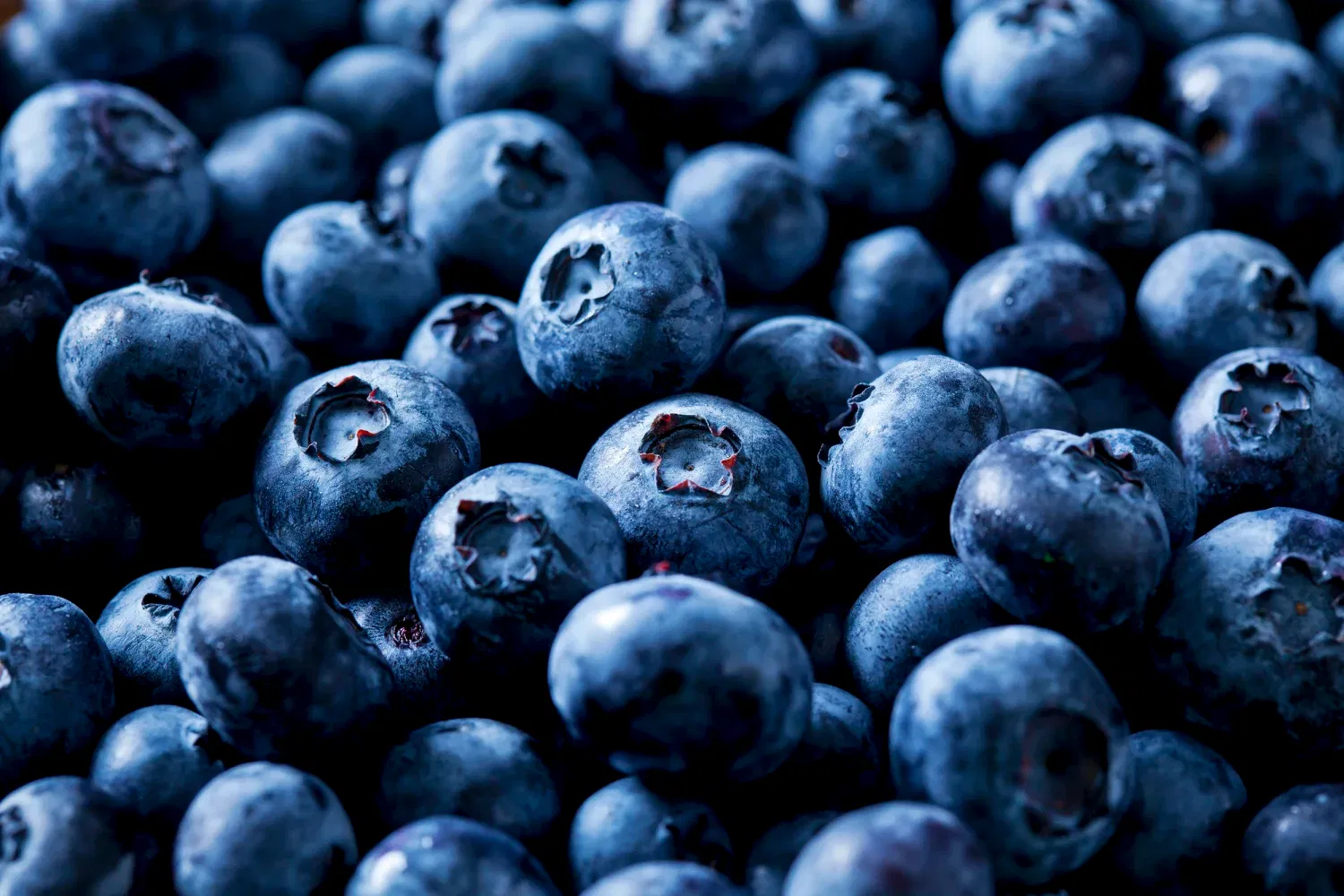
More than 55,000 pounds of frozen blueberries have been recalled across multiple states and Canada due to potential contamination with Listeria monocytogenes, a bacteria that can cause serious illness or even death. The U.S. Food and Drug Administration (FDA) upgraded the recall to its highest-risk Class I category this week, warning consumers and businesses to immediately check their freezers for affected products.
How the Blueberry Recall Unfolded: Inside the FDA's Class I Warning
Oregon Potato Company LLC initiated a voluntary recall of 55,689 pounds of frozen blueberries on February 12, 2026, after potential Listeria contamination was detected. The FDA escalated the situation on February 25 by classifying it as a Class I recall—the agency's most serious designation—indicating "a reasonable probability that the use of or exposure to a violative product will cause serious adverse health consequences or death."
The recalled blueberries were distributed in Michigan, Oregon, Washington, Wisconsin, and Canada through food service and wholesale channels. Importantly, these products were not sold directly to consumers in retail stores, meaning they may have reached people through restaurants, cafeterias, or bulk purchasing programs.
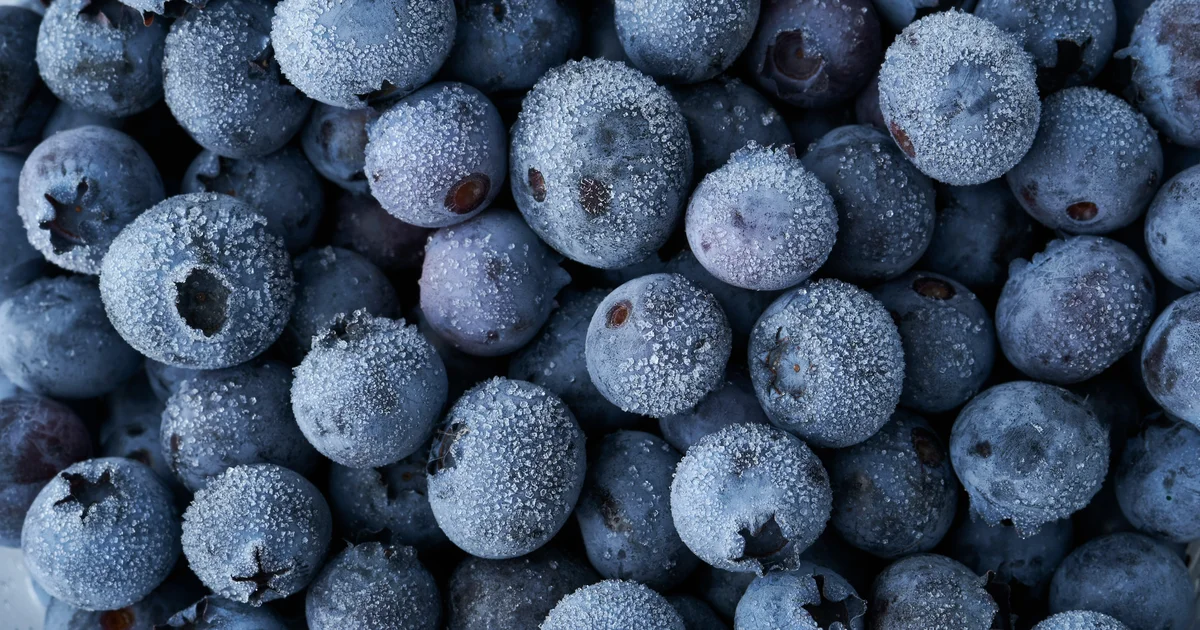
Timeline: Key Dates in the Frozen Blueberry Recall
The recall has developed through several critical stages:
- February 12, 2026: Oregon Potato Company initiates voluntary recall of frozen blueberries.
- February 24, 2026: FDA classifies the recall as Class I, its highest risk category.
- February 25-26, 2026: Public notifications issued by FDA and health agencies across affected states.
- Present: Ongoing investigation into the source of contamination and distribution tracking.
Why Listeria in Blueberries Poses Serious Health Risks
Listeria monocytogenes is a pathogenic bacteria commonly found in soil, water, and some animals. When contaminated food is consumed, it can cause listeriosis—a disease with two distinct forms. The less severe version presents with flu-like symptoms including fever, muscle aches, nausea, vomiting, and diarrhea, typically lasting one to three days.
However, the more serious form of listeriosis can be life-threatening, particularly for vulnerable populations. Symptoms may include headache, stiff neck, confusion, loss of balance, and convulsions. Those at highest risk include:
- Pregnant women (who may pass the infection to their fetus)
- Newborns and young children
- Adults over 65 years old
- Individuals with weakened immune systems

Check Your Freezer: Affected Lot Codes and Products
Consumers and food service operators should immediately check for the following recalled products:
- 30-pound cases with lot codes: 2055 B2 (expires July 23, 2027), 2065 B1 (expires July 24, 2027), and 2065 B3 (expires July 24, 2027)
- 1,400-pound totes with lot codes: 3305 A1 (expires November 25, 2027) and 3305 B1 (expires November 25, 2027)
All affected blueberries bear the Willamette Valley Fruit Company name and were packaged in polyethylene bags or liners within corrugated cases or large totes.
What Happens Next: Ongoing Investigation and Prevention
The FDA continues to work with Oregon Potato Company to identify the source of contamination and ensure all affected products are removed from distribution. Health officials recommend that anyone who may have consumed recalled blueberries monitor for symptoms for up to two weeks, as listeriosis can have a delayed onset.
For food safety, the FDA advises thorough cleaning of surfaces that may have contacted the product, proper handwashing, and immediate disposal of any recalled items. Restaurants and institutions that purchased these blueberries should contact their suppliers for return or destruction procedures.
Key Takeaways from the Blueberry Recall
- Over 55,000 pounds of frozen blueberries have been recalled due to potential Listeria contamination.
- The FDA has classified this as a Class I recall—the highest risk level—indicating serious health consequences are possible.
- Affected products were distributed in Michigan, Oregon, Washington, Wisconsin, and Canada through wholesale channels.
- Check for specific lot codes and dispose of any matching products immediately.
- High-risk individuals should be particularly vigilant for symptoms and seek medical attention if concerned.