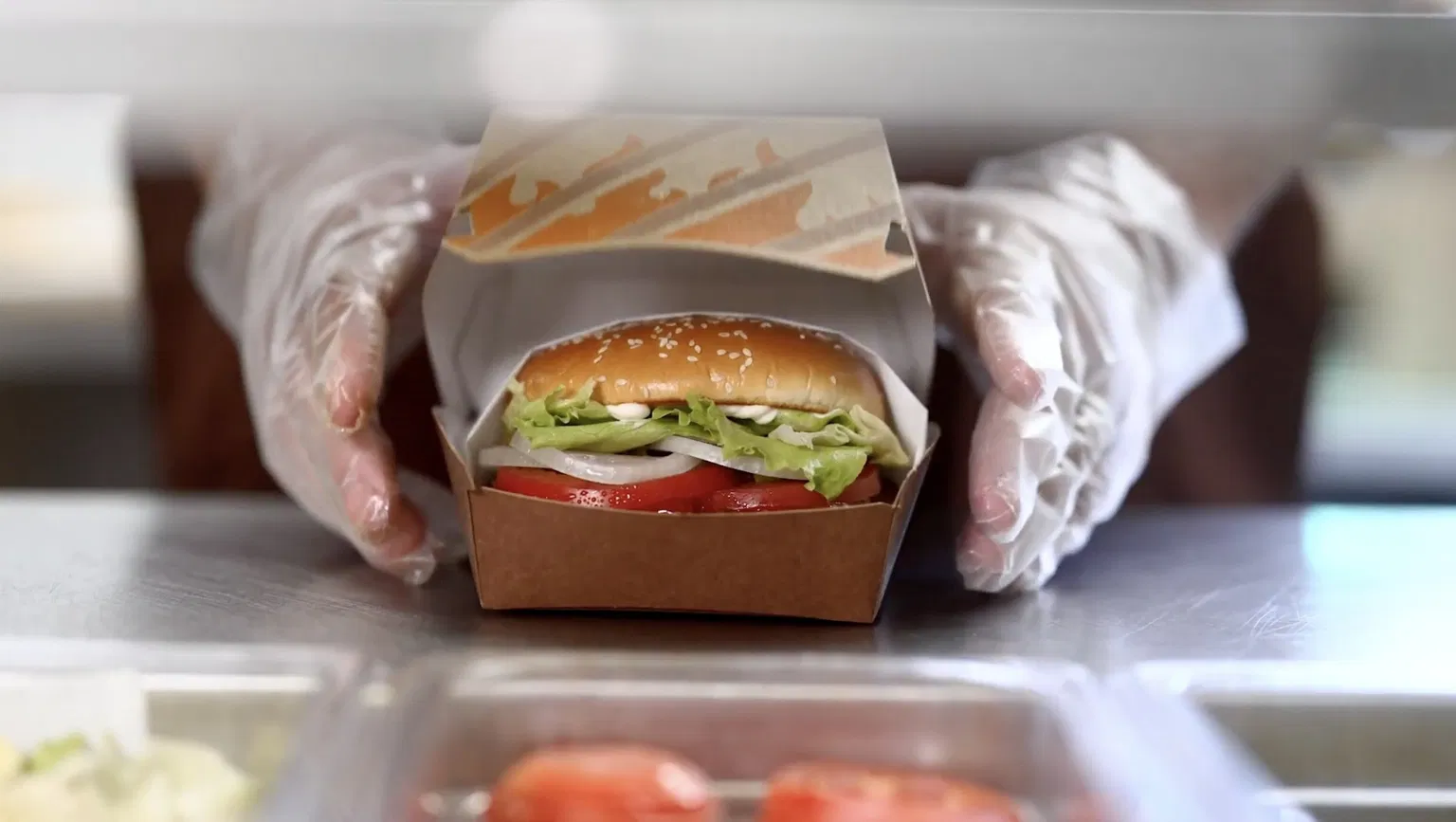
Burger King has made a historic move with its iconic Whopper, announcing the first major changes to the beloved burger in nearly a decade. In a surprising shift driven by direct customer complaints, the fast food giant is elevating its signature sandwich with premium ingredients and new packaging that could impact both your taste buds and your health goals. The Whopper's new premium bun, creamier mayonnaise, and protective clamshell box represent more than just a menu update—they signal a growing industry trend toward "premiumization" while raising important questions about nutritional value for health-conscious consumers.
How Burger King's Whopper Makeover Unfolded
The story behind the Whopper changes reads like a corporate responsiveness success story. According to Burger King's official announcement, the transformation began when President Tom Curtis launched an unprecedented initiative inviting customers to call or text him directly with feedback. This bold move came after years of complaints about smashed burgers and unsatisfactory experiences that left customers frustrated with their fast food purchases.

"Over the past several years, we've focused on strengthening our operations and modernizing our restaurants to build a more consistent foundation across the system," Curtis explained in the company's press release. "With that work well underway, we're now in a position to thoughtfully elevate our core menu. The Whopper is an icon, so we didn't set out to reinvent it. Instead, we elevated it based on direct Guest feedback."
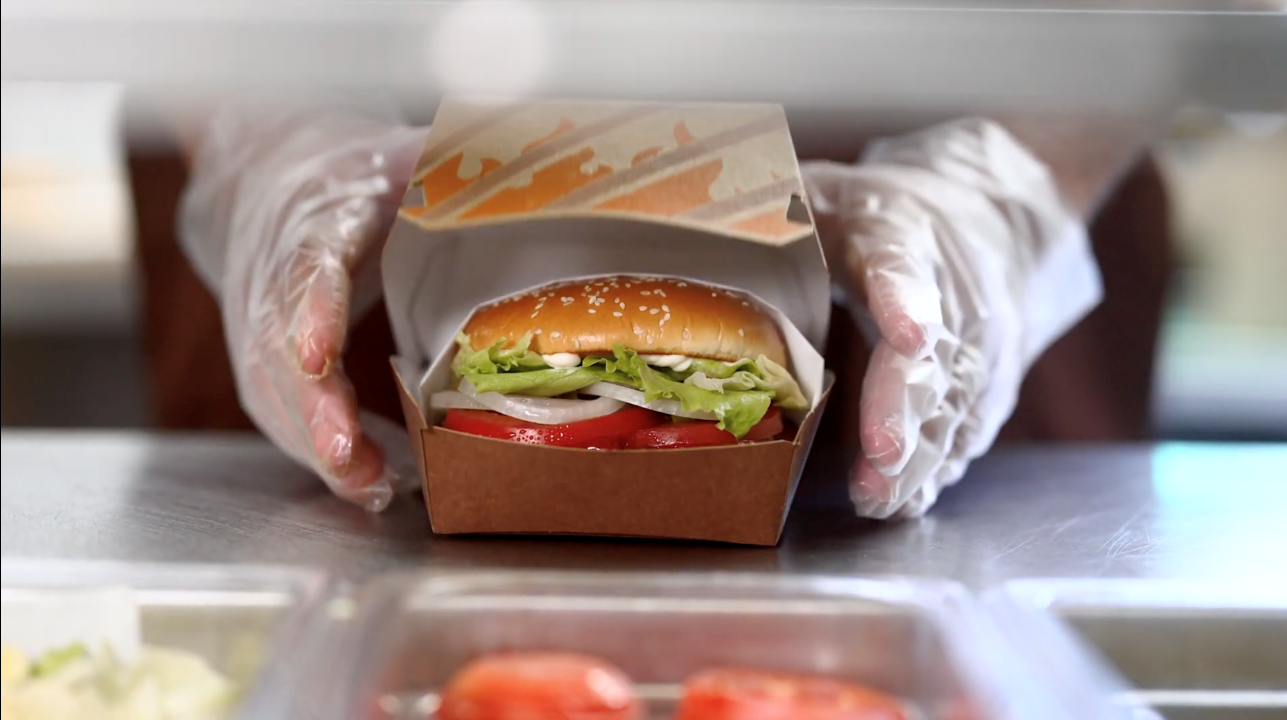
The specific changes, confirmed by multiple news sources including CNN and Nation's Restaurant News, include three key upgrades: a "more premium, better tasting" bun that's softer and glazed for improved texture, a reformulated creamier mayonnaise that enhances flavor without overwhelming the other ingredients, and a switch from paper wrapping to a sturdy cardboard box designed to protect the burger during transport. These modifications address the most common complaints about the previous Whopper—soggy buns, messy packaging, and inconsistent quality.
Timeline: From Customer Complaints to Whopper Revolution
The road to the Whopper's transformation followed a remarkably swift timeline that demonstrates how customer feedback can directly shape corporate decisions:
- February 17, 2026: Burger King launches its "President on the Line" initiative, encouraging customers to contact Tom Curtis directly with feedback and complaints.
- February 26, 2026: After receiving overwhelming feedback about the Whopper specifically, Burger King announces the comprehensive upgrades to its signature sandwich.
- Late February 2026: The updated Whopper begins rolling out nationwide, with the company emphasizing that the flame-grilled beef patty—the burger's defining feature—remains unchanged.
- March 2026: Burger King plans to promote the upgraded Whopper through its Royal Perks loyalty program and mobile app, encouraging trial and feedback on the new version.
CBC News reported that the timing was particularly significant given the competitive landscape, with other fast food chains also moving toward premium offerings. The network noted that Burger King's approach stood out for its direct connection between executive leadership and customer input.
Why the Whopper Changes Matter for Your Health
While the Whopper's taste and presentation improvements are noteworthy, health-conscious consumers need to understand what these changes mean for their nutritional goals. According to FastFoodNutrition.org, the standard Whopper contains approximately 670 calories, 39 grams of fat (55% of which comes from lipids), 54 grams of carbohydrates, and 31 grams of protein. The sodium content remains substantial at 980 milligrams—43% of the recommended daily value.
Nutrition experts point out that while the bun and mayonnaise upgrades might improve taste, they don't necessarily translate to better nutrition. "The premium bun might have a slightly different glycemic index, and the creamier mayonnaise could mean small changes in fat composition," explains a dietitian quoted in EatingWell's analysis of Burger King options. "But fundamentally, the Whopper remains a high-calorie, high-fat meal that should be approached as an occasional treat rather than a regular part of a healthy diet."
Healthline's comprehensive guide to healthier Burger King options suggests several alternatives for those watching their nutrition. The Whopper Jr. offers a more manageable 330 calories with 18 grams of fat, while the plain hamburger provides just 250 calories and 9.5 grams of fat. For those craving the Whopper experience, dietitians recommend customizing the order by removing the mayonnaise (saving approximately 100 calories), adding extra vegetables for fiber and nutrients, and skipping cheese to reduce saturated fat.
Where Things Stand Now: The Updated Whopper's Rollout
As of late February 2026, the updated Whopper is gradually appearing in Burger King locations across the United States and Canada. The company has emphasized that the changes are subtle enough that casual customers might not immediately notice, but regular Whopper fans will detect the improved texture and flavor profile.
Initial customer reactions, as reported by various news outlets, have been mixed but generally positive. Some customers appreciate the sturdier packaging that prevents the burger from becoming smashed during delivery or takeout, while others note the slightly sweeter, more substantial bun texture. The creamier mayonnaise has received particular praise for its ability to enhance rather than dominate the burger's flavor profile.
Burger King has positioned these changes as part of a broader brand revitalization effort that includes restaurant modernization and operational improvements. The company's focus on direct customer feedback represents a significant shift in how fast food chains approach menu development, potentially setting a new industry standard for responsiveness.
What Happens Next: The Future of Fast Food Nutrition
The Whopper update arrives amidst a broader industry trend that experts call "fast food premiumization"—the move toward higher-quality ingredients and better dining experiences while maintaining affordability. This trend presents both opportunities and challenges for health-conscious consumers.
Nutrition experts predict several developments in the coming year:
- More transparent ingredient lists: As chains upgrade ingredients, they're likely to provide clearer information about sourcing and nutritional content.
- Increased customization options: Burger King and competitors may expand their "build-your-own" features to accommodate dietary preferences.
- Plant-based innovations: While the traditional Whopper remains beef-based, the success of plant-based alternatives could lead to premium vegetarian options.
- Portion control focus: The popularity of smaller options like the Whopper Jr. may inspire more "right-sized" menu items.
For fitness enthusiasts and health-conscious eaters, the key takeaway is that fast food is evolving, but fundamental nutritional principles remain unchanged. "Whether it's a premium bun or a regular bun, calories still count," emphasizes the EatingWell dietitian analysis. "The best approach is to view fast food as an occasional convenience rather than a dietary staple, and to make informed choices when you do indulge."
The Bottom Line: Key Points to Remember
Burger King's Whopper transformation represents a significant moment in fast food history, but its implications for your health journey are straightforward:
- The Whopper's first update in nearly 10 years includes a premium bun, creamier mayonnaise, and protective packaging
- Changes were directly driven by customer feedback through President Tom Curtis's phone line initiative
- A standard Whopper contains 670 calories, 39g fat, and 980mg sodium—significant numbers for any meal
- Healthier alternatives include the Whopper Jr. (330 calories) and customized orders without mayonnaise or cheese
- The fast food industry's move toward "premiumization" doesn't automatically mean healthier options
- Informed customization and portion control remain the most effective strategies for balancing convenience with nutrition
As Burger King rolls out its updated Whopper nationwide, the most important question isn't whether the new bun tastes better, but how this iconic burger fits into your overall approach to health and fitness. With smart choices and mindful eating, even fast food can have a place in a balanced lifestyle—but the premium ingredients shouldn't distract from the fundamental nutritional facts that matter most for your wellbeing.