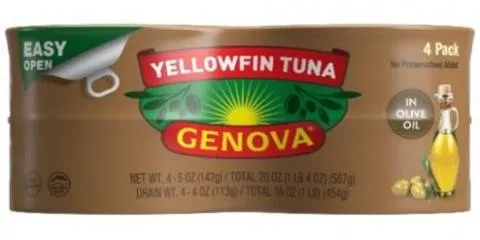
A major food safety alert has been issued after previously recalled canned tuna products were mistakenly shipped to grocery stores across nine states, posing a potentially fatal botulism risk. The U.S. Food and Drug Administration (FDA) announced that Tri-Union Seafoods discovered quarantined cases of Genova Yellowfin Tuna, associated with a February 2025 recall, were inadvertently distributed by a third-party distributor to retailers in Illinois, Indiana, Kentucky, Ohio, Wisconsin, Michigan, Maryland, Virginia, and California.
How the Recalled Tuna Reached Store Shelves Again
The situation began with an initial voluntary recall in February 2025, when Tri-Union Seafoods was notified by their supplier about a manufacturing defect in the "easy open" pull tab lids on limited canned tuna products. According to the FDA announcement, this defect could compromise the integrity of the product seal over time, potentially causing leakage or contamination with Clostridium botulinum—the bacteria that causes botulism, a serious and potentially fatal form of food poisoning.
"Tri-Union Seafoods is cautioning consumers that a third-party distributor inadvertently released quarantined product that was associated to a February 2025 recall," the company stated in their FDA announcement dated January 16, 2026. The impacted products had been properly quarantined following the initial recall, but somehow made their way back into the distribution system, reaching store shelves in nine states before the error was discovered.
Identifying the Affected Tuna Products
Consumers need to check their pantries immediately for two specific Genova Yellowfin Tuna products. The recall includes detailed identification information that goes beyond just the brand name:
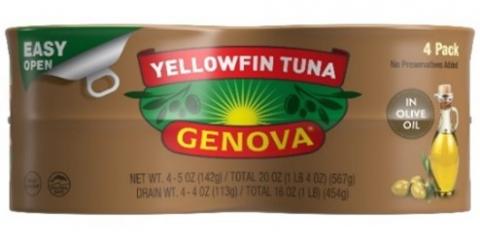
- Genova Yellowfin Tuna in Olive Oil 5.0 oz 4 Pack: UPC 4800073265, Can Codes S84N D2L (Best if Used By 1/21/2028) and S84N D3L (Best if Used By 1/24/2028)
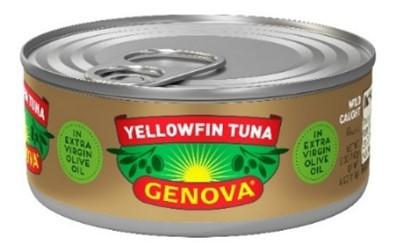
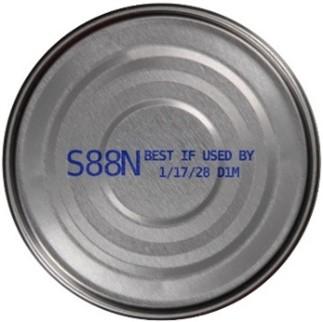
- Genova Yellowfin Tuna in Extra Virgin Olive Oil with Sea Salt 5.0 oz: UPC 4800013275, Can Code S88N D1M (Best if Used By 1/17/2028)
These products were distributed to specific retailers in affected states: Meijer stores in Illinois, Indiana, Kentucky, Michigan, Ohio, and Wisconsin; Giant Foods locations in Maryland and Virginia; and Safeway, Albertsons, Vons, and Pavilions stores in California.
The Botulism Risk: Understanding the Danger
Botulism is not your typical food poisoning. Unlike most foodborne illnesses that cause gastrointestinal distress, botulism attacks the nervous system. According to health experts, the toxin produced by Clostridium botulinum bacteria is one of the most potent neurotoxins known to science, capable of causing paralysis and respiratory failure.
"The defect may cause leakage and bacteria contamination, which can lead to botulism infections," explains Health.com's coverage of the recall. "Symptoms can include abdominal pain or discomfort, blurred or double vision, dilated pupils, dizziness, drooping eyelid, dry or sore throat, facial muscle paralysis, nausea or vomiting, swollen belly, and trouble swallowing and speaking."
What makes botulism particularly dangerous is its delayed onset—symptoms can appear anywhere from a few hours to two weeks after consuming contaminated food. This delay means people might not immediately connect their symptoms to something they ate days earlier.
Timeline: From Initial Recall to Accidental Redistribution
The story of this recall spans nearly a year, highlighting both the complexities of modern food distribution and the importance of rigorous recall protocols:
- February 2025: Initial voluntary recall announced after manufacturer discovers defective pull-tab lids that could compromise seal integrity
- Following months: Products properly quarantined and removed from distribution channels
- January 16, 2026: Tri-Union Seafoods discovers third-party distributor inadvertently released quarantined products
- January 19, 2026: FDA publishes updated recall announcement
- January 20-21, 2026: News outlets nationwide report on the accidental distribution
This timeline reveals a critical gap in the food safety system: even properly quarantined products can find their way back into circulation if distribution protocols break down.
What You Should Do If You Have Recalled Tuna
The FDA and Tri-Union Seafoods have provided clear instructions for consumers who may have purchased the affected products:
- Do not consume: Even if the cans look and smell normal, do not eat the tuna. The botulism toxin can be present without visible signs of spoilage.
- Check your pantry: Look for the specific UPC codes and can codes listed above. Pay special attention to the bottom of the cans where the codes are printed.
- Choose your disposal method: You can return the product to the place of purchase for a full refund, throw it away, or contact Tri-Union Seafoods directly for a retrieval kit and coupon for replacement product.
- Monitor for symptoms: If you've consumed any of the recalled tuna and begin experiencing symptoms like muscle weakness, double vision, difficulty speaking or swallowing, or breathing problems, seek immediate medical attention.
For questions or to request a replacement, contact Tri-Union Seafoods at [email protected] or call 833-374-0171 Monday through Friday from 9 a.m. to 5 p.m. Eastern Time.
Broader Implications for Food Safety and Healthy Eating
This incident raises important questions about food safety systems and what it means to maintain a truly healthy diet. While canned tuna is often considered a healthy protein source—low in fat, high in omega-3 fatty acids, and convenient for quick meals—this recall reminds us that food safety is the foundation of nutritional health.
"Food recalls like this one highlight the importance of being an informed consumer," notes EatingWell's coverage of the situation. "Knowing how to identify recalled products and understanding proper food handling can help protect you and your family from foodborne illness."
For those who regularly include canned fish in their diet, this recall doesn't mean you should avoid tuna altogether. Instead, it underscores the importance of:
- Regularly checking recall notices from the FDA and USDA
- Understanding how to read product codes and expiration dates
- Knowing the symptoms of foodborne illnesses
- Having a plan for how to handle recalled products
Where Things Stand Now: Latest Updates
As of the most recent reports, Tri-Union Seafoods and the FDA are working to ensure all mistakenly distributed products are removed from store shelves. The company has implemented additional controls with their distributors to prevent similar incidents in the future.
Retailers in the affected states have been notified and should have removed the products from sale. However, consumers who purchased tuna in recent weeks should still check their homes, as some products may have been sold before the error was discovered.
The FDA continues to monitor the situation and will provide updates if new information emerges. No illnesses have been reported in connection with this accidental distribution as of the latest announcements.
The Bottom Line: Protecting Your Health
Food recalls can be alarming, but they're also a sign that safety systems are working to identify and address potential risks. The key takeaways from this canned tuna recall are clear:
- Check your pantry for the specific Genova Yellowfin Tuna products with the listed codes
- If you have them, do not eat them—return or dispose of them properly
- Know the symptoms of botulism and seek immediate medical care if they appear
- Stay informed about food recalls as part of your overall health strategy
While this incident is concerning, it also demonstrates the importance of the layered food safety systems we have in place. From manufacturer quality control to FDA oversight to consumer awareness, each layer plays a vital role in keeping our food supply safe. By staying informed and taking appropriate action when recalls occur, we can all contribute to a healthier, safer food system.