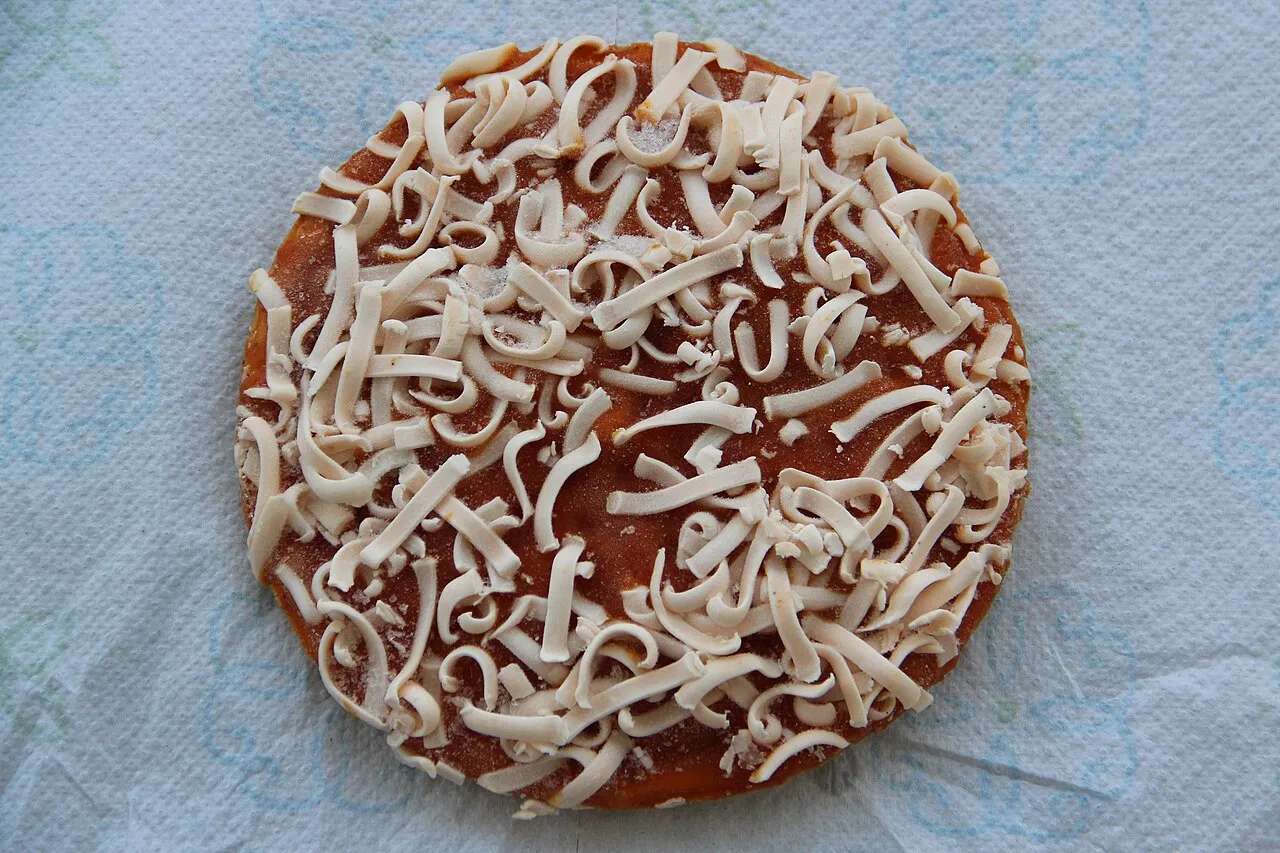
Conagra Brands has officially stopped producing Celeste frozen pizza, drawing the curtain on an 89-year run for one of the most recognizable budget freezer staples in American grocery stores. The food giant confirmed the move during its first-quarter fiscal 2027 earnings call on Sept. 30, 2026, and once existing inventory sells through, the single-serving pizzas will disappear from store shelves for good. For longtime fans, the announcement is a bittersweet farewell to "Mama Celeste" and the quick, inexpensive personal pizzas that defined dorm rooms and late-night dinners for decades. For anyone trying to eat a little smarter, it's also a timely reminder to look past the nostalgia and actually read what's inside a frozen pizza box.
How Conagra Decided to Pull Celeste Off the Shelf
Celeste's fate was sealed by a sweeping portfolio cleanup at Conagra Brands, the packaged-food giant behind names like Healthy Choice, Birds Eye, and Slim Jim. New CEO John Brase—who took the top job in June 2026—told analysts the company is slimming down its product lineup and deliberately walking away from smaller, underperforming brands. "There are certain brands and categories where we simply just don't see a future," Brase said on the call, singling out Celeste as an example of a smaller brand that no longer justifies continued investment.
The pizza's exit is one piece of a much wider culling effort. Conagra has signaled it is rationalizing nearly 400 single-serve frozen meal SKUs while redirecting resources toward categories it believes can grow, including popcorn and meat snacks like Slim Jim. In a frozen-pizza aisle crowded with premium, artisanal, and better-for-you competitors, a value-priced personal pizza built on razor-thin margins simply didn't make the cut. The company's leaders framed the decision as disciplined prioritization rather than a reflection on the brand's heritage.
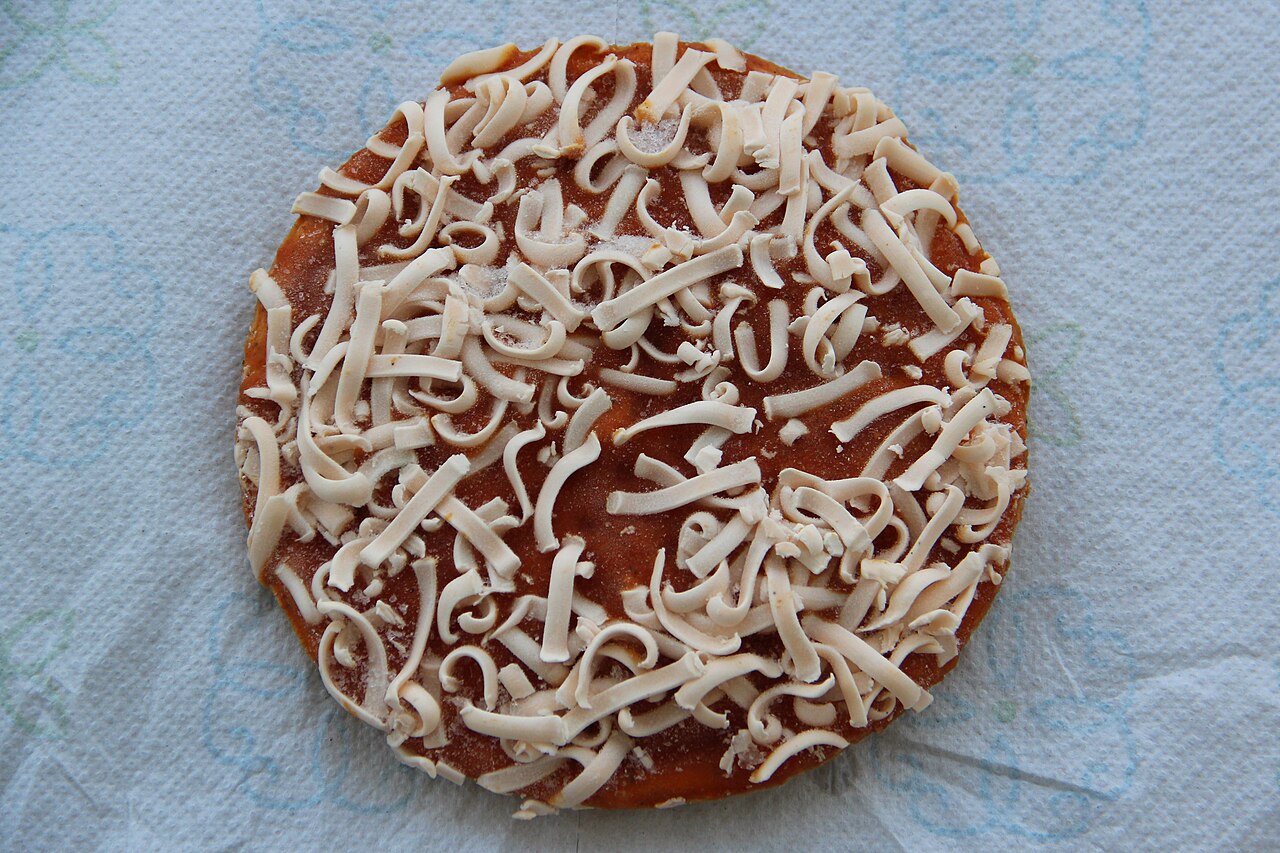
The 89-Year Story of "Mama Celeste"
Celeste wasn't just a brand name—it was a real person. Celeste "Mama" Lizio and her husband Anthony opened a Chicago restaurant in 1937, serving generous plates of pasta to neighborhood regulars and, eventually, the pizzas that would make her famous. In 1962, the couple closed the restaurant and began selling frozen pizzas in bulk to other restaurants, planting the seed for what would become a retail frozen-food institution.
Quaker Oats acquired the brand in 1969 and kept Mama Celeste on as a consultant and brand ambassador well into the 1980s, a rare gesture that underscored how closely her name was tied to the product. The company changed hands several more times over the following decades, eventually landing in the portfolio of Pinnacle Foods, which Conagra acquired in October 2018. Through it all, Celeste's affordable single-serving pizzas remained a fixture: a dorm-room dinner, an after-school snack, and a late-night microwave staple for generations of shoppers.
Timeline: From Chicago Kitchen to the Chopping Block
- 1937 — Celeste "Mama" Lizio and husband Anthony open a restaurant in Chicago.
- 1962 — The Lizios close the restaurant and begin selling frozen pizzas to other eateries.
- 1969 — Quaker Oats buys the Celeste brand; Mama Celeste remains a consultant into the 1980s.
- 2018 — Conagra acquires Pinnacle Foods, bringing Celeste into its portfolio.
- June 2026 — John Brase takes over as Conagra's CEO.
- Sept. 30, 2026 — Conagra reveals it has stopped making Celeste pizza during its fiscal 2027 first-quarter earnings call.
- Early 2027 — The brand is expected to be fully phased out as remaining inventory sells down.
Why This Matters for Your Diet: A Nutrition Reality Check
Beyond the business headlines, Celeste's exit offers a useful gut check for anyone trying to eat healthier. The brand's flagship "Pizza for One" line was engineered for convenience and a low price tag, not for nutrition. A single Celeste pepperoni pizza packed roughly 350 to 410 calories, but the more meaningful number was the sodium: around 880 to 890 milligrams in one small serving—well over a third of the 2,300-milligram daily limit recommended by health authorities.
The Environmental Working Group's food database went even further, classifying Celeste Pizza for One as an "unhealthy ultra-processed food." That's a common pattern among budget frozen pizzas: refined white-flour crusts, processed meats, and preservatives designed to keep a five-ounce pie shelf-stable for months. None of that is a problem on its own, and an occasional convenience meal isn't going to derail a healthy routine. But it's exactly the kind of item nutritionists suggest treating as a rare treat rather than a go-to dinner.
Healthier Frozen Pizza Swaps to Reach For Instead
The good news is that losing a nostalgic budget brand doesn't mean giving up frozen pizza altogether. Dietitians generally point to a few simple upgrades when scanning the freezer aisle:
- Check the sodium: Look for pies under roughly 600 mg of sodium per serving—about a third less than classic budget options like Celeste.
- Prioritize vegetables and lean proteins: Veggie-loaded, grilled chicken, or thin-crust varieties tend to be lighter than processed-pepperoni pies.
- Read the serving size: A "personal" pizza that lists the whole pie as one serving can quietly pack a full meal's worth of calories, fat, and salt.
- Look for better bases: Cauliflower, chickpea, and whole-grain crusts often deliver more fiber and protein per slice than refined white flour.
Where Things Stand Now
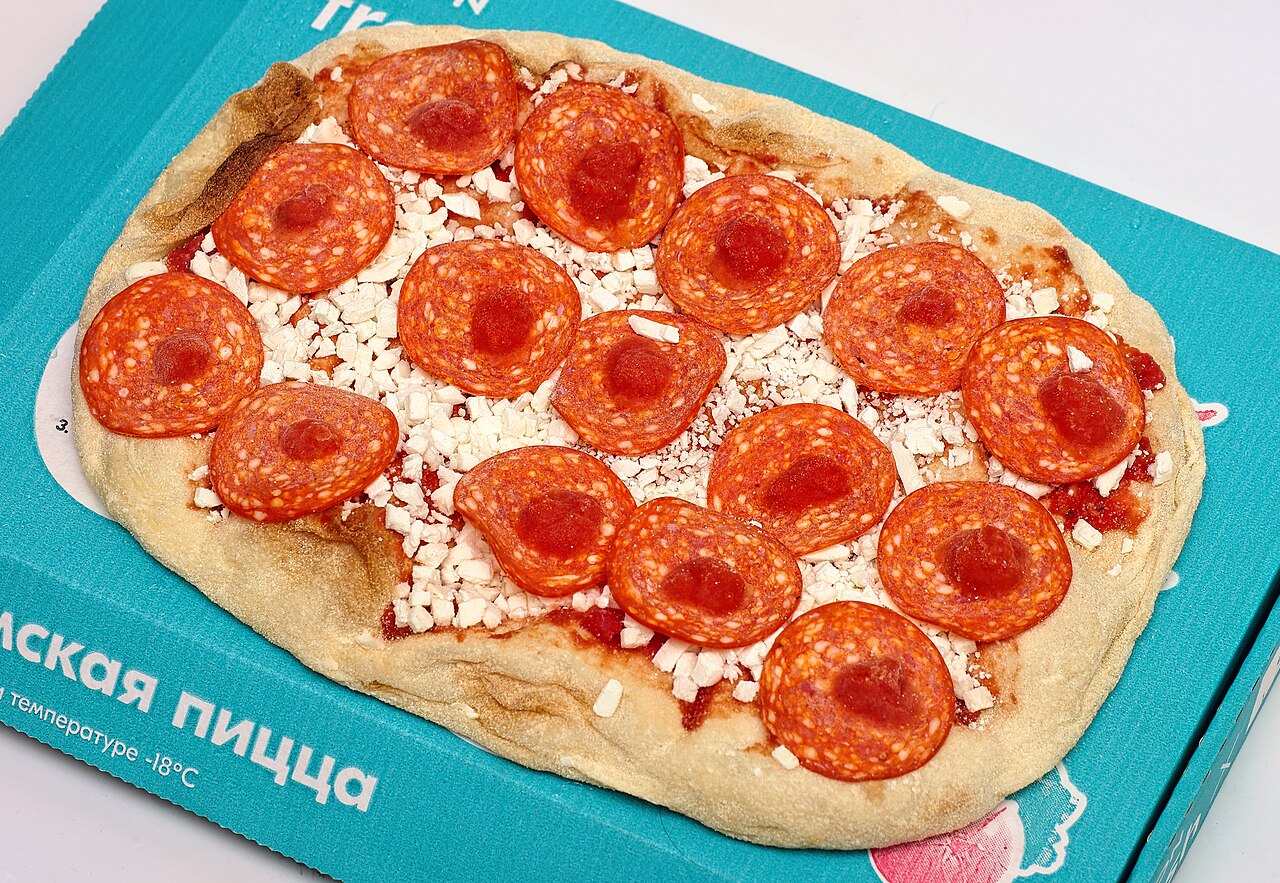
For the moment, Celeste pizzas may still be sitting in some grocery freezers. Conagra has stopped production, but the company said remaining inventory will continue to be sold until it's gone—so shoppers may spot the familiar boxes for a few more weeks or months. Once that stock sells through, the brand is expected to be fully phased out by early 2027. That means anyone with a craving (or a nostalgic streak) still has a small window to grab a box before it vanishes.
What Happens Next for the Frozen Aisle
Celeste is unlikely to be the last casualty of Conagra's turnaround. The company has said it is still reviewing its portfolio for additional brands and SKUs to cut, with the goal of simplifying operations and concentrating on faster-growing categories. For frozen-food shoppers, that could translate into fewer budget single-serve options over time—and for health-conscious consumers, a quiet nudge toward more thoughtfully made, lower-sodium choices. Either way, the era of the ultra-cheap personal pizza is getting a little smaller.
Key Takeaways
- Conagra Brands has stopped producing Celeste frozen pizza and will phase the brand out as remaining inventory sells through.
- The move was announced Sept. 30, 2026, by new CEO John Brase as part of a broad portfolio simplification.
- Celeste's roots go back to 1937, when "Mama" Celeste Lizio opened a Chicago restaurant.
- Classic Celeste personal pizzas delivered roughly 350–410 calories and around 880–890 mg of sodium each.
- Healthier swaps include lower-sodium, veggie-topped, and whole-grain or cauliflower-crust frozen pizzas.