
If you've been looking for another reason to keep that Chobani Greek yogurt in your weekly rotation, groundbreaking new research from Mass General Brigham and Harvard has delivered one of the most compelling health arguments yet. Published in February 2025 in the journal Gut Microbes, a large-scale study spanning three decades found that eating just two or more servings of yogurt per week was associated with a 20 percent lower incidence of a specific type of colorectal cancer — and the key may lie in the very probiotics that make Greek yogurt a nutritional powerhouse.
How Yogurt Fights Colon Cancer: The Science Behind the Study
Researchers analyzed data from the Nurses' Health Study (over 100,000 women tracked since 1976) and the Health Professionals Follow-up Study (51,000 men tracked since 1986), documenting more than 3,000 cases of colorectal cancer. What they discovered was striking: participants who regularly consumed yogurt had significantly lower rates of Bifidobacterium-positive proximal colon cancer — a particularly aggressive form of the disease that occurs in the right side of the colon and carries worse survival outcomes.

About 30 percent of colorectal cancer patients had detectable Bifidobacterium in their tumor tissue. The study's lead author, Dr. Shuji Ogino of Mass General Brigham and Harvard, explained: "Our study provides unique evidence about the potential benefit of yogurt. My lab's approach is to try to link long-term diets and other exposures to a possible key difference in tissue — such as the presence or absence of a particular species of bacteria." The researchers hypothesize that long-term yogurt intake may reduce cancer risk by positively altering the gut microbiome.
Timeline: How the Evidence for Yogurt's Health Benefits Has Built
1976 & 1986: The Nurses' Health Study and Health Professionals Follow-up Study begin enrolling participants, eventually covering more than 150,000 individuals over decades of dietary tracking.
2005: Chobani is founded by Hamdi Ulukaya in upstate New York, bringing authentic strained Greek yogurt to the American market.
2010s: Multiple studies published in journals like the American Journal of Clinical Nutrition establish links between yogurt consumption, improved gut health, and reduced inflammation.
December 2020: Chobani doubles down on probiotics, debuting new lines of yogurt cups and drinks focused on immune health benefits.
October 2024: Chobani announces the launch of its new High Protein Greek Yogurt range, set to hit shelves in January 2025, with 20g of protein per serving.
February 2025: The Mass General Brigham study is published in Gut Microbes, finding that 2+ weekly servings of yogurt reduces Bifidobacterium-positive proximal colon cancer risk by 20 percent.
Why Chobani Greek Yogurt Stands Out for Health-Conscious Consumers
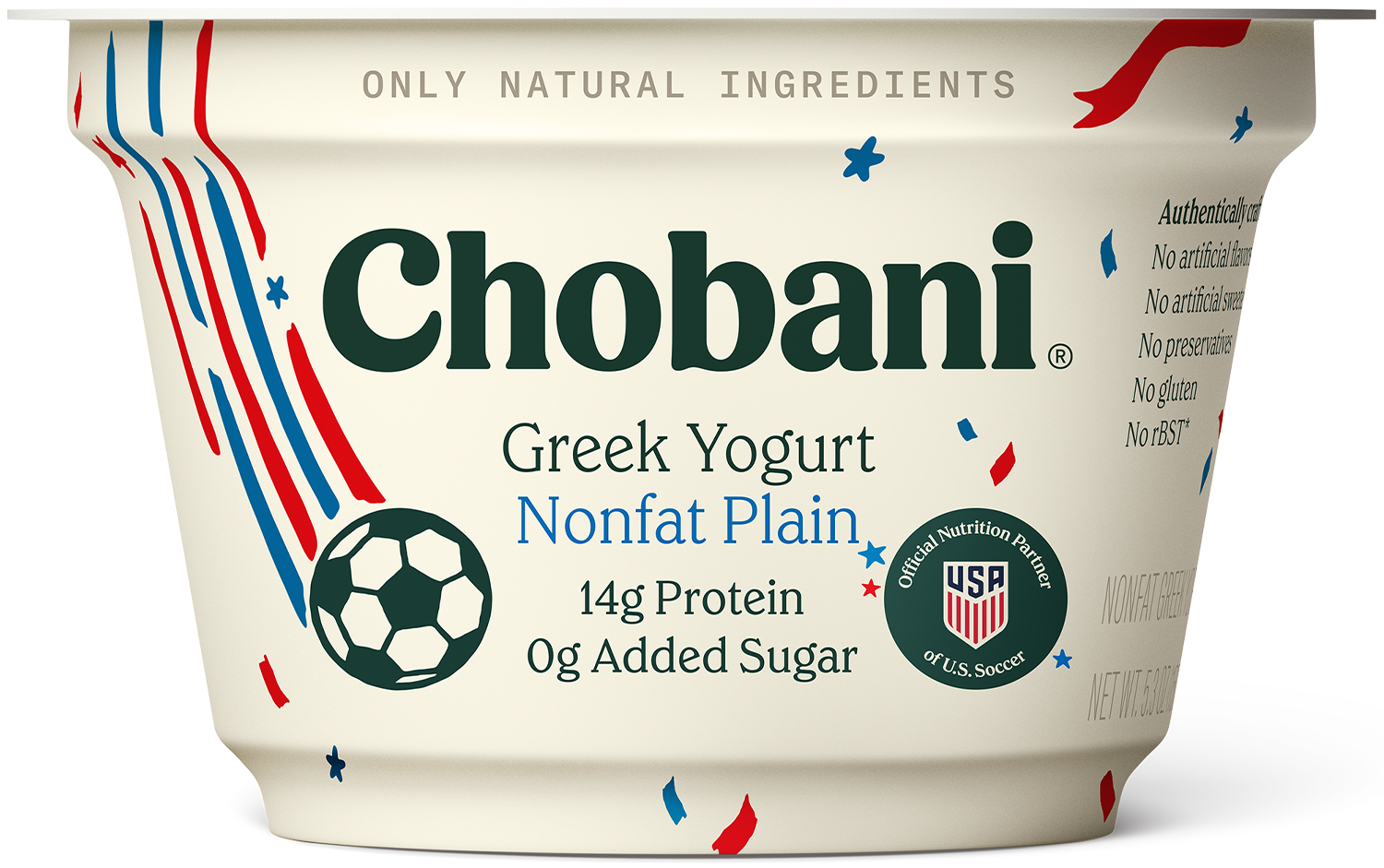
Chobani has positioned itself as America's number one Greek yogurt brand by prioritizing what health-conscious eaters want most: high protein, natural ingredients, and probiotics that support gut health. A standard 5.3-ounce serving of Chobani Greek yogurt delivers 12-15 grams of protein — roughly double that of regular yogurt — along with calcium, potassium, and live active cultures including the Bifidobacterium strains highlighted in the new cancer research.
In January 2025, Chobani expanded its high-protein lineup with new spoonable cups (20g protein in vanilla, strawberry kiwi, mango, raspberry lemon, and cherry berry) and drinkable options ranging from 15g to 30g of protein per bottle. All are lactose-free, made with only natural ingredients, and contain no artificial sweeteners. As a Chobani spokesperson told DairyReporter: "More than half of US consumers are looking to increase their protein intake, and Chobani High Protein directly addresses a consumer demand for the popular macronutrient."
The shift in consumer fitness habits is driving this demand. "Gone are the days of cardio and deprivation as strength training and positive nutrition have gained popularity," the Chobani spokesperson noted. "Large swaths of the population now understand that muscle and strength play a critical role in staying active, helping prevent injuries, and maintaining a healthy metabolism."
Where Things Stand Now: Yogurt's Role in Your Daily Diet
The research is clear: incorporating yogurt into your regular diet is one of the simplest, most evidence-backed dietary changes you can make. The Mass General Brigham study specifically points to the importance of choosing yogurts with live and active cultures — like Chobani's Greek yogurt, which contains Bifidobacterium and other beneficial probiotic strains. Dr. Tomotaka Ugai, co-senior author of the study from Harvard, noted: "It has long been believed that yogurt and other fermented milk products are beneficial for gastrointestinal health. Our new findings suggest that this protective effect may be specific for Bifidobacterium-positive tumors."
For optimal health benefits, experts recommend aiming for two or more servings of probiotic-rich Greek yogurt per week. A single 5.3-ounce serving of Chobani Greek yogurt provides 14g of protein (28% of your daily value), along with essential nutrients like calcium and vitamin B12 — making it a nutrient-dense choice that fits seamlessly into a balanced diet. The yogurt is also an excellent post-workout snack, supporting muscle recovery and keeping you full between meals thanks to its high protein content.
What's Next: The Future of Yogurt and Cancer Prevention Research
The research team, funded by Cancer Research UK through the Cancer Grand Challenges initiative, plans to dig deeper into the connection between gut bacteria and cancer development. They aim to better understand how specific probiotic strains like Bifidobacterium interact with the body's immune system to potentially prevent tumor formation. Co-author Dr. Andrew Chan of Massachusetts General Hospital added: "This paper adds to the growing evidence that illustrates the connection between diet, the gut microbiome, and risk of colorectal cancer. It provides an additional avenue for us to investigate the specific role of these factors in the risk of colorectal cancer among young people."
As the scientific community continues to unravel the complex relationship between diet and disease, one thing is certain: that daily cup of Chobani Greek yogurt is doing more for your body than you might have realized.
Key Takeaways: What You Need to Know
- Eat yogurt twice a week: The Mass General Brigham study found that 2+ servings of yogurt per week was linked to 20% lower rates of Bifidobacterium-positive proximal colon cancer.
- Choose Greek yogurt for maximum protein: Chobani Greek yogurt contains 12-15g of protein per serving — double that of regular yogurt — helping with satiety, muscle maintenance, and weight management.
- Look for live active cultures: Probiotic strains like Bifidobacterium and Lactobacillus are what make yogurt a functional food for gut health.
- Prioritize natural ingredients: Chobani's Greek yogurts are made with only natural, non-GMO ingredients and no artificial sweeteners — aligning with expert recommendations for a clean, whole-foods diet.
- Yogurt fits any lifestyle: Whether you choose spoonable cups or drinkable options, Chobani's High Protein range offers 15-30g of protein in lactose-free formulations suitable for most dietary needs.