In a move that has health experts nodding in grim validation, Coca-Cola recently recalled its drinks across Europe after discovering elevated levels of a chemical called chlorate. This latest safety concern adds to a growing mountain of evidence linking sugary beverages to serious health risks, from heart disease to irregular heart rhythms. As public health advocates push the Olympics to sever its nearly century-long sponsorship with the soda giant, new research confirms what nutritionists have long warned: regular consumption of sugar-sweetened drinks like Coca-Cola poses significant dangers that even rigorous exercise cannot offset.
The European Recall: What Happened and Why It Matters
Coca-Cola’s recall in January 2025 wasn’t a minor market adjustment—it was a significant safety action affecting multiple countries including Belgium, Luxembourg, the Netherlands, France, Germany, and the United Kingdom. The company identified “higher levels” of chlorate, a chemical byproduct of chlorine disinfectants used in water treatment and food processing. According to the BBC, affected products included core brands like Coke, Fanta, Sprite, Tropico, and Minute Maid, with specific production codes shipped to Britain already sold to consumers.
While Coca-Cola stated that “independent expert analysis concludes that any associated risk for consumers is very low,” health authorities sounded more cautious. Exposure to high levels of chlorate can cause thyroid problems, particularly in children and infants. The European Food Safety Authority noted in a 2015 opinion that long-term exposure poses a potential health concern for children, especially those with mild or moderate iodine deficiency. NHS nutritionist Caron Grazette told the BBC, “We need to question whether or not we want to digest chemicals in soft drinks which are used in the production of fireworks and disinfectants, however small the quantity.”
From Sponsorship Controversies to Health Studies: Key Moments
The recall controversy comes amid growing scrutiny of Coca-Cola’s role as a major Olympic sponsor. Public health advocates from organizations like Vital Strategies published an editorial in BMJ Global Health urging the International Olympic Committee to cut ties with Coca-Cola, arguing that promoting sugary beverages contradicts the IOC’s mission to champion athletes’ health. “In the interest of health for all, promoting unhealthy sugary drinks clearly has no place in sport,” wrote Trish Cotter and Sandra Mullin.
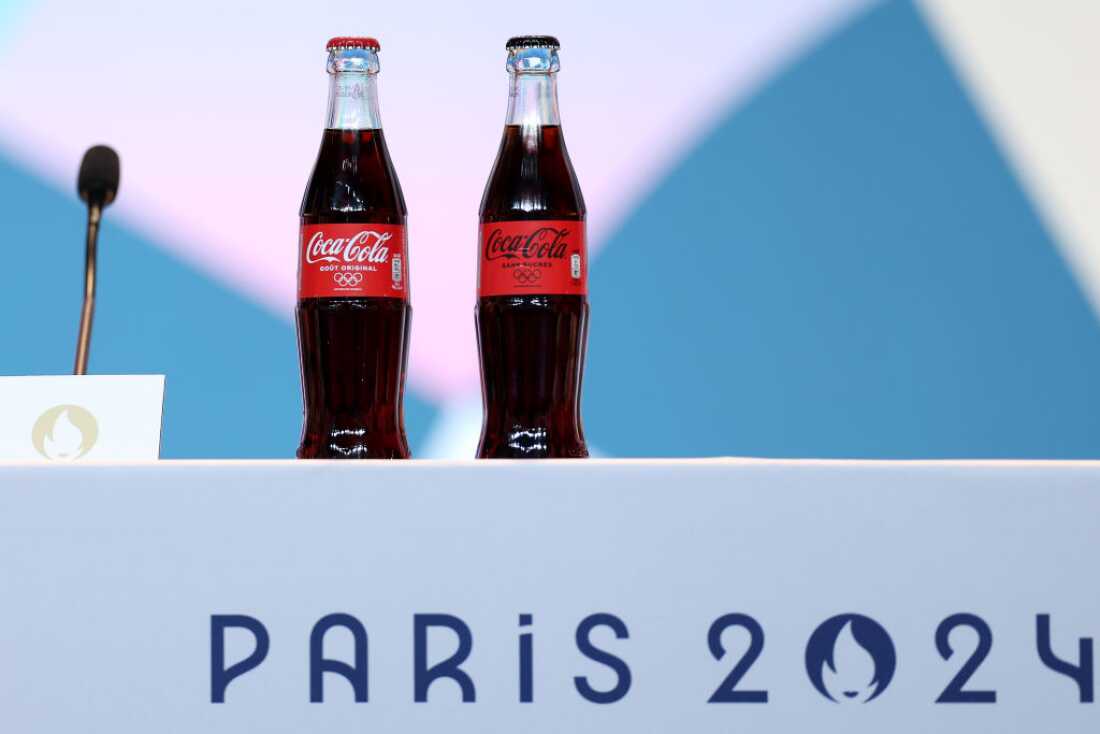
The sponsorship debate gained momentum after Portuguese soccer star Cristiano Ronaldo famously moved Coca-Cola bottles out of camera view during a 2021 press conference, raising a bottle of water instead—a gesture that reportedly triggered a $4 billion drop in the company’s market value. This incident highlighted the powerful influence athletes have on public health perceptions and intensified calls for sports organizations to distance themselves from sugary drink promotion.
The Science Behind Sugar-Sweetened Beverages and Heart Health
Beyond sponsorship controversies, the scientific evidence against regular soda consumption continues to mount. A landmark study from Harvard T.H. Chan School of Public Health, published in The American Journal of Clinical Nutrition, examined data from over 100,000 Americans across 30 years. Researchers found that adding just one sugary drink per day was associated with an 18% increased risk of cardiovascular disease—regardless of how much a person exercised.
Even more startling: participants who consumed two or more sugar-sweetened beverages daily while meeting CDC-recommended exercise guidelines (150 minutes of moderate activity per week) still had a 21% higher risk of developing cardiovascular disease compared to those who rarely or never consumed such drinks. “These findings provide further support for public health recommendations and policies to limit people’s intake of sugar-sweetened beverages,” said lead author Lorena Pacheco.
Where Things Stand: Ongoing Debates and Consumer Awareness
The health concerns extend beyond traditional sugar to artificial sweeteners as well. Research published in the American Heart Association’s journal Circulation: Arrhythmia and Electrophysiology found that adults who drank two liters or more per week of artificially sweetened beverages had a 20% higher risk of atrial fibrillation (an irregular heart rhythm), while those consuming similar amounts of sugar-sweetened drinks had a 10% increased risk. In contrast, drinking one liter or less of pure, unsweetened juice per week was associated with an 8% lower AFib risk.

“Do not take it for granted that drinking low-sugar and low-calorie artificially sweetened beverages is healthy—it may pose potential health risks,” warned lead researcher Ningjian Wang, M.D., Ph.D. These findings challenge the common perception that diet sodas are a safe alternative, adding to the growing body of evidence that both sugar-sweetened and artificially sweetened beverages should be limited or avoided.
Healthier Alternatives: What to Drink Instead
Faced with these health risks, what should health-conscious consumers choose? Nutrition experts universally recommend water as the optimal beverage for hydration and overall health. For those seeking flavor, unsweetened tea or coffee, sparkling water with a splash of citrus, or small amounts of pure fruit juice (without added sugar) provide alternatives. The American Heart Association suggests fat-free or low-fat milk as another healthy option, while emphasizing that half a cup of pure juice counts as one fruit serving.
Public health organizations are increasingly advocating for policy changes as well, from sugar-sweetened beverage taxes to stricter marketing regulations—particularly to protect children from targeted advertising. As Marion Nestle, professor emerita of nutrition at New York University, noted regarding Coca-Cola’s Olympic sponsorship: “Too much money is at stake for the IOC to refuse it.” Yet consumer awareness and demand for healthier options continue to grow, putting pressure on both corporations and sports organizations to prioritize public health over sponsorship dollars.
Key Takeaways for Your Health
The evidence against regular consumption of Coca-Cola and similar sugary drinks is now overwhelming: from chemical contamination risks to increased cardiovascular disease and atrial fibrillation risks, the health impacts extend far beyond empty calories. While occasional consumption may not cause immediate harm, making these beverages a regular part of your diet contradicts fundamental health principles. For those committed to fitness and healthy eating, eliminating or drastically reducing sugar-sweetened and artificially sweetened beverages represents one of the most effective dietary changes you can make. Your heart—and your overall health—will thank you.