
As St. Patrick's Day approaches, corned beef and cabbage takes center stage on dinner tables across America. While this traditional dish is often associated with celebration and heritage, many health-conscious individuals wonder how it fits into a balanced diet. With rising food prices and increasing focus on nutritional value, understanding the health implications of this classic meal has never been more relevant.
Breaking Down the Nutrition: What's Really in Your Plate
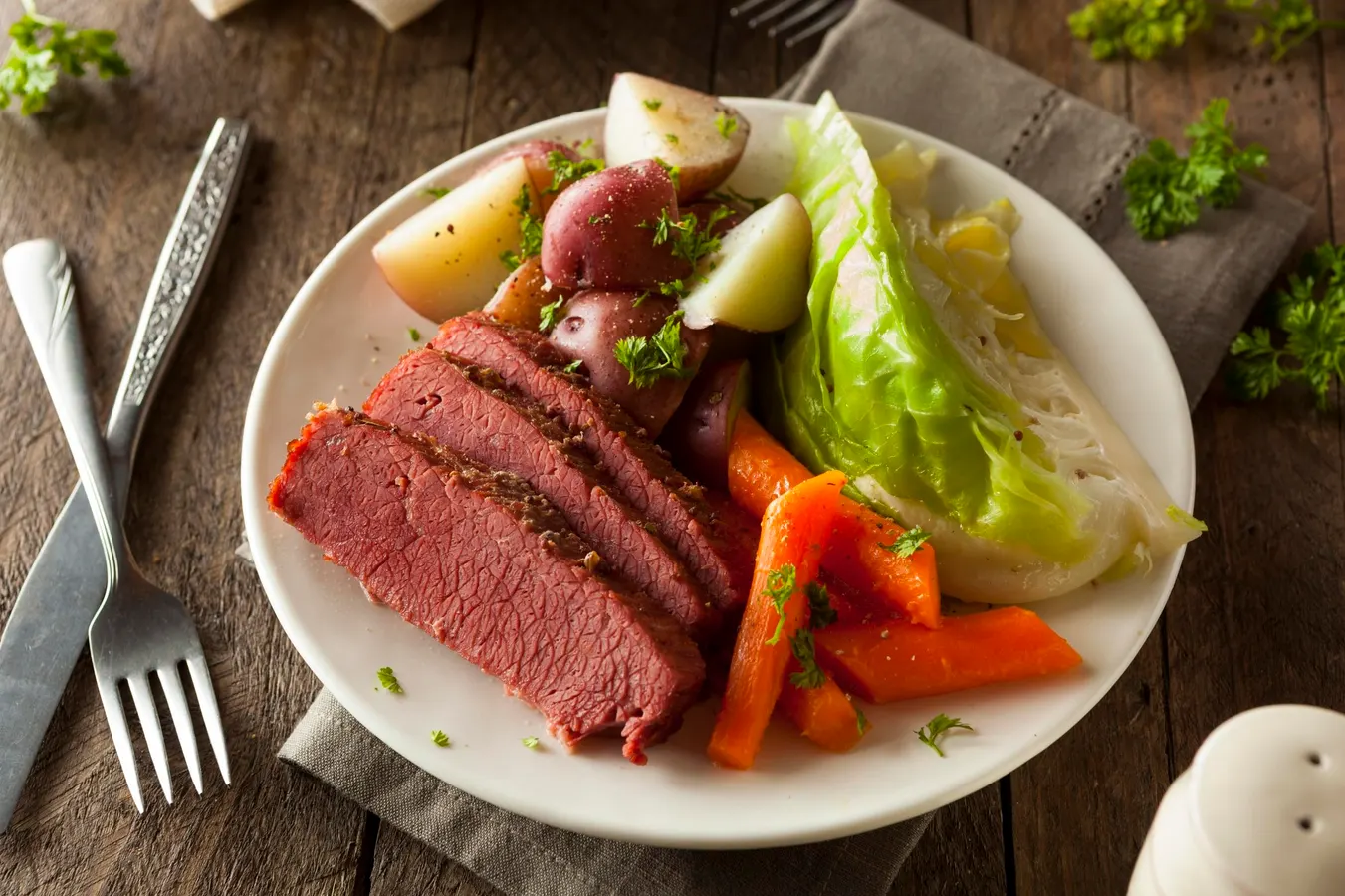
A 3-ounce serving of cooked corned beef brisket contains approximately 213 calories, 15.5 grams of protein, and 16.2 grams of fat, according to nutritional data from Healthline. This portion also provides 827 milligrams of sodium – about 36% of the recommended daily value – making sodium content a significant consideration for those monitoring their intake. On the vegetable side, cabbage contributes essential nutrients with minimal calories. One cup of cooked cabbage contains just 35 calories while providing vitamin C, vitamin K, and dietary fiber.
From Irish Immigrants to American Tradition: A Brief History
The association between corned beef and St. Patrick's Day is actually an Irish-American innovation rather than a tradition from Ireland itself. As Forbes explains, when Irish immigrants arrived in America in the 19th century, they found corned beef to be more affordable than traditional Irish bacon. Paired with inexpensive cabbage, this combination became a symbol of cultural adaptation and celebration. Today, corned beef represents 53% of all retail beef brisket dollar sales, with 67% of sales by volume occurring in the four weeks surrounding St. Patrick's Day.
Health Benefits vs. Risks: What Experts Say
Registered dietitian Karina Chiddo of Cohen Children's Medical Center notes that cabbage offers substantial nutritional benefits. "It is a good source of vitamin C, manganese and folic acid, and is great for phytonutrients and antioxidants," she told Fox News Digital. These compounds can help reduce inflammation and support heart health. The corned beef component provides high-quality protein and essential nutrients like vitamin B12, iron, and selenium, which support nerve function and energy production. However, experts caution about the high sodium and saturated fat content, recommending moderation especially for individuals with hypertension or cardiovascular concerns.
St. Patrick's Day 2025: Rising Costs and Consumption Trends
According to price tracking by the State Journal-Register, a simple corned beef dinner now costs just over $20 in many markets, representing a 14.6% increase from 2024 prices. Despite these rising costs, seasonal sales of corned beef typically account for 85-90% of annual sales in the weeks surrounding St. Patrick's Day. This economic data highlights both the enduring popularity of the tradition and the impact of food inflation on holiday celebrations.
Healthier Alternatives for the Modern Eater
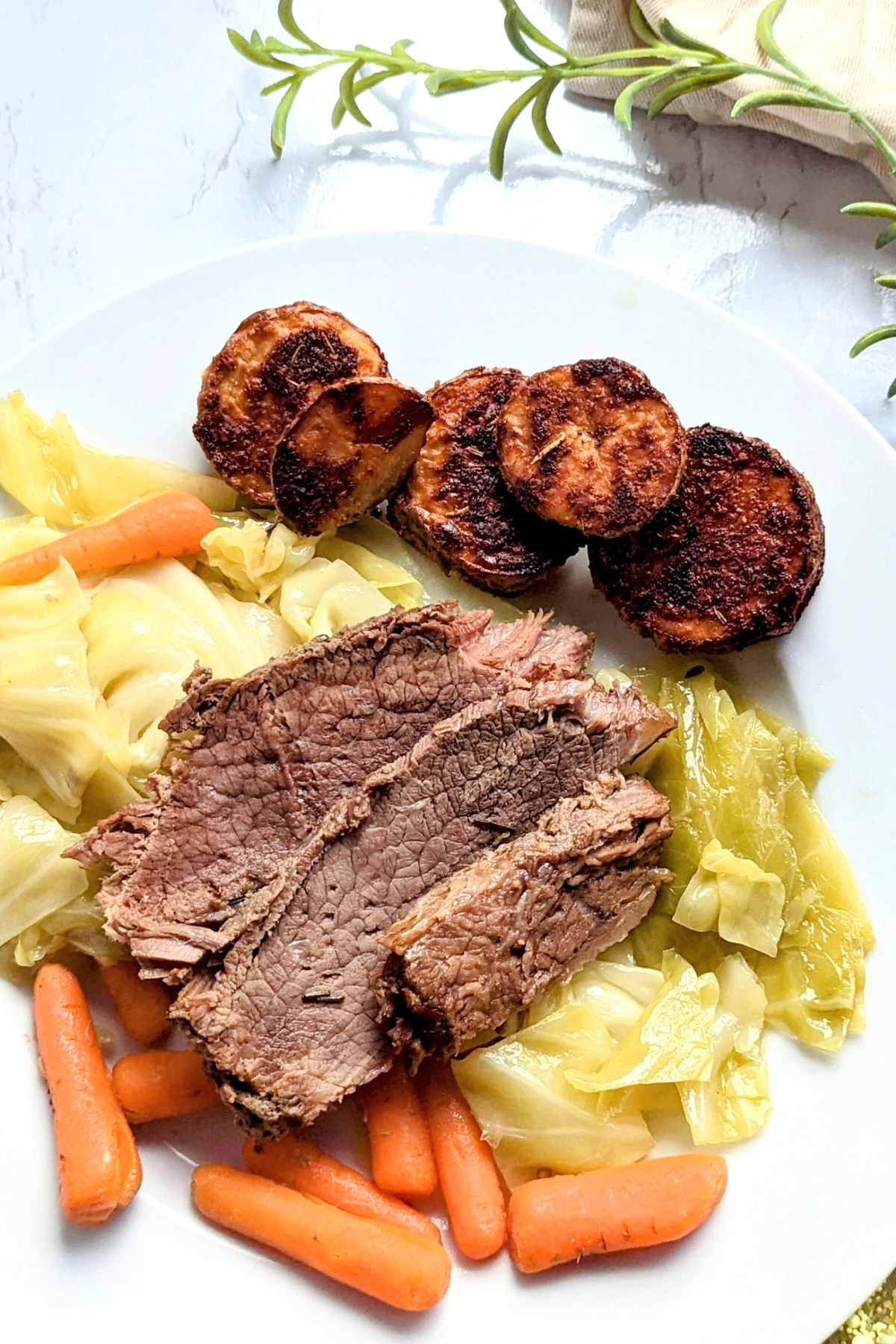
For those concerned about sodium, low-sodium corned beef options are increasingly available. Low So Recipes offers a homemade version that marinates brisket overnight in a salt-free brine, significantly reducing sodium content while maintaining flavor. Other modifications include using leaner cuts of beef, increasing the proportion of cabbage and vegetables, and incorporating whole grains like barley or rye bread. Some nutritionists suggest alternative protein sources like turkey or vegetarian substitutes for those seeking lower-fat options while maintaining the traditional flavors.
The Bottom Line: Enjoying Tradition Mindfully
Corned beef and cabbage can be part of a healthy diet when consumed in moderation and prepared thoughtfully. Key considerations include portion control, sodium awareness, and balancing the meal with additional vegetables. As with any traditional food, the cultural and social value of sharing this meal with loved ones also contributes to overall well-being. By understanding both the nutritional profile and historical context, health-conscious individuals can make informed choices that honor tradition while supporting their wellness goals.