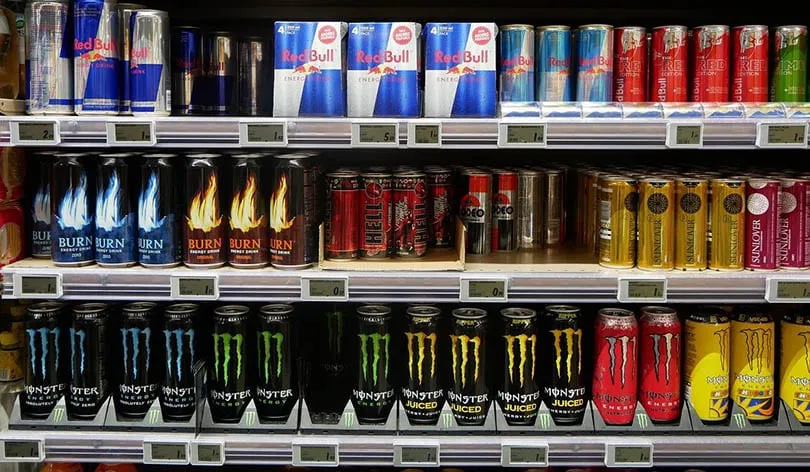
A new medical case study has revealed a startling connection between heavy energy drink consumption and stroke risk, raising urgent concerns about the safety of these popular beverages. Published in BMJ Case Reports and covered by major health organizations, the research highlights how otherwise healthy individuals can suffer severe cardiovascular events from regular energy drink use.
How Energy Drinks Can Lead to Stroke: A Case Study
Doctors in Nottingham, England, documented the case of a fit and healthy man in his 50s who suffered a stroke that left him with permanent numbness in his hands and feet. The patient had been consuming an average of eight energy drinks daily – totaling approximately 1,200 milligrams of caffeine, three times the recommended maximum of 400 milligrams for adults.
When admitted to hospital, his blood pressure measured an extremely dangerous 254/150 mmHg. Despite aggressive drug treatment, his blood pressure remained persistently high until doctors discovered his energy drink habit. Once he stopped consuming the beverages, his blood pressure returned to normal without medication.
"It was therefore thought to be likely that the patient's consumption of highly potent energy drinks was, at least in part, a contributive factor to his secondary hypertension and in turn his stroke," the doctors wrote in their case report.

The patient, who spoke anonymously, expressed regret about his lack of awareness: "I obviously wasn't aware of the dangers drinking energy drinks were causing to myself. I have been left with numbness in my left-hand side hand and fingers, foot and toes even after eight years."
Timeline: The Growing Concerns About Energy Drink Safety
The warning about energy drinks isn't new, but recent developments have intensified concerns. In November 2024, Cleveland Clinic neurocritical care specialist Dr. Marc-Alain Babi emphasized that energy drinks are not regulated by the FDA, allowing brands to add excessive amounts of stimulants, sugar, and artificial sweeteners without oversight.
December 2024 brought two significant studies: The BMJ case report from England and a large-scale study published in Frontiers in Public Health that found sugary drinks significantly increase cardiovascular disease risk. The Frontiers research, analyzing nearly 70,000 participants, revealed that sweetened beverages raise the risk of stroke, heart failure, and atrial fibrillation more than other sugar sources.
"The most striking finding from our study is the divergent relationship between different sources of added sugar and cardiovascular disease risk," said Suzanne Janzi, PhD candidate at Lund University and corresponding author of the Frontiers study. "This surprising contrast highlights the importance of considering not just the amount of sugar consumed, but its source and context."
Why Energy Drinks Pose Serious Health Risks
Energy drinks combine multiple dangerous elements that can overwhelm the cardiovascular system. According to MultiCare registered dietitian Lisa Lovejoy, these beverages typically contain 80-300 milligrams of caffeine per can or bottle, plus herbal additives like guarana and yerba mate that contain additional caffeine not always listed on labels.
The sugar content is equally alarming. Lovejoy notes that energy drinks can contain 25-93 grams of sugar per serving, while the recommended daily intake is just 24 grams for women and 36 grams for men. "So one of these drinks, depending on the size, can contain three to four days' worth of sugar in it," she explains.
Dr. Babi from Cleveland Clinic warns that excessive caffeine consumption can lead to dehydration, high blood pressure, increased heart rate, anxiety, and insomnia. More seriously, it can trigger stroke or heart attack, particularly in people with underlying cardiac conditions.
"While the rate of complication from energy drinks is fairly low, not everyone who consumes energy drinks will experience serious side effects," Dr. Babi notes. "But when those serious side effects happen, it can have pretty serious long-term outcomes, such as stroke. Hence the recommendation to be extremely cautious."
Where Regulations Stand Today
Unlike foods and drugs, energy drinks face minimal regulatory oversight in the United States. The FDA does not limit caffeine content in beverages, nor does it require companies to list accurate caffeine quantities when herbal additives are involved. This regulatory gap has allowed the energy drink market to grow exponentially while health concerns mount.
The doctors behind the BMJ case report have called for tighter regulation of sales and advertising, particularly since marketing often targets younger demographics. "There is regular publicity about health effects of alcohol and smoking, but little about the increasingly prevalent modifiable lifestyle trend of energy drink consumption," they wrote.
Similarly, the American Academy of Pediatrics recommends that children and teens avoid energy drinks altogether due to their high caffeine and sugar content. "Smaller bodies react more strongly to high doses of caffeine that are designed for adults, so the effects may be intensified," Lovejoy explains. "Young people are still growing and developing and we don't know how stimulants like caffeine will affect them over time."
What Consumers Should Do to Protect Their Health
Given the risks, health experts recommend several safer alternatives for energy boosts. MultiCare dietitians suggest drinking water first (since fatigue can signal dehydration), eating a healthy snack, taking a short walk, or chewing non-caffeinated gum. For those who need caffeine, green or black tea provides a gentler boost with antioxidants.
If you choose to consume energy drinks, Lovejoy advises selecting options with lower caffeine and sugar content, drinking no more than one can at a time, and limiting consumption to two per day at most. More importantly, she suggests examining why you feel the need for energy drinks in the first place.
"When people are regularly consuming energy drinks or other highly caffeinated beverages, it's often because there's an underlying issue that isn't being addressed," says Alix Leestma, a registered dietitian at MultiCare. "Maybe they aren't getting enough sleep, eating enough nutritious food – or there could be an underlying medical problem that's causing ongoing fatigue."
Particular caution is needed when mixing alcohol with energy drinks. Research shows this combination can increase risky behavior and binge drinking because the stimulants mask alcohol's depressant effects, leading people to consume more than they realize.
The Bottom Line: Key Points to Remember
The evidence is clear that heavy energy drink consumption poses significant health risks. To protect your cardiovascular health:
- Limit energy drink consumption or avoid them entirely
- Never exceed 400 milligrams of caffeine daily (about 2-3 cups of coffee)
- Avoid giving energy drinks to children and teenagers
- Don't mix energy drinks with alcohol
- Choose water, tea, or healthy snacks for natural energy boosts
- Consult a healthcare provider if you experience persistent fatigue
As research continues to uncover the dangers of these popular beverages, the medical community urges greater public awareness and regulatory action to prevent more cases of preventable stroke and heart disease.