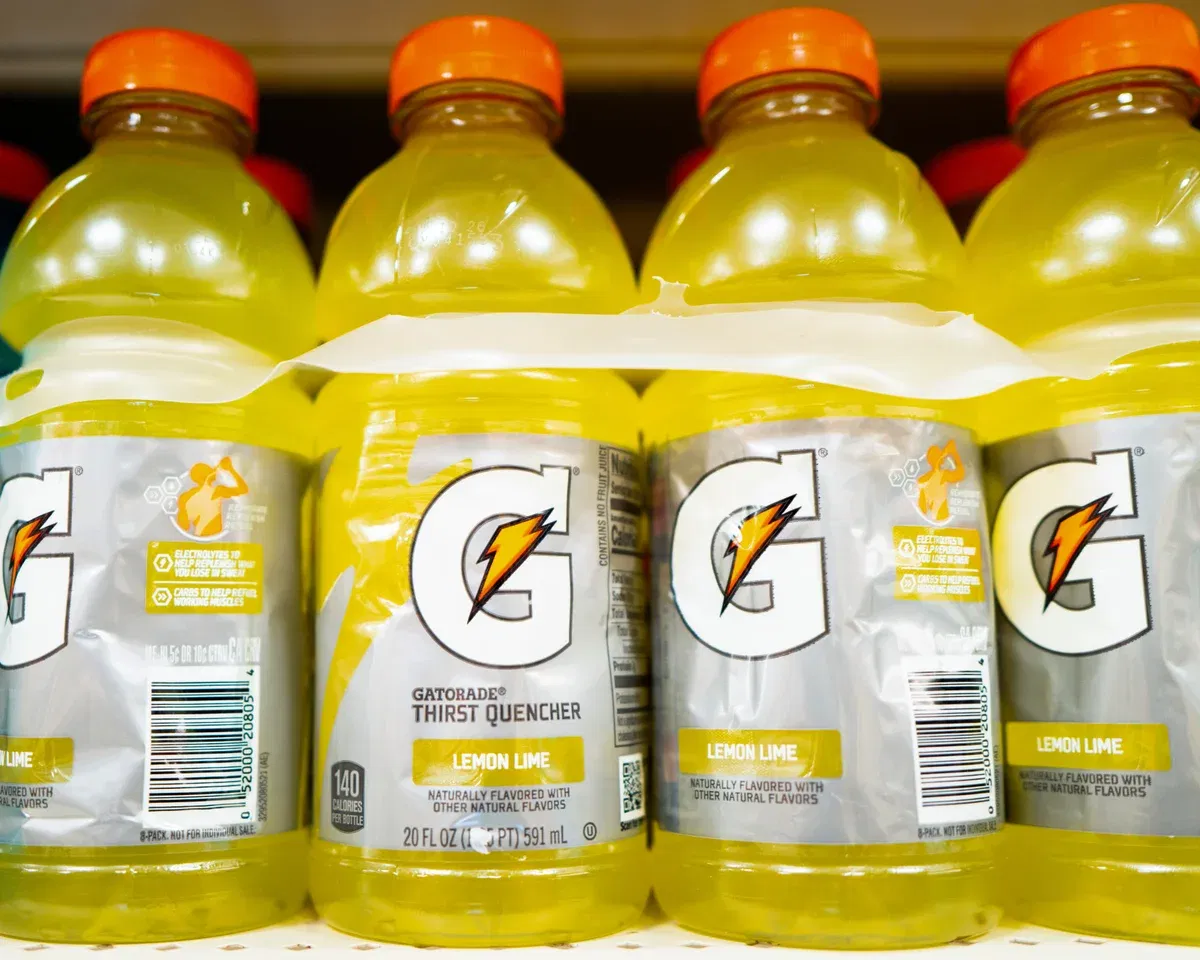
If you have a bottle of Gatorade in your fridge or gym bag, take a closer look at the label before your next sip. PepsiCo is voluntarily recalling more than 122,000 cases of Gatorade across 37 states after discovering that several flavors contain undeclared food dyes—a labeling oversight that could pose a risk for people with sensitivities. The U.S. Food and Drug Administration (FDA) published the enforcement report on Oct. 2, 2026, flagging four varieties of the popular sports drink: 28-ounce bottles of Gatorade Lemon Lime, Lemon Lime Zero, Orange, and Orange Zero.
Here is everything you need to know about the Gatorade recall—which products are affected, why the dyes matter for your health, and what to do if you already purchased one of the recalled bottles.
PepsiCo Pulls 122,021 Cases of Gatorade Over Undeclared Dyes
The recall covers 122,021 cases of 28-ounce Gatorade bottles distributed across 37 states, according to the FDA enforcement report. The reason for the recall is simple but significant: the beverages contain Yellow No. 5 and/or Yellow No. 6, synthetic food dyes that were not listed on the product label.
PepsiCo initiated the recall on Sept. 25, and it remains ongoing. The FDA classified it as a Class II recall, which the agency defines as "a situation in which use of or exposure to a violative product may cause temporary or medically reversible adverse health consequences or where the probability of serious adverse health consequences is remote."
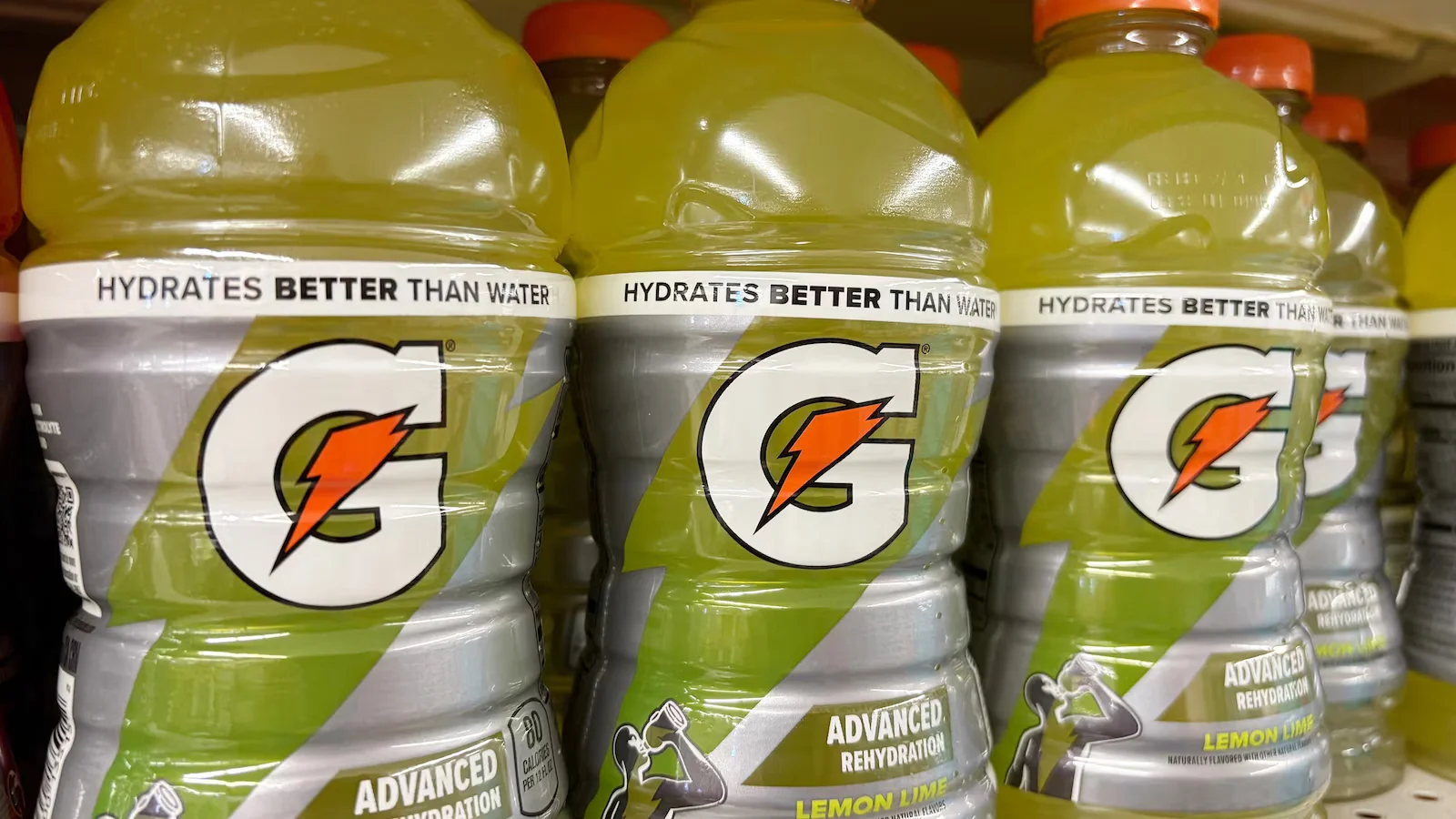
The affected products—all in 28-ounce bottles—are Gatorade Lemon Lime, Gatorade Lemon Lime Zero, Gatorade Orange, and Gatorade Orange Zero. The recall does not appear to affect other Gatorade flavors or sizes, including the smaller 20-ounce bottles widely sold at convenience stores and gas stations.
Timeline: How the Gatorade Recall Unfolded
The recall moved quickly from an internal quality check to a nationwide public notice:
- Sept. 25, 2026: PepsiCo initiates the voluntary recall, pulling affected cases from distribution.
- Oct. 2, 2026: The FDA publishes its enforcement report, making the recall public.
- Oct. 5–6, 2026: National outlets including ABC News, The Washington Post, The Guardian, and TODAY report on the recall, spreading the word to consumers in 37 states.
- Ongoing: The recall remains active as retailers remove affected bottles from shelves.
Why Undeclared Food Dyes Matter for Your Health
Yellow No. 5 (tartrazine) and Yellow No. 6 are synthetic color additives used to give foods and drinks their bright, appealing hues. While both dyes are approved for use by the FDA, the problem with this recall is not that the dyes are illegal—it is that they were not disclosed on the label.
For most people, the dyes are harmless. But for a small subset of consumers, undeclared dyes can trigger real problems. According to the FDA and health experts, Yellow No. 5 and Yellow No. 6 can, in rare cases, cause allergic-type reactions such as hives, itching, and asthma attacks. The Washington Post noted the drinks contain Yellow No. 6 and/or Yellow No. 5, "which, in rare cases, can trigger allergic-type reactions."
Beyond allergies, synthetic food dyes have drawn broader scrutiny. Some research has linked artificial dyes—including Yellow No. 5 and Yellow No. 6—to hyperactivity and behavioral changes in some children, particularly those with ADHD. A 2022 review published in the National Institutes of Health's PubMed Central examined concerns about synthetic food dyes and the exacerbation of ADHD symptoms, and health organizations continue to debate whether stricter labeling or warning requirements are needed.
The key takeaway for health-conscious consumers: even if you do not have a known sensitivity, this recall is a reminder to read ingredient labels carefully—especially if you are trying to avoid artificial additives as part of a clean-eating or fitness-focused routine.
Where Things Stand Now: Affected States and How to Check Your Bottle
The recalled Gatorade was distributed in 37 states. If you live in any of the following states, it is worth checking your bottles: Alaska, Alabama, Arkansas, Arizona, California, Colorado, Florida, Georgia, Hawaii, Iowa, Idaho, Illinois, Indiana, Kansas, Kentucky, Louisiana, Michigan, Minnesota, Missouri, Mississippi, North Carolina, North Dakota, Nebraska, New Jersey, New Mexico, Nevada, New York, Ohio, Oklahoma, Pennsylvania, South Carolina, South Dakota, Tennessee, Texas, Utah, Washington, and Wisconsin.
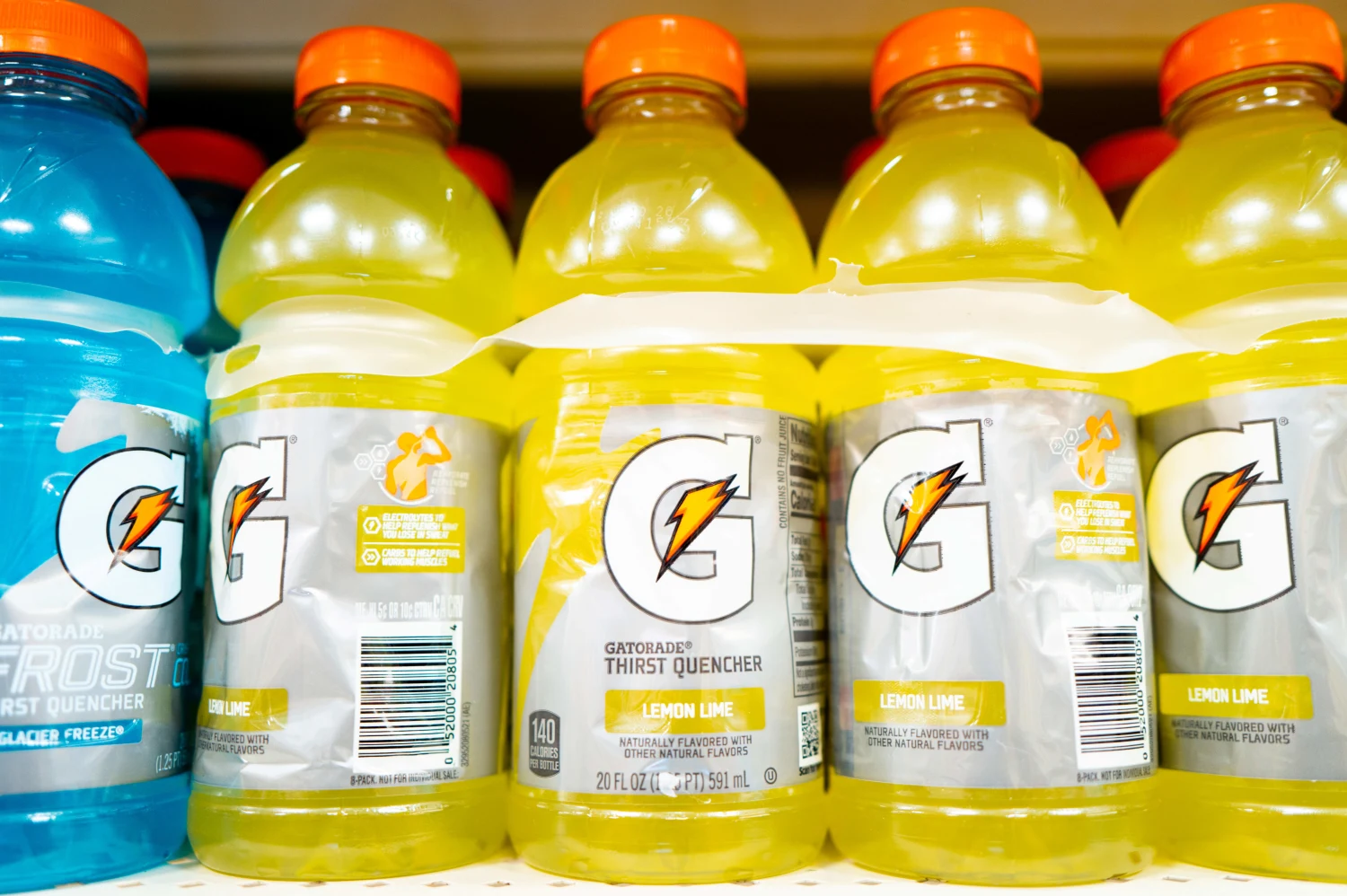
The recall affects specific lot numbers printed on the bottle. Affected lots include codes such as Lot 091026 DL (June 7, 2027), Lot 091126 DL (June 8, 2027), Lot 072226 DT (April 18, 2027), and several others with best-by dates ranging from April to June 2027. If your bottle matches one of the recalled lots, do not drink it.
The FDA enforcement report did not state whether any consumers have reported health issues linked to the recalled Gatorade. In a statement posted to its official recall page, PepsiCo said: "The quality of our products is a top priority and therefore we are recalling specific flavors and product lots of 28oz Gatorade."
What Happens Next: Refunds and What to Watch For
Because this is a voluntary recall, PepsiCo is expected to work with retailers to remove affected bottles from store shelves and distribution centers. The FDA enforcement report does not include details on consumer refunds, and PepsiCo has not publicly commented on whether customers are eligible for reimbursement. Your best course of action is to contact the retailer where you made your purchase to ask about their return or refund policy.
If you have already consumed an affected bottle and experience symptoms such as hives, itching, or difficulty breathing, contact your health care provider. Most people who consume the recalled drinks will experience no ill effects, but anyone with a known sensitivity to food dyes should be especially cautious.
The Bottom Line: Key Points to Remember
- PepsiCo is voluntarily recalling 122,021 cases of 28-ounce Gatorade in 37 states.
- Affected flavors: Lemon Lime, Lemon Lime Zero, Orange, and Orange Zero.
- The drinks contain undeclared Yellow No. 5 and/or Yellow No. 6.
- The FDA classified this as a Class II recall—low risk of serious harm, but possible temporary health effects.
- Check the lot numbers on your bottles and do not drink recalled products.
- Contact your retailer about refunds if you purchased an affected bottle.