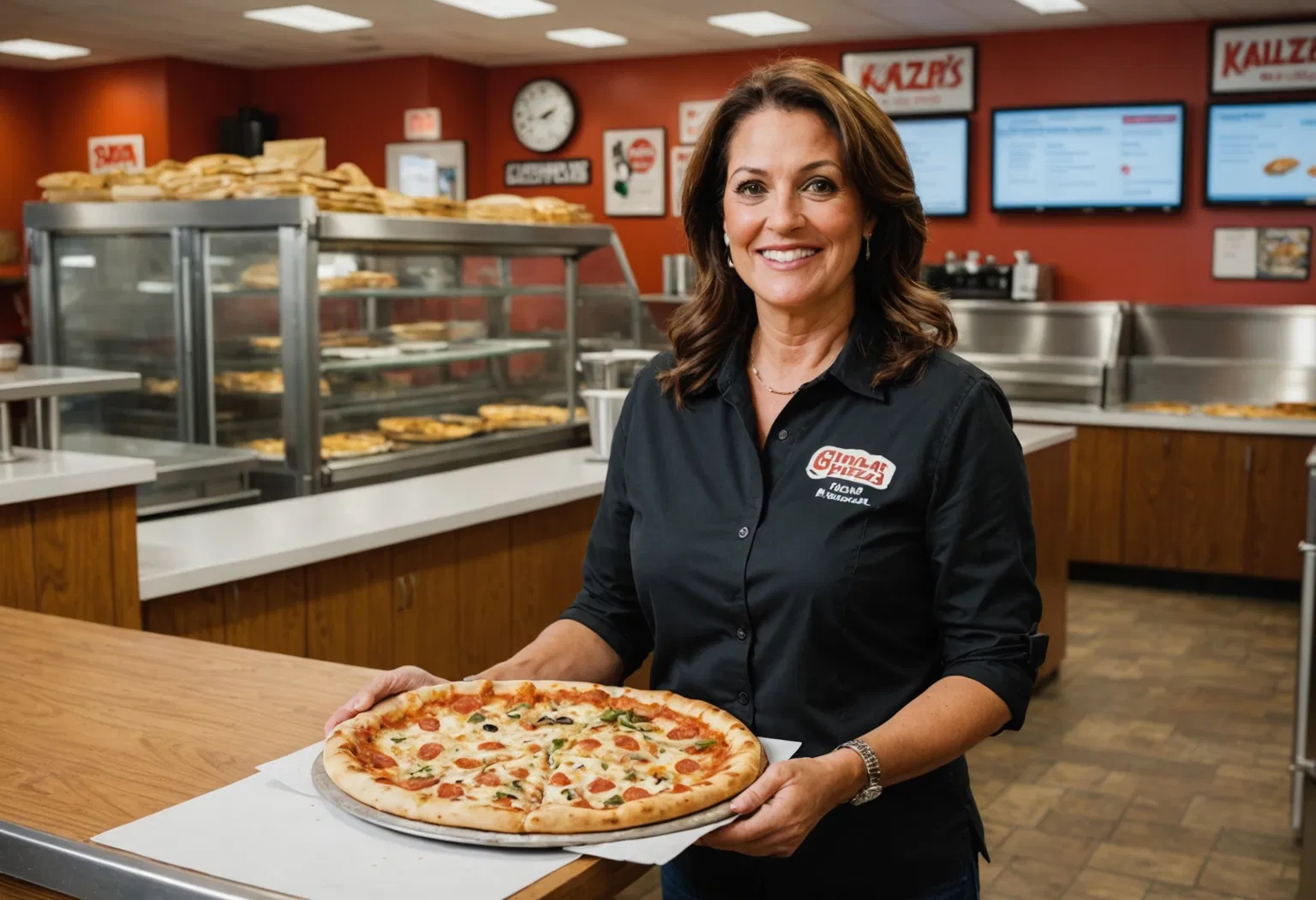
A Minnesota pizza institution that served generations of Twin Cities residents has abruptly closed its doors after 50 years in business. Gina Maria's Pizza shuttered all four of its locations in October 2025 without warning, followed by a Chapter 7 bankruptcy filing in March 2026 revealing $2.9 million in liabilities against just $64,000 in assets. This closure highlights broader challenges facing the fast-food pizza industry at a time when consumers are increasingly seeking healthier alternatives to traditional pizza. As one era ends, nutrition experts are using this moment to highlight how pizza lovers can enjoy their favorite food while making smarter nutritional choices.
How a 50-Year Pizza Empire Collapsed Overnight
Gina Maria's Pizza, founded in 1975, grew from a single Minnetonka location to become a beloved Twin Cities chain with restaurants in Chanhassen, Eden Prairie, Edina, and Plymouth. For decades, the family-owned business served traditional pizzas in a casual, homelike atmosphere that earned local loyalty. However, in October 2025, all four locations closed simultaneously without notice to customers or staff, leaving the community stunned.
According to bankruptcy documents filed by Northern Brands Inc., the company that operated Gina Maria's Pizza, the chain carried approximately $2.9 million in debts while reporting only $64,000 in assets. The Chapter 7 bankruptcy filing on March 26, 2026, effectively marked the end of the brand, with liquidation as the likely outcome. Court records show the company listed between 50 and 99 creditors, including suppliers, landlords, and former employees.
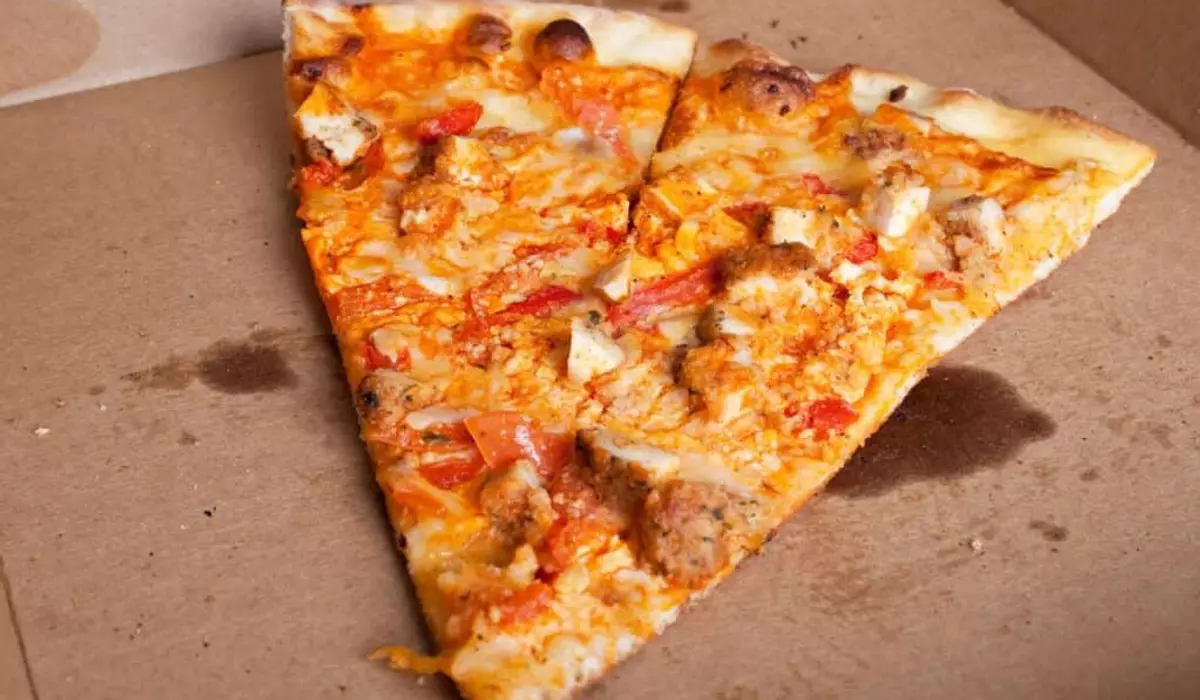
"The abrupt closure of Gina Maria's Pizza reflects the intense financial pressures facing regional pizza chains," said restaurant industry analyst Michael Johnson. "Between rising ingredient costs, labor shortages, and changing consumer preferences, many smaller chains are struggling to compete with national brands and the growing demand for healthier options."
Timeline: From Neighborhood Staple to Bankruptcy
The story of Gina Maria's Pizza follows a familiar arc in the restaurant industry: decades of steady growth followed by rapid decline. Founded in 1975, the chain expanded throughout the 1980s and 1990s, becoming a fixture in western Twin Cities suburbs. However, by the early 2020s, the pizza market began shifting dramatically.
In October 2025, all four locations closed without warning. Customers attempting to visit restaurants or place orders found locked doors and disconnected phone lines. The company's website eventually displayed a message acknowledging the closure but provided no explanation.
March 2026 brought the formal bankruptcy filing, with court documents revealing the staggering debt-to-asset ratio. The timeline highlights how quickly a half-century-old business can unravel when financial pressures mount and consumer trends shift.
Why Pizza Chains Are Struggling in the Health-Conscious Era
The closure of Gina Maria's Pizza coincides with broader challenges facing the pizza industry. According to market research, consumer preferences are shifting toward healthier, higher-quality ingredients and away from traditional fast-food pizza. A 2026 industry report notes that 68% of consumers now consider nutritional content when ordering pizza, up from just 42% five years ago.
"Today's consumers are much more aware of what they're eating," explains registered dietitian Sarah Chen. "Traditional pizza with thick crust, excessive cheese, and processed meats can contain upwards of 400 calories per slice with high levels of sodium and saturated fat. As health consciousness grows, people are seeking alternatives that deliver flavor without compromising nutrition."
The pizza industry has responded with plant-based options, cauliflower crusts, whole-grain alternatives, and vegetable-forward toppings. However, these innovations require investment that smaller chains like Gina Maria's often cannot afford. Meanwhile, national chains with larger marketing budgets have capitalized on health trends, further squeezing regional competitors.
The Healthier Pizza Revolution: What Nutritionists Recommend
Despite pizza's reputation as an indulgence, nutrition experts emphasize that it can be part of a balanced diet with smart choices. Dietitians from leading health publications offer several evidence-based recommendations for making pizza healthier:
- Choose Whole-Grain Crust: Opt for whole-grain or cauliflower crust to increase fiber content and reduce refined carbohydrates. Whole grains provide sustained energy and support digestive health.
- Load Up on Vegetables: Top your pizza with a variety of colorful vegetables like spinach, mushrooms, bell peppers, onions, and arugula. These add vitamins, minerals, and antioxidants while keeping calories in check.
- Select Lean Proteins: Instead of pepperoni or sausage, try grilled chicken, shrimp, or plant-based proteins like tofu or legumes. These options provide essential protein with less saturated fat.
- Moderate Cheese Use: Consider using less cheese or choosing part-skim mozzarella. For those with dietary restrictions, nutritional yeast or dairy-free alternatives can provide similar flavor profiles.
- Watch Portion Sizes: Enjoy pizza as part of a balanced meal with a side salad or vegetable dish. One or two slices paired with greens can satisfy cravings without overindulgence.
"Pizza doesn't have to be a guilty pleasure," says Dr. Lisa Young, PhD, RDN. "With thoughtful ingredient choices and proper portion control, it can actually be quite nutritious. The key is focusing on quality ingredients and balancing your plate."
Where the Pizza Industry Goes From Here
The pizza market continues to evolve, with several trends shaping its future. Industry analysts predict increased demand for:
- Health-Conscious Options: Gluten-free, vegan, and low-carb pizzas are expected to grow at double-digit rates through 2027.
- Premium Ingredients: Consumers show willingness to pay more for organic vegetables, artisanal cheeses, and locally sourced meats.
- Convenience Formats: Frozen and ready-to-eat pizzas with cleaner ingredient labels continue gaining market share.
- Technology Integration: Digital ordering, customization apps, and delivery optimization remain critical for success.
For smaller chains like Gina Maria's Pizza, adapting to these trends requires capital and flexibility that may not be available. However, some regional pizzerias are thriving by emphasizing their local roots, unique recipes, and commitment to quality ingredients.
Key Takeaways for Health-Conscious Pizza Lovers
The story of Gina Maria's Pizza serves as both a cautionary tale for the restaurant industry and an opportunity for consumers to reconsider their food choices. Key lessons include:
- Traditional pizza chains face significant challenges in today's health-conscious market
- Making smarter ingredient choices can transform pizza from indulgence to nutritious meal
- Supporting local businesses that prioritize quality ingredients helps sustain community restaurants
- Balance and moderation remain fundamental principles of healthy eating, even with favorite foods
As the pizza industry continues to evolve, consumers have more power than ever to drive change through their purchasing decisions. By choosing healthier options and supporting businesses that prioritize nutrition, pizza lovers can enjoy their favorite food while contributing to a more sustainable food system. The closure of Gina Maria's Pizza marks the end of an era, but it also opens the door to new possibilities for how we think about this beloved food.