
When the Callaway Golf ad created with the YouTube golf collective Good Good Golf was posted on Aug. 21, 2026, the fallout was swift and severe — and by Thursday, Aug. 27, Callaway had ended its three-year partnership with Good Good and pledged $1 million to organizations working to prevent violence against women. The 60-second clip showed Good Good co-founder Garrett Clark shoving golfer Alexis Miestowski to the ground as she reached for his driver, before he leaned in and warned, "Do not touch my new driver." The ad was deleted, and both brands issued apologies. Lost beneath the headlines, though, is a quieter reality: golf itself remains one of the most accessible, health-promoting physical activities available — no controversy required. Here is what happened, and why the game's real fitness value is worth remembering.
What Happened: Inside the Callaway–Good Good Golf Ad Fallout
The 60-second spot promoted a Callaway driver co-branded with Good Good, the YouTube channel that launched in 2020 and has grown into one of the largest content creators in the sport, with eight men and four women competing in matches and challenges. Callaway CEO Chip Brewer said Good Good produced the ad, which Callaway then approved — a decision he later called a mistake. "That approval should never have happened," Brewer wrote in an Aug. 25 apology. "Mistakes were made, and we are taking the matter very seriously."
Good Good said the video was intended as a parody of the horror film "Obsession," but critics condemned it for making light of violence against women. Crisis communications expert Patrick Riccards called it "another example of creating content with a narrow view, without bothering to think of the larger audience." Clark, for his part, posted an eight-minute video describing the spot as "the worst ad known to man" and saying it was "not what we stand for," adding, "I do not support DV (domestic violence) or abuse or any of that of any kind."
How the Controversy Unfolded: A Day-by-Day Timeline
The story moved quickly from a deleted social post to a severed corporate partnership.
- Aug. 21, 2026 — Callaway and Good Good Golf post the co-branded driver ad on social media.
- Within days — The ad draws accusations of sexism and tone-deafness and is removed; some retailers begin pulling Good Good gear.
- Aug. 25 — Callaway CEO Chip Brewer publicly apologizes, saying the ad's approval "should never have happened."
- Aug. 26 — Golfweek and USA Today report on why the ad upset so many, noting critics and experts condemned it for depicting violence against women.
- Aug. 27 — Callaway ends its three-year partnership with Good Good and announces a $1 million donation to organizations that prevent violence against women. The PGA Tour says Good Good has stepped away as sponsor of a November tournament in Austin, Texas.
Why the Game Still Wins: Golf's Real Health and Fitness Benefits
Strip away the marketing misstep, and golf remains a genuinely powerful form of exercise — one that fitness and health experts have long championed. A full 18-hole round walked on foot covers roughly five to seven miles over about four hours, functioning as a steady-state cardio session that rivals many gym workouts in total energy expenditure.
The calorie math backs this up. Walking 18 holes while carrying your own clubs burns approximately 1,400 to 1,800 calories, depending on body weight, course terrain, and whether you carry your bag or push a cart; riding in a golf cart drops that to roughly 800 to 1,000 calories. That is a meaningful contribution to a weekly movement goal — especially when paired with the strength and mobility work that a consistent golf routine encourages.
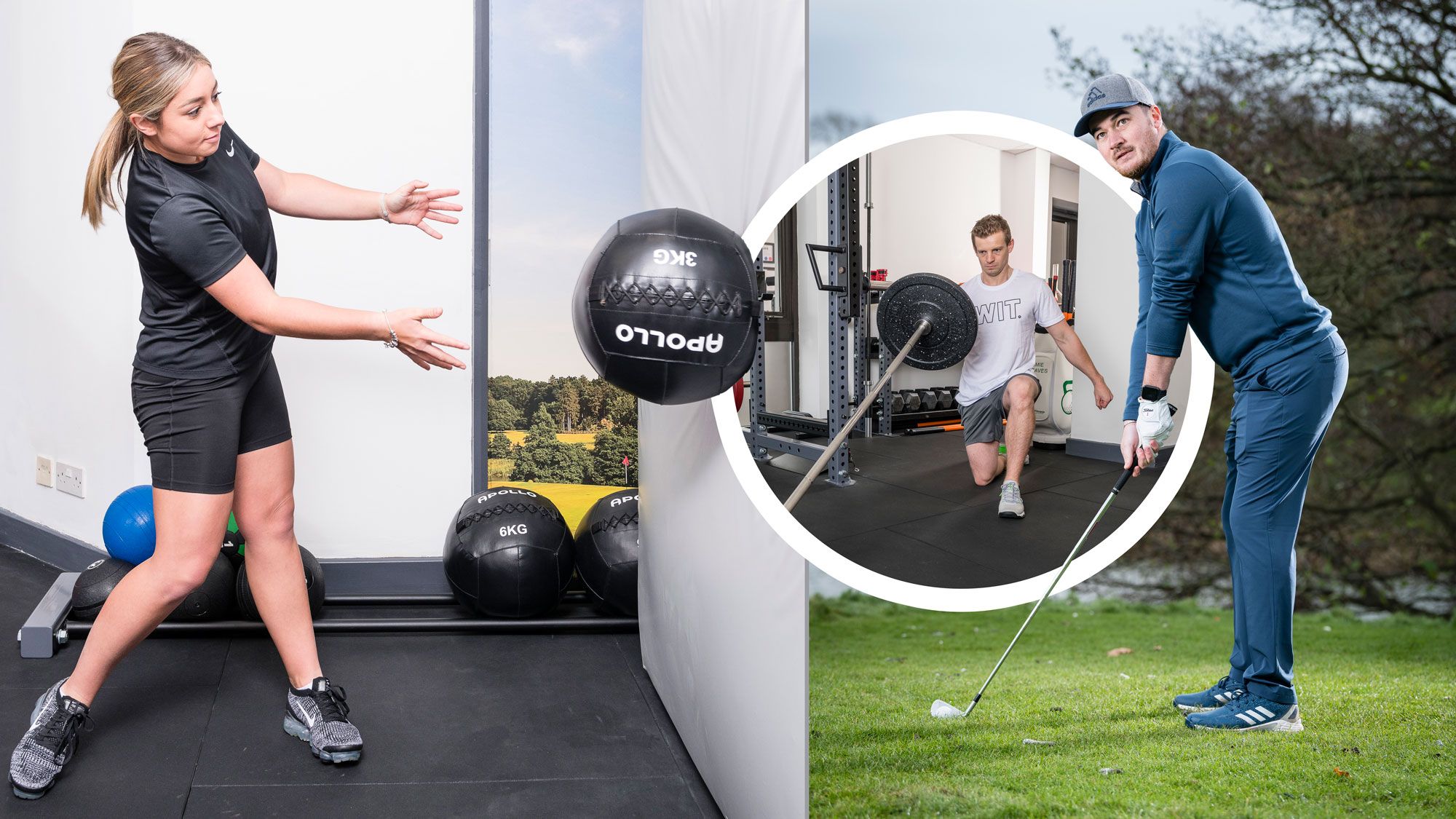
Golf also demands — and builds — rotational power, core stability, balance, and flexibility. Trainers who design golf workouts typically blend lower-body strength moves such as squats and deadlifts with rotational exercises like medicine ball throws, plus mobility and core work to protect the back and improve swing speed. The payoff goes beyond the scorecard: stronger hips, a more stable core, and better posture translate directly to everyday movement and injury prevention.
The mental and social benefits are just as real. Golf gets players outdoors, walking, and unplugged for hours at a time, which clinicians and researchers consistently link to lower stress, better mood, and improved cardiovascular health. Because the game is low-impact and scalable, it can be enjoyed well into older age — a rarity among recreational sports.
Where Things Stand Now: The Fallout Continues
As of late August, the business consequences were still mounting. In addition to ending its Callaway partnership, Good Good lost its sponsorship role with the PGA Tour's Austin event, and Golf Channel delayed a planned show. Good Good co-founder Matt Kendrick told The Wall Street Journal that the company plans to donate proceeds from the campaign to an organization that supports women. Callaway, meanwhile, framed its $1 million commitment as a first step, writing in a statement, "These actions do not undo the harm caused or excuse our role in it." The Athletic reported that Callaway called its content review "not comprehensive enough" and plans to strengthen its approval process.
What's Next for Golf — and for Golfers' Health
The ad controversy is likely to reshape how golf brands and creator collectives approach marketing, with a sharper focus on responsibility and audience awareness. For everyday players and newcomers, however, the more useful takeaway is simpler: the sport itself is a legitimate fitness tool. Whether you walk the course, carry your bag, or simply add a weekly round to your routine, golf offers a repeatable, low-impact path to more steps, more strength, and better mental health.
The Bottom Line: Golf's Health Benefits to Remember
- Walking 18 holes covers roughly 5 to 7 miles and can burn 1,400 to 1,800 calories when carrying clubs.
- Golf builds rotational power, core stability, balance, and flexibility — especially with a dedicated strength routine.
- The game delivers outdoor time, stress relief, and social connection, and is low-impact enough for all ages.
- The Callaway–Good Good ad fallout shows how quickly a marketing misstep can hurt — but it doesn't change the genuine health value of the game.