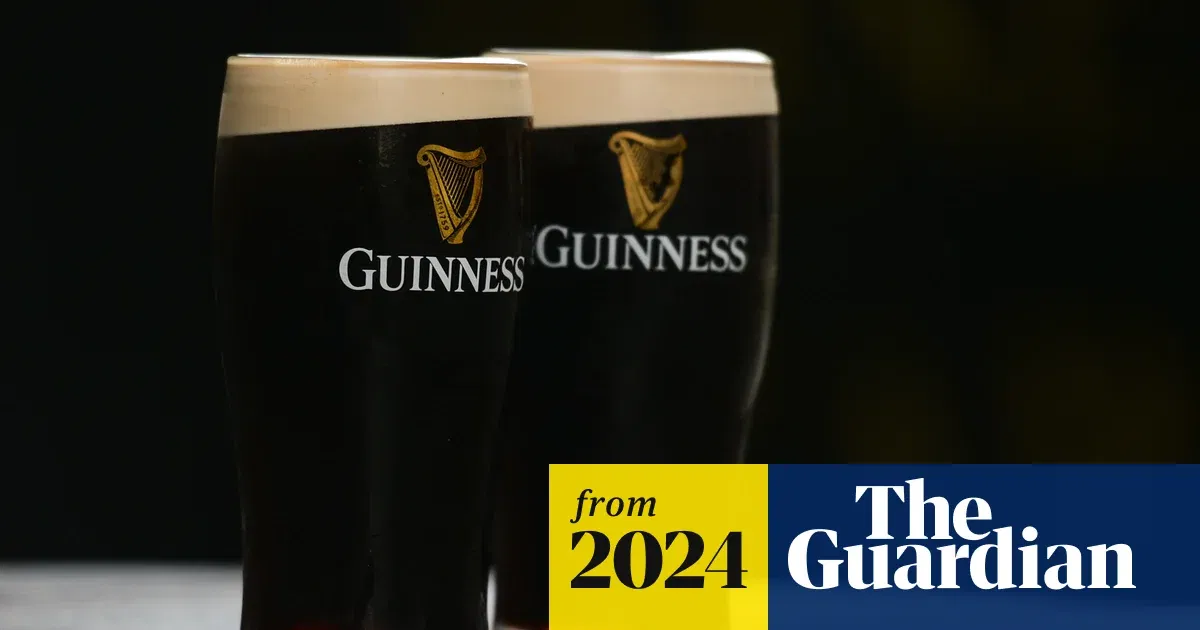
For decades, the iconic black stout known as Guinness has been surrounded by health myths and legends. From being prescribed to pregnant women for iron to claims that it's "good for you," the drink has occupied a unique space in the public imagination. But with recent studies painting a more nuanced picture of alcohol's effects on the body, it's time to separate fact from fiction and understand what Guinness really means for your health and fitness goals.
The Great Guinness Debate: What Science Actually Says
When you order a pint of Guinness, you're consuming a beverage with 4.2% alcohol by volume (ABV) and approximately 125 calories per 12-ounce serving. Compared to many other beers, this actually puts Guinness on the lower end of both alcohol and calorie content. A typical Budweiser, for instance, contains 145 calories in the same serving size, while Heineken comes in at 142 calories. This surprising fact has led some to consider Guinness a "healthier" beer option, but nutrition experts caution that these marginal differences don't make alcohol a healthy choice.
The most persistent myth about Guinness involves its iron content. For generations, people believed the dark stout was rich in iron—so much so that doctors once prescribed it to pregnant women and patients recovering from blood loss. Modern analysis reveals the truth: a pint of Guinness contains only about 0.3 milligrams of iron. To put that in perspective, a woman would need to drink approximately 50 pints daily to meet her recommended iron intake, and twice that amount during pregnancy. The iron myth likely originated from Guinness's dark color, which comes from roasted barley rather than any exceptional mineral content.
From Medical Miracle to Modern Understanding: The Timeline of Guinness Health Claims
The story of Guinness and health spans over a century, with shifting scientific understanding reflecting broader changes in how we view alcohol. In the 1920s, doctors genuinely recommended Guinness to pregnant women, believing it would boost iron levels. By the mid-20th century, the "Guinness is good for you" slogan had become part of popular culture, despite lacking scientific backing.
The most significant scientific development came in 2003, when researchers at the University of Wisconsin published a study suggesting that Guinness might help prevent blood clots. Their research indicated that antioxidants called flavonoids in the dark beer could reduce platelet clumping, potentially lowering heart attack risk. The study made headlines worldwide, with many interpreting it as proof that Guinness had unique health benefits.
However, the last two decades have seen a dramatic shift in scientific consensus. Large-scale studies involving hundreds of thousands of participants have shown that any amount of alcohol increases cancer risk, with even moderate consumption linked to higher rates of breast, liver, and esophageal cancers. The American Heart Association now emphasizes that no form of alcohol should be considered "heart-healthy," marking a complete reversal from earlier recommendations.
The Nutritional Reality: What's Actually in Your Pint
When examining Guinness from a nutritional standpoint, several facts emerge that complicate the simple "good or bad" binary. Brewing experts note that Guinness contains more folate (a B vitamin) than other imported beers, and its lower alcohol content means fewer calories from alcohol itself. The dark stout also contains trace amounts of magnesium, phosphorus, and copper—minerals that support bone health in minute quantities.
However, these potential benefits must be weighed against alcohol's well-documented risks. A 12-ounce serving of Guinness contains about 10 grams of carbohydrates and minimal protein or fat. The alcohol itself provides 7 calories per gram, making it the most calorie-dense component after fat. For those tracking macros or calories, this places Guinness in the same category as other alcoholic beverages: empty calories that provide little nutritional value while potentially disrupting metabolic processes.
Perhaps most importantly, the conversation has moved beyond simple nutrient counting. Recent research from Johns Hopkins University (2025) found that only 37% of adults in the U.S. know that alcohol increases cancer risk. This knowledge gap helps explain why myths about specific drinks like Guinness persist despite changing scientific evidence.
Where the Research Stands Today: Alcohol's Complicated Legacy
Current medical guidance on alcohol represents a careful balancing act between acknowledging potential minor benefits for some populations while emphasizing very real risks for all. For middle-aged and older adults, moderate alcohol consumption (defined as one drink per day for women, two for men) might offer slight cardiovascular protection. However, this potential benefit disappears when considering alcohol's role in increasing cancer risk, accidents, liver disease, and mental health issues.
Specific to Guinness, brewing scientists have identified compounds called polyphenols that act as antioxidants. These occur in higher concentrations in dark beers than light ones due to the roasted barley used in brewing. While laboratory studies show these antioxidants can reduce inflammation and oxidative stress, their effect in the human body when consumed as beer remains minimal compared to the negative impacts of alcohol itself.
The most sobering development comes from dementia research. A major study published in September 2025 found that any amount of alcohol likely increases dementia risk, challenging previous beliefs that moderate drinking might be protective. This finding has particular relevance for fitness enthusiasts, as brain health is increasingly recognized as integral to overall wellness.
The Fitness Perspective: How Alcohol Fits Into a Healthy Lifestyle
For those focused on fitness and health, understanding alcohol's effects goes beyond calorie counting. Alcohol interferes with protein synthesis, reducing muscle repair after workouts. It disrupts sleep patterns, particularly the crucial REM phase needed for recovery. It also dehydrates the body, impairs coordination (increasing injury risk during exercise), and can lead to poor food choices due to lowered inhibitions.
If you choose to drink Guinness or any alcohol, fitness experts recommend several strategies to minimize negative impacts:
- Time consumption carefully: Avoid drinking within 3-4 hours of bedtime to reduce sleep disruption
- Stay hydrated: Drink a glass of water for every alcoholic beverage
- Never drink before exercise: Alcohol impairs coordination and increases injury risk
- Consider your goals: If you're trying to lose weight or build muscle, alcohol's empty calories and metabolic effects may hinder progress
- Practice true moderation: Stick to recommended limits (one drink per day for women, two for men) and have alcohol-free days each week
It's worth noting that the fitness community has largely moved away from recommending any alcohol for optimal performance. While occasional moderate consumption might fit into some people's lifestyles, it's increasingly viewed as incompatible with peak physical and mental performance.
Looking Forward: The Future of Alcohol and Health Guidance
As research continues to evolve, health organizations worldwide are updating their alcohol recommendations. The World Health Organization now states that "no level of alcohol consumption is safe for health," representing the most conservative position yet. Many countries are considering lowering their recommended drinking limits, while some health advocates suggest following the "dry January" model year-round.
For Guinness specifically, the company has moved away from health claims in its marketing, focusing instead on quality, tradition, and responsible consumption. This reflects both legal requirements and changing public attitudes toward alcohol marketing.
The most likely future scenario involves personalized recommendations based on genetic testing. Research into how different people metabolize alcohol suggests that some individuals might be at higher risk for alcohol-related harms due to genetic factors. As this science develops, we may see more tailored advice about whether and how much alcohol fits into individual health plans.
The Bottom Line: Key Takeaways for Health-Conscious Consumers
After examining the evidence from multiple angles, several clear conclusions emerge about Guinness and health:
- The iron myth is just that—a myth: Guinness contains negligible iron, and no one should drink it for mineral supplementation
- Lower calories don't equal "healthy": While Guinness has slightly fewer calories than some beers, alcohol calories remain empty nutritionally
- Antioxidants don't cancel risks: Any beneficial compounds in Guinness are outweighed by alcohol's cancer and other health risks
- Moderation matters most: If you choose to drink, strict adherence to recommended limits is crucial
- Context is everything: How alcohol fits into your overall diet, exercise routine, and health profile determines its impact
Ultimately, the question isn't whether Guinness is "good for you"—no alcoholic beverage meets that standard according to current science. The more relevant question is how occasional consumption fits into your individual health picture, and whether the enjoyment you derive from it justifies the known risks. For those pursuing optimal fitness and health, the evidence increasingly points toward minimizing or eliminating alcohol, regardless of its calorie count or antioxidant content.