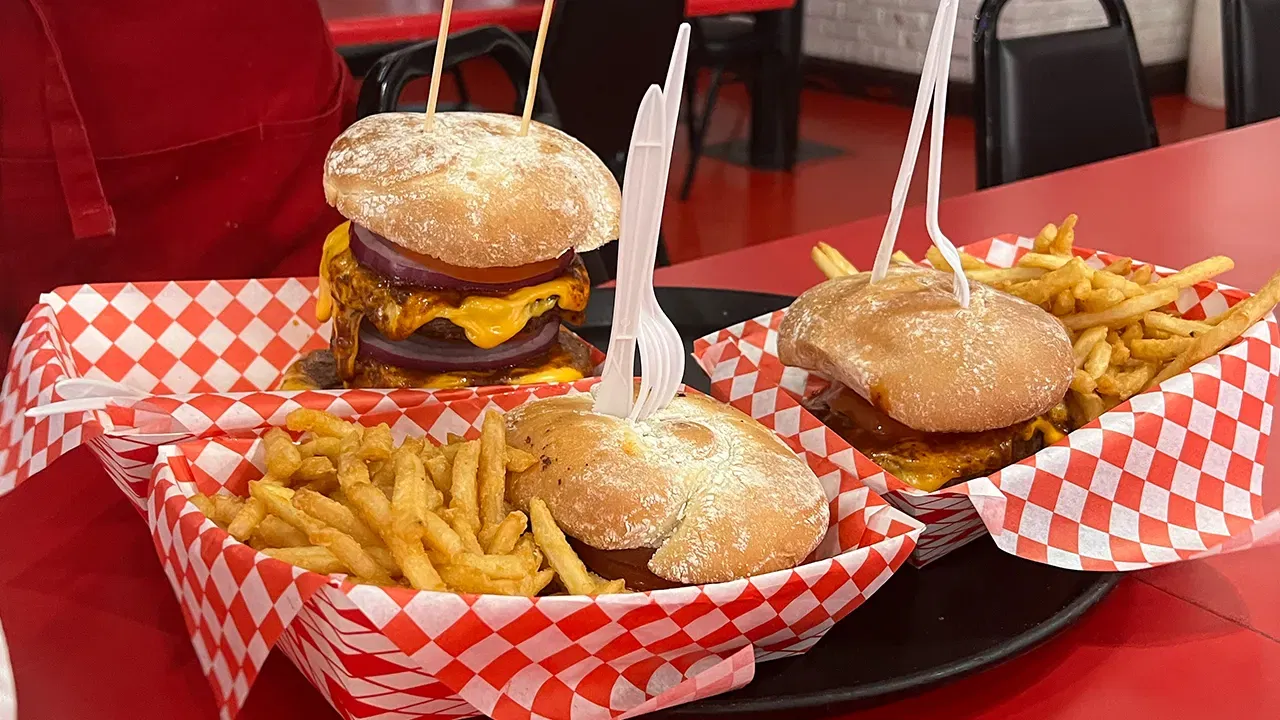
After 15 years of serving up the most calorie-dense food on the Las Vegas Strip, the Heart Attack Grill has officially closed its doors. The hospital-themed restaurant—famous for its 9,983-calorie Quadruple Bypass Burger, fries cooked in pure lard, and waitresses dressed as "nurses"—announced it would not renew its lease on Fremont Street, blaming corporate greed and a Vegas that has "lost its soul."
While the restaurant's over-the-top gimmicks made international headlines, its closure offers a powerful moment for reflection on America's relationship with extreme eating—and what it means for our health.
Behind the Closure: What Really Happened
Owner Jon Basso, who goes by "Dr. Jon," didn't mince words in the restaurant's farewell statement. "The soul of Las Vegas has been replaced by corporate greed," the announcement read. "Our core value, 'Eat big and laugh loud,' no longer fits a city peddling $40 artisanal avocado toast." Basso cited major casino operators for intentionally pricing the average person out of experiencing what he called the "quintessential American experience of affordable indulgence."
The Heart Attack Grill first opened in Chandler, Arizona in 2005 before relocating to downtown Las Vegas in 2011. For 15 years, it operated as a temple to caloric excess—customers were "patients," meals were "prescriptions," and anyone weighing over 350 pounds ate for free after weighing in on an electronic cattle scale. Those who couldn't finish their meals received a public spanking from the "nursing" staff, a punishment Basso called "Pain Management Therapy."
The Menu That Broke All Nutritional Rules
The Heart Attack Grill's menu reads like a nutritionist's worst nightmare. The Quadruple Bypass Burger—featuring four half-pound beef patties—earned a Guinness World Record for the most calorific burger commercially available at 9,983 calories. But the restaurant didn't stop there. They eventually introduced the Octuple Bypass Burger with eight patties, four pounds of beef, 40 slices of bacon, and an estimated 19,900 calories.
Beyond the burgers, the menu included:
- Flatliner Fries — cooked in pure lard
- Butterfat Milkshakes
- Coronary Dog
- Lucky Strike unfiltered cigarettes — yes, available for purchase alongside meals
The restaurant proudly boasted that they used full-sugar Coca-Cola and made no apologies for any of it. In a 2011 interview with Southern Methodist University's newspaper, Basso admitted the restaurant was designed as "diner theater" meant to provoke "philosophical introspection" about obesity in America—though he openly acknowledged the primary goal was "to make money."
Timeline: The Rise and Fall of a Controversial Icon
- 2005 — Heart Attack Grill founded by Jon Basso in Chandler, Arizona
- 2006 — Arizona Attorney General's Office threatens closure; Basso draws international attention after being arrested for threatening to use a fire hose on picketing nurses
- 2011 — Restaurant relocates to downtown Las Vegas on Fremont Street
- 2012 — Octuple Bypass Burger added to menu; Guinness World Record confirms Quadruple Bypass Burger at 9,983 calories
- 2020 — COVID-19 pandemic disrupts operations but restaurant survives
- May 2026 — Announces permanent closure, blaming rising costs and corporate casino greed
What the Heart Attack Grill's Legacy Teaches Us About Health
While most of us would never set foot in a restaurant celebrating heart disease, the Heart Attack Grill's popularity reveals uncomfortable truths about our food environment. Basso himself pointed out that the U.S. obesity rate has climbed from 30% when his restaurant opened in 2005 to nearly 45% today. "We pat ourselves on the back for leading the charge!" he proclaimed.
The truth is, you don't need a themed restaurant serving 10,000-calorie burgers to derail your health. Many chain restaurants serve meals that pack an entire day's worth of calories—and then some—into a single entree:
- Cheesecake Factory's Bistro Shrimp Pasta: 3,120 calories
- Chili's Full Rack of Ribs with fries: 2,340 calories
- Applebee's Quesadilla Burger: 1,820 calories
The American Heart Association recommends limiting saturated fat to just 13 grams per day. One Quadruple Bypass Burger contained well over 100 grams. According to the Fox News report, the restaurant's very name "implies coronary artery bypass surgery, and refers to the danger of developing atherosclerosis from the food's high proportion of saturated fat and excessive caloric content."
The Real Cost of Extreme Eating
Dr. Jon Basso placed the blame for his restaurant's closure on "corporate greed" and Las Vegas becoming a playground for the wealthy. But there's a deeper cost to extreme eating that can't be ignored. For context, the average adult requires roughly 2,000–2,500 calories per day. A single Quadruple Bypass Burger provided five days' worth of calories in one sitting. Add in the Flatliner Fries (another 2,000+ calories cooked in pure lard) and a Butterfat Milkshake, and you're looking at nearly a week's worth of calories consumed in a single meal.
The restaurant also offered free food to customers over 350 pounds—a policy widely criticized by health advocates as exploitative. Reports indicate several customers suffered heart attacks after eating at the restaurant, with at least one known death linked to a meal there, as noted in the restaurant's Wikipedia entry.
Where Things Stand Now: The Search for a New Home
Basso insists this isn't the end of the Heart Attack Grill. "This is not the end of the world's most controversial restaurant," the closure announcement stated, "it is merely the beginning of a new chapter." The restaurant is actively "seeking new opportunities to continue our high-calorie mission" and looking for communities that "still appreciate a Bypass Burger and the freedom to feast without apology."
For now, the iconic Fremont Street location sits empty, a relic of a more unapologetically excessive era of Las Vegas dining. The lease has been terminated, and the restaurant has no immediate plans for a new location, according to FOX5 Las Vegas.
What Happens Next: Lessons for a Healthier Future
As the Heart Attack Grill fades into Vegas history, the conversation it sparked about extreme eating doesn't have to end with it. The closure offers a moment to reflect on our own choices. While Basso's message about affordability and the loss of accessible American culture resonates with many, the restaurant's core product—celebrating food that actively harms you—isn't something to emulate.
The health and fitness community can take this as a reminder that what we eat matters. Small, consistent choices—like swapping out ultra-processed foods for whole ingredients, being mindful of portion sizes, and understanding nutritional labels—can have a far greater impact on long-term health than any single meal.
Key Takeaways
- The Heart Attack Grill served the Guinness World Record's most calorific burger at 9,983 calories
- The obesity rate in America rose from 30% to nearly 45% during the restaurant's 21-year run
- Extreme eating isn't limited to theme restaurants—many chain restaurant meals exceed daily caloric needs several times over
- The average adult needs 2,000–2,500 calories per day; the Quadruple Bypass Burger alone provided 4–5 times that
- Small, consistent healthy choices matter more than avoiding the occasional indulgence