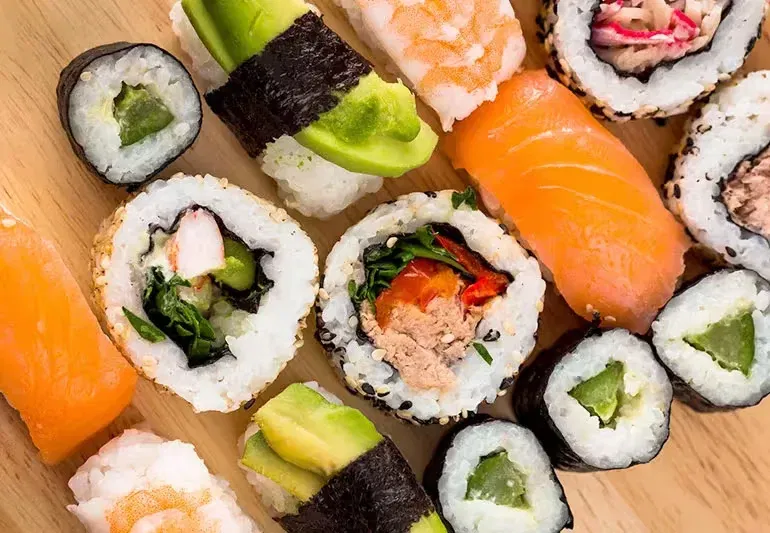
Walk into any sushi restaurant and you're faced with a menu that spans from delicate slices of raw fish to elaborate, sauce-drenched rolls that look more like works of art than food. For health-conscious eaters and fitness enthusiasts, the question isn't just about taste — it's about whether sushi deserves a regular spot in your meal rotation. The answer, according to registered dietitians, is a resounding yes — but with some important caveats about what you order and how you eat it.
Sushi offers a unique nutritional profile that's hard to beat. Fatty fish like salmon, tuna, and mackerel deliver omega-3 fatty acids that support heart health and reduce inflammation — critical for anyone serious about recovery and fitness. Seaweed provides iodine and antioxidants, while avocado adds heart-healthy monounsaturated fats. "Sushi can contain a lot of the different food groups wrapped up in one," says dietitian Maxine Smith, RD, LD, of Cleveland Clinic. That means you're getting protein, healthy carbs, beneficial fats, and vegetables all in a single meal.
The Nutrition Breakdown: What You're Really Getting
A typical sushi roll (6-8 pieces) ranges from 300 to 400 calories, making it a reasonable meal option. But not all sushi is created equal. Sashimi — pure raw fish without rice — is the leanest choice, packing 25-30 grams of protein in a 6-piece serving with minimal carbs. A tuna roll delivers 18-22 grams of protein, while a salmon avocado roll offers 15-20 grams along with healthy fats that keep you satisfied longer.
The carbohydrates in sushi come primarily from the rice. A standard roll contains about 30-40 grams of carbs — roughly equivalent to two slices of bread. "You have to be careful because a roll of sushi could literally be equal to consuming four pieces of bread," warns Smith. Opting for brown rice boosts fiber content, which aids digestion and promotes satiety. For those watching their carb intake, naruto rolls — where fish and vegetables are wrapped in cucumber instead of rice — are a game-changer.
The Best Sushi Choices for Fitness and Weight Loss
Dietitians agree that simpler is better when it comes to healthy sushi. Here are the top picks for anyone focused on fitness, weight management, or overall health:
Sashimi is the undisputed champion for health-conscious eaters. Pure, high-quality raw fish delivers maximum protein and omega-3s without any rice or fillers. Salmon, tuna, mackerel, and yellowtail are excellent choices. A 6-piece sashimi serving provides 25-30 grams of protein for roughly 150-200 calories.
Nigiri offers a balanced approach — a slice of fish over a small bed of rice. It provides good portion control and typically contains about 50-70 calories per piece with 4-5 grams of protein. Salmon, shrimp, and scallop nigiri are top picks.
Hosomaki rolls are thin rolls wrapped in seaweed with rice on the outside and fish or vegetables inside. "These rolls are typically smaller, so they have about half the carbs and calories of some of the more typical maki rolls," Smith notes. Choices like tekka maki (tuna), sake maki (salmon), and kappa maki (cucumber) keep things simple and nutritious.
Naruto rolls replace rice with cucumber, making them the ultimate low-carb option. They're ideal for keto dieters or anyone looking to cut calories while still enjoying the sushi experience.
Sushi Choices to Avoid or Limit
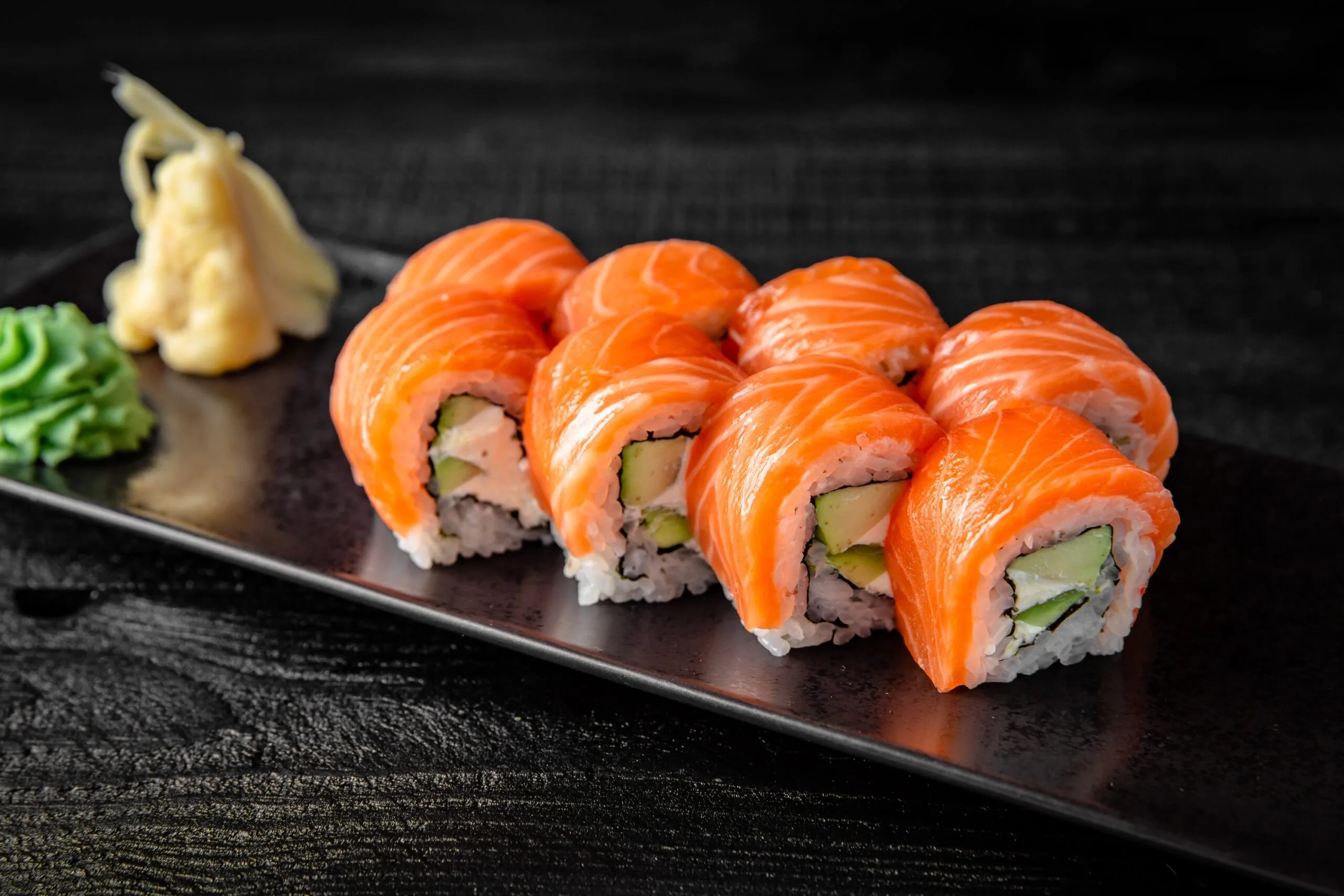
Not everything on the sushi menu deserves a spot on your plate. Tempura rolls are deep-fried, adding 100-200 extra calories and unhealthy trans fats. Creamy rolls with spicy mayo or cream cheese — like Philadelphia rolls and spicy tuna rolls — pack saturated fats and unnecessary calories. "You can easily add 100, maybe 200 extra calories by frying the fish and then adding mayonnaise and sauces," Smith explains. "You're also adding a lot more sodium. You can literally get all your sodium needs for the day in one sushi roll."
Specialty rolls are the biggest offenders. Dragon rolls, rainbow rolls, and other elaborate creations often combine tempura, cream cheese, multiple sauces, and large amounts of rice. A single specialty roll can exceed 500-700 calories — the equivalent of an entire meal's worth of calories in what feels like an appetizer.
Condiments also deserve attention. One tablespoon of soy sauce contains about 900 milligrams of sodium — nearly 40% of the daily recommended limit. Low-sodium soy sauce or coconut aminos are better alternatives. Pickled ginger and wasabi also add sodium, though in smaller amounts.
Protein-Packed Sushi: What Athletes Need to Know
For athletes and active individuals, sushi can be an excellent post-workout meal. The combination of lean protein for muscle repair and carbohydrates for glycogen replenishment is ideal within the recovery window. Sashimi offers the highest protein density, while salmon and tuna rolls provide a solid protein-to-calorie ratio.
Adding edamame as an appetizer boosts plant-based protein and fiber intake. "You have a lot of fiber and plant protein in edamame, which tends to give you a sense of fullness," Smith says. A side salad with dark leafy greens adds additional nutrients without many calories.
Smart Strategies for Ordering Sushi
Planning ahead makes all the difference. Dietitians recommend keeping your order to one simple roll plus an appetizer like edamame or miso soup — this keeps the meal around 500-700 calories. Ask for sauces on the side to control portions, opt for brown rice when available, and choose lean fish like tuna and salmon over eel or yellowtail when watching calories.
Portion control is especially important at sushi restaurants where all-you-can-eat deals can tempt overconsumption. Stick to sashimi, nigiri, and veggie rolls to enjoy sushi without the guilt. Using chopsticks can help you eat more slowly, giving your brain time to register fullness.
The Bottom Line on Sushi and Health
Sushi earns its reputation as a healthy food — when ordered wisely. The fresh fish provides essential omega-3 fatty acids, the vegetables deliver fiber and antioxidants, and the portion sizes can be perfectly calibrated for weight management and fitness goals. "Sushi can be a very healthy, green type of food — if ordered simply," Smith concludes. "If you have a craving for sushi, go for it. It can be a fun experience. You just want to be selective and do your research ahead of time."