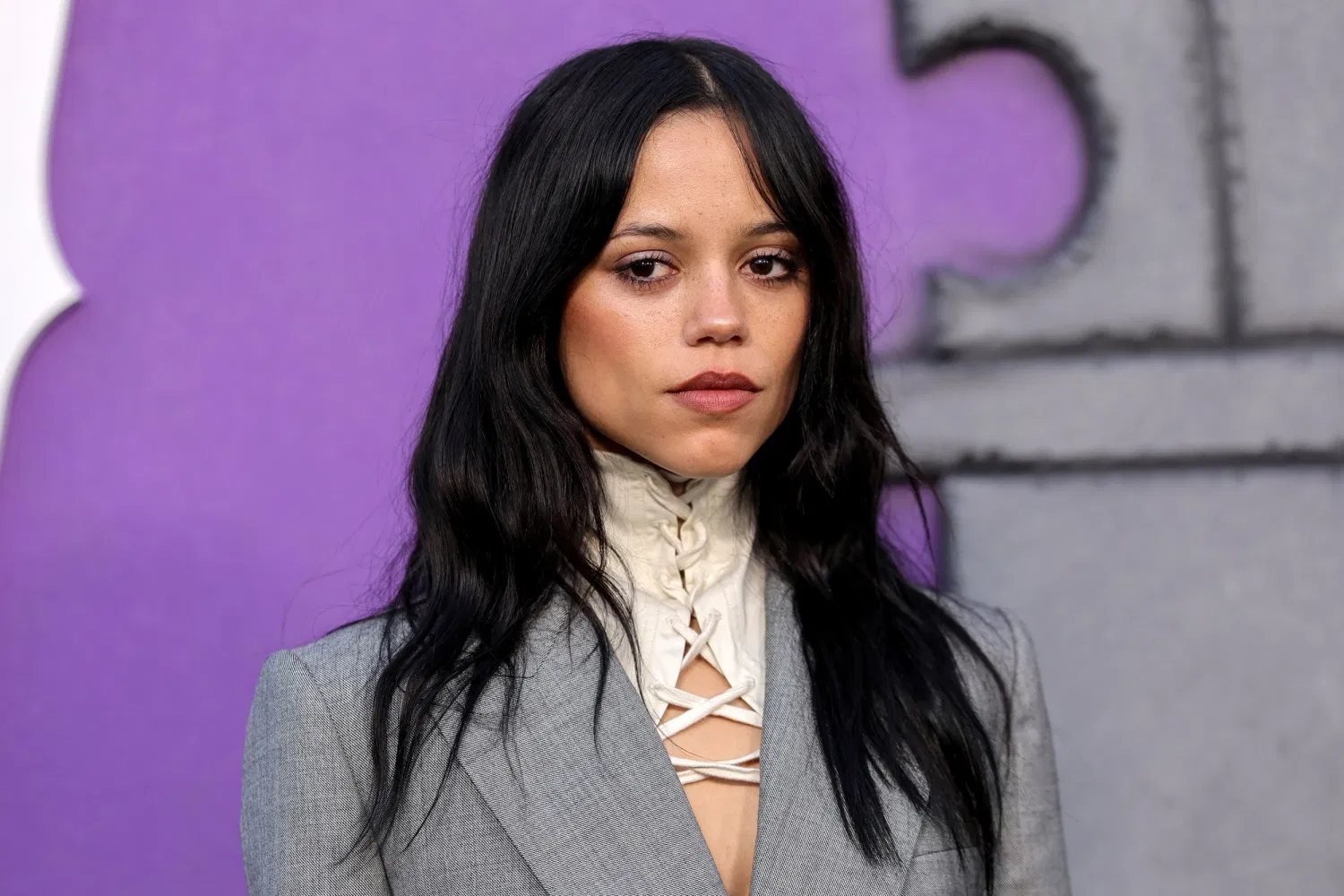
Jenna Ortega weight loss has become one of the most-searched wellness stories of the moment, but the real headline has far less to do with a number on a scale than with a culture that teaches people to ignore their own hunger. The Wednesday star recently told Esquire that, as a child actor, she would sometimes go entire days without food or water because she was afraid of being "in the way." That confession, paired with a viral clip of her noticeably thinner frame, has reignited an important conversation about nutrition, hydration, body image, and the quiet pressure to be low-maintenance at any cost.
Beneath the celebrity headlines sits a genuinely useful reminder for anyone working on their fitness or healthy-eating routine: skipping meals and water is never a harmless shortcut, and learning to honor your body's basic needs is one of the most important habits you can build. Here is what happened, why it matters, and what nutrition experts want you to remember.
Inside the Esquire Interview That Started the Conversation
In Esquire's "How I Got Here" series, published in mid-August 2026, Ortega reflected on her years as a child performer. She began her career at just seven years old, landed her breakout role in the Disney Channel series Stuck in the Middle at 13, and went on to become an international star through Netflix's Wednesday, Beetlejuice Beetlejuice, and the Scream franchise, according to NBC News.
Looking back, she admitted she did not always look after herself. "I wasn't asking for a sip of water," she said. "I would go all day without eating, drinking, whatever, because I wanted so badly to not be in the way of anybody." She added: "Maybe that was my mistake, was not actually looking after myself."
Ortega also opened up about the perfectionism she developed as a child, what she described as always having her "game face" on, and suggested that many of the stereotypes about child stars are rooted in truth. The remarks came in the wake of Ariana Grande's decision to step away from the industry amid public concern over her own weight, amplifying a running conversation about the toll Hollywood can take on young performers.

What Skipping Meals and Water Actually Does to Your Body
Ortega's story is extreme, but the underlying pattern, ignoring hunger and thirst to power through a demanding day, is something plenty of busy adults recognize. Nutrition and fitness professionals consistently warn that routinely skipping meals and fluids carries real, measurable consequences, whether you are on a film set or sitting at a desk.
Going long stretches without food can cause blood sugar to dip, which often shows up as fatigue, irritability, poor concentration, and intense cravings later in the day. That rebound hunger frequently leads to overeating or reaching for highly processed, calorie-dense snacks, the opposite of what most people want from a healthy routine.
Dehydration is just as serious. Even mild dehydration can sap energy, dull focus, and trigger headaches, while chronic under-drinking stresses the kidneys and can contribute to dry skin and poor exercise performance. The body sends clear signals, hunger, thirst, low energy, that are meant to be answered, not ignored.
Why "Game Face" Perfectionism Can Fuel Unhealthy Eating Patterns
Ortega's framing of her childhood, being "so grateful and so excited to be there" that she never wanted to ask for anything, highlights a mindset that can quietly underpin disordered eating: the belief that your own needs are a burden. When people consistently override hunger cues to appear agreeable or low-maintenance, they can lose touch with their body's natural appetite signals over time.
That disconnect is a common feature of disordered eating patterns. Skipping meals, restricting fluids, and ignoring hunger or fullness cues can spiral from a coping mechanism into a habit that is hard to break, even after the original pressure is gone. For anyone who recognizes this pattern, the first step is often the simplest: treat regular meals and water breaks as non-negotiable parts of the day, not optional extras.
Fans React: The Body Image and Social Media Debate
After the interview clip began circulating, fans flooded social media with concern over Ortega's thin frame. Headlines described her as the latest star to spark fears about extreme thinness, and viral before-and-after photos of the actor, showing a noticeable change over roughly a year, reignited an industry-wide debate about Hollywood's beauty standards, according to IBTimes UK and the Daily Mail.
Many of those messages, while well-meaning, also illustrated how quickly public concern can veer into scrutiny of someone's body. Health and body-image advocates point out that commenting on a person's weight, even out of worry, can do more harm than good, and that thinness is not the same as wellness. True health shows up in energy levels, strength, sleep, and how someone feels, not just in how they look in a photo.

What Nutrition Experts Want You to Take Away
The most useful lesson from Ortega's story is not about her body, it is about the habits the rest of us can build. Registered dietitians and nutritionists generally encourage the same foundations: eat balanced meals at consistent intervals, keep water within reach throughout the day, and include a mix of protein, fiber, and healthy fats to stay full and steady.
Rather than skipping meals to "save" calories, a more sustainable approach is to make each meal count, leaning on whole foods, colorful vegetables, lean proteins, and complex carbohydrates. And instead of waiting until thirst or hunger becomes urgent, get ahead of it by building small reminders into your daily routine, from a water bottle on your desk to scheduled lunch breaks that you actually protect.
The Bottom Line
Jenna Ortega's candid admission is a reminder that even successful, high-achieving people can fall into patterns that undermine their health, and that the pressure to be low-maintenance can come at a real cost. The takeaway is not to judge anyone's body, but to check in with your own habits.
- Ortega told Esquire she would go all day without food or water as a child actor to avoid being "in the way."
- Her comments, plus a viral clip of her thin frame, sparked widespread fan concern and renewed the Hollywood body-image debate.
- Skipping meals and water can cause low blood sugar, fatigue, rebound cravings, and dehydration, even in less extreme forms.
- The healthiest goal is not a smaller body, but consistent habits: regular balanced meals, steady hydration, and honoring your hunger cues.