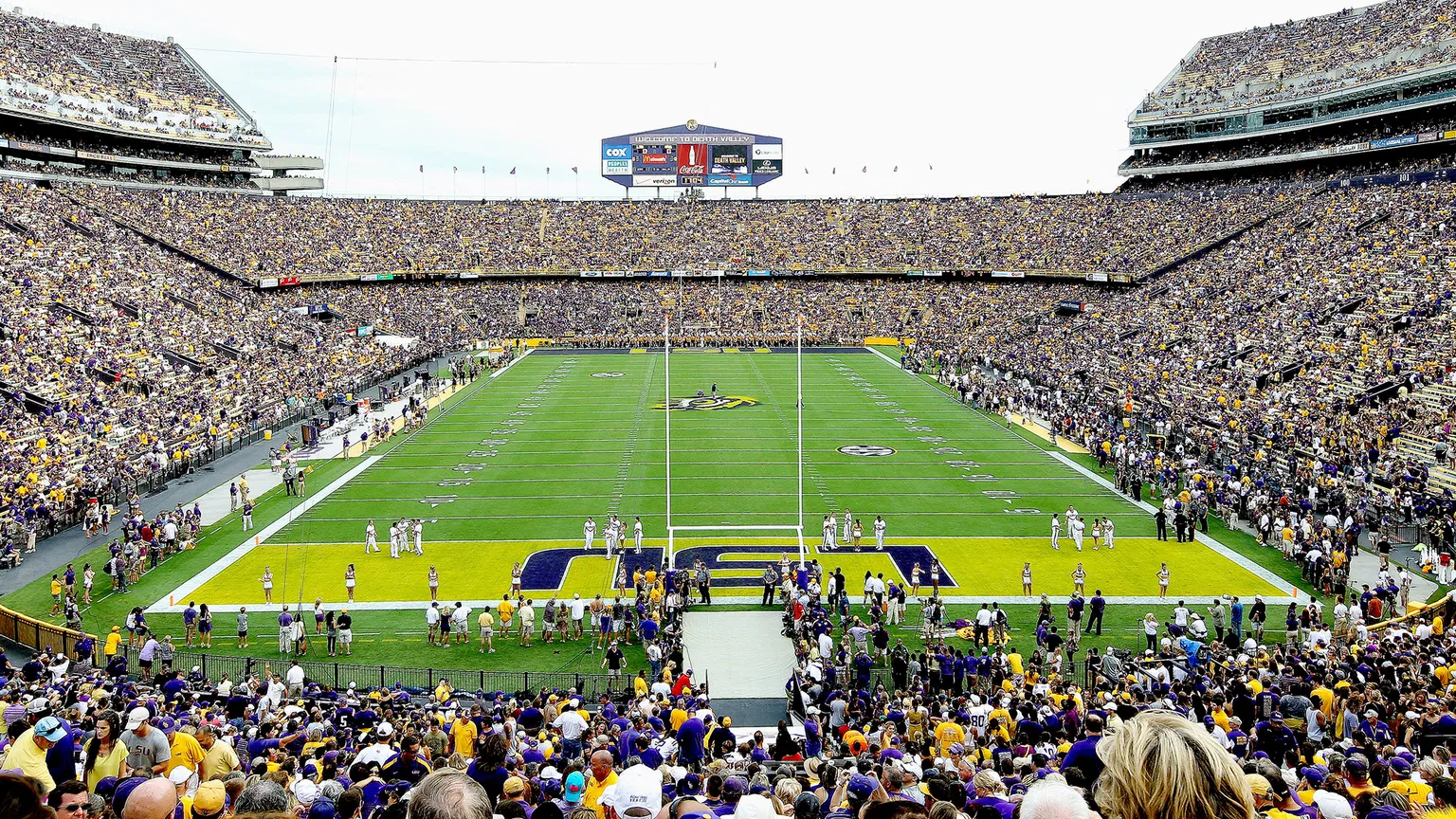
LSU football opened its 2026 season with a statement that echoed far beyond Baton Rouge — a 51-10 dismantling of Clemson in head coach Lane Kiffin's long-awaited debut at a sold-out Tiger Stadium. The Lane Train up-tempo offense piled up 644 total yards while dual-threat quarterback Sam Leavitt accounted for three touchdowns, handing Clemson its worst loss in about 30 years. Beneath the highlight reel, though, is a story health-focused readers can actually use: a real-world case study in elite conditioning, injury resilience, and game-day fueling that translates directly to your own workouts and weekly routine.
The game was effectively decided before halftime. By the break, No. 11 LSU led 31-3, had outgained Clemson 336 yards to 54, and held a 21-to-1 edge in first downs — the kind of gap that comes from preparation as much as talent. Imagine if we had pro players, Kiffin joked during a brief halftime interview, a nod to the roster controversy that had dominated the week's headlines.
Inside LSU's 51-10 Statement Win
Leavitt complemented 113 rushing yards and two rushing touchdowns with 230 passing yards and another score, while edge rusher Jordan Ross returned an interception 30 yards for a touchdown. Running back Dilin Jones, a Wisconsin transfer, added 113 yards and two scores of his own as LSU pushed the lead to 44-3 by the third quarter.
The offense moved at a blistering pace from the opening whistle, running 23 plays for 140 yards in the first quarter alone. A sellout crowd of 102,000 packed Tiger Stadium despite a downpour and a lightning delay that pushed kickoff back nearly two hours. Everyone saw what this offense is capable of — I mean, the quarterback we have, the offensive coordinator, the offensive line, Jones said. We really felt like we could just go out there and execute.
Clemson coach Dabo Swinney was blunt after the most lopsided loss his program has absorbed since falling 41-0 to Syracuse. You're not going to win if you can't stop the run, Swinney said. We just did a really poor job of setting the edge, especially versus the quarterback run, which really killed us.
The Athletic Engine Behind the Lane Train
For anyone chasing better fitness, LSU's performance is a textbook example of how conditioning — not just scheme — wins games. Kiffin's up-tempo system demands repeated, near-maximal bursts with minimal recovery, which is essentially high-intensity interval training applied to a football field. The Tigers ran 23 plays in the opening quarter and finished with a 36:09-to-23:51 time-of-possession edge, sustaining effort deep into the game while Clemson visibly wore down.
That translates to a simple workout lesson: if you want to build real-world endurance, alternate short, hard efforts with brief recovery rather than grinding at one steady pace. Sprint intervals, sled pushes, and tempo runs mimic the stop-start demands that separated LSU from Clemson on the scoreboard.
Strength also told. LSU controlled the line of scrimmage and limited Clemson to 145 total yards, and much of that dominance traces back to the weight room. Compound lifts — squats, deadlifts, presses, and rows — build the lower-body power and core stability that showed up in every LSU run and tackle. You don't need a Division I facility to apply the same principle: two to three full-body strength sessions a week, built around progressive overload, will do more for your athleticism than endless isolated accessory work.
What Sam Leavitt's Comeback Teaches About Recovery
Leavitt's breakout is also a lesson in patience. The transfer helped lead Arizona State to the College Football Playoff in 2024, only to watch his 2025 season derailed by a foot injury. Rather than rush back, he rebuilt gradually — and returned to account for three touchdowns in his LSU debut. Anything I can do to help my team get into the end zone I will do, Leavitt said. I'm going to take the plays when they come to me.
For everyday athletes, the takeaway is straightforward: injuries are not the end of the road, but shortcuts are. Progressive loading, mobility work, and listening to your body beat ignoring pain every time. Rehab is training — treat it with the same structure and consistency as your main workouts, and you come back stronger instead of sidelined again.
Eat Smart on Saturdays: Game-Day Fueling and Healthy Tailgating
You don't have to play for LSU to eat like the occasion matters. Game day is where nutrition plans often collapse — fried everything, sodium-heavy snacks, and sugary drinks pile up fast over a three-hour watch party. The fix isn't deprivation; it's smart swaps that keep the flavor without the crash.
Fill your plate with lean proteins and fiber first: grilled chicken or shrimp skewers, turkey burgers, black bean dip, and a big tray of roasted vegetables or fresh fruit. Louisiana classics adapt beautifully — lean into a shrimp-and-sausage jambalaya made with turkey sausage and brown rice, or an air-fried take on your favorite appetizer instead of a deep-fried one. Hydrate with water or sparkling water between drinks, and pace alcohol so you don't undo a week of progress in one afternoon.
Foods to keep on the sideline: processed chips and dips, fried wings and poppers, and sugary mixed drinks. They spike blood sugar, spike sodium, and leave you sluggish well before the fourth quarter — the opposite of how LSU's offense looked on the field.
Where LSU Football Stands After Week 1
The win moved LSU to 1-0 and first in the SEC, with the Tigers ranked No. 11 nationally. The Kiffin era, delayed once by weather and once by the eligibility saga around former players Dae'Quan Wright and Zxavian Harris, is now officially rolling. Kiffin, who faced heavy criticism in the weeks leading up to the opener, framed the result simply. My job is what I believe is right, he said.
What's Next for the Tigers
LSU's schedule only gets tougher, and the program will lean on the same formula that produced Saturday's rout: an up-tempo offense, a dual-threat quarterback, and a roster built on speed and strength. For fans, the season is a reminder that the habits that build a contender — consistent training, smart recovery, and clean fueling — are the same ones that build a healthier everyday routine. You just have to run them week in and week out.
The Bottom Line
LSU's 51-10 win over Clemson was more than a scoreboard statement — it was a clinic in what conditioning and preparation can do. Key takeaways:
- High-intensity, stop-start training builds the endurance LSU showed in its up-tempo offense.
- Compound strength work is the foundation of the team's physical dominance.
- Leavitt's injury comeback proves patient, progressive rehab beats shortcuts.
- Game-day nutrition is about smart swaps — lean protein, fiber, and hydration — not deprivation.