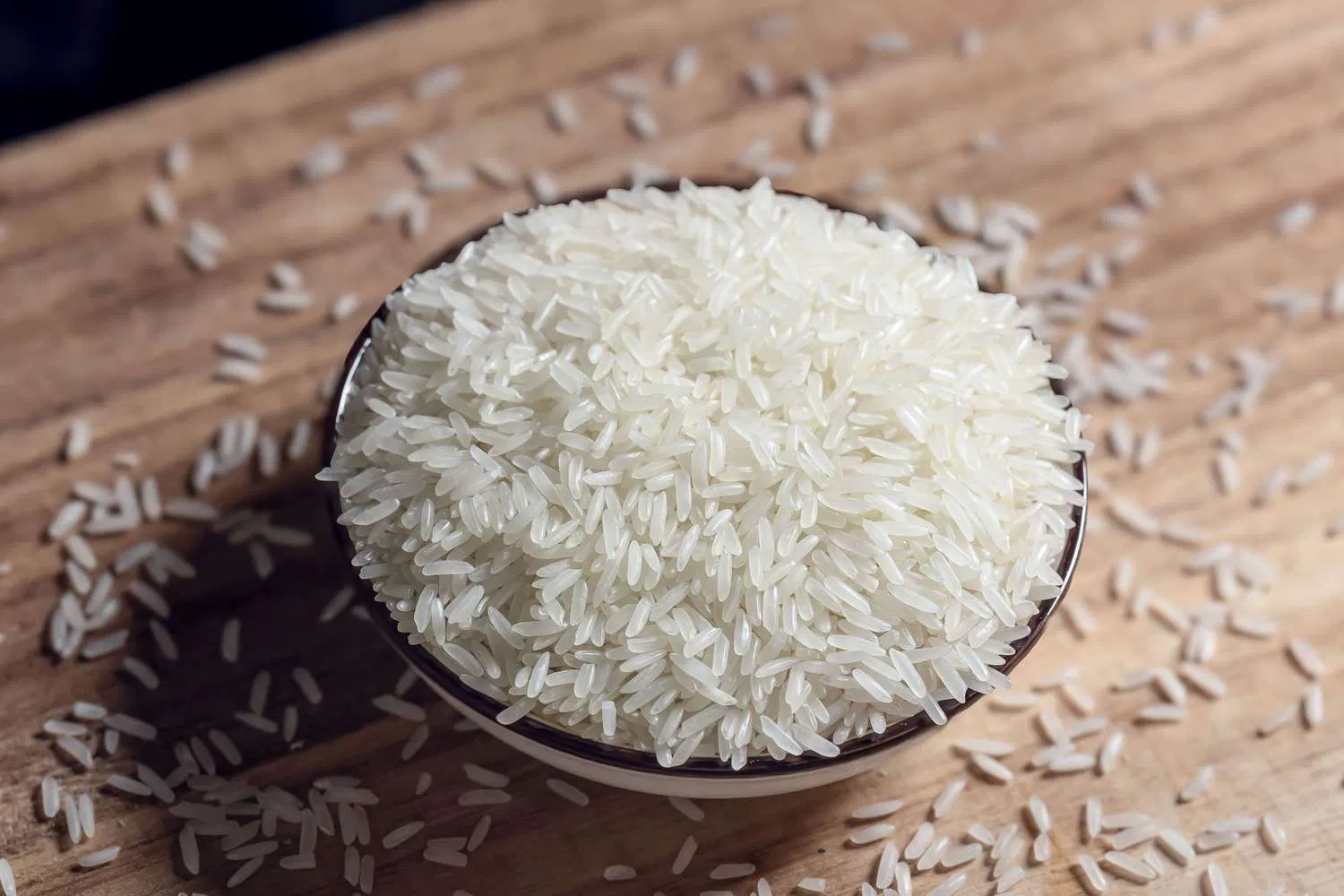
A major food‑safety alert has been issued for a popular pantry staple: Wegmans, the East Coast supermarket chain, has voluntarily recalled thousands of 2‑pound bags of Lundberg Organic Jasmine White Rice due to the possible presence of foreign material that could pose a health risk. The nationwide recall, which the U.S. Food and Drug Administration (FDA) has classified as a Class II event, affects specific lot codes tied to February 2027 best‑by dates. For health‑conscious consumers, this recall underscores the importance of vigilance in checking pantry items and understanding how food‑safety recalls work.
The Recall: What Happened and Why
On April 4, 2026, Wegmans announced it was pulling Lundberg Organic Jasmine White Rice from its shelves after the manufacturer, Lundberg Family Farms, notified the company that the product might contain foreign material. The recall notice states that the contamination was discovered during routine quality‑control checks, though the exact nature of the foreign material has not been publicly detailed. However, multiple sources, including FDA Class II recall notices, indicate that the foreign object appears to be of rodent origin—a serious contamination that can lead to temporary illness or medically reversible health effects.

Lundberg Family Farms, a well‑known organic‑rice producer based in Richvale, California, has emphasized that no illnesses have been reported in connection with the recalled rice. Nevertheless, the company and Wegmans are urging consumers to check their pantries immediately. “We are committed to providing safe, high‑quality products,” a Lundberg spokesperson said in a statement obtained by Syracuse.com. “Out of an abundance of caution, we are voluntarily recalling this limited batch.”
Identifying the Affected Products
The recall is limited to 2‑pound bags of Lundberg Organic Jasmine White Rice with the following identifying marks:
- UPC: 073416‑040281
- Lot Code: 260202
- Best‑By Dates: February 1, 2027 and February 2, 2027
These bags were sold at Wegmans stores across the United States and may also have been distributed to other retailers, including Target, according to some reports. The recall covers approximately 4,500 cases—each case contains multiple individual bags—meaning thousands of bags are potentially affected. Consumers who have purchased the rice should look for the lot code and best‑by date printed on the back of the package.
Timeline: How the Recall Unfolded
The events leading to the recall followed a typical food‑safety protocol. In early April, Lundberg Family Farms’ quality‑assurance team detected an anomaly during a routine inspection. The company immediately notified Wegmans and the FDA, triggering a voluntary recall on April 4. By April 10, major news outlets began reporting the story, and the FDA posted the recall on its official enforcement report, classifying it as Class II. Over the following days, the recall gained widespread attention as health and food‑safety websites echoed the warning. As of April 13, no additional batches have been added to the recall, and Lundberg says it is working with retailers to ensure all affected product is removed from store shelves.
Understanding FDA Class II Recalls and Health Risks
FDA recall classifications help consumers gauge the severity of a product’s potential hazard. A Class II recall, like this one, means that exposure to the product may cause temporary or medically reversible adverse health consequences. In this case, the primary concern is the possible presence of foreign material—especially if it is of rodent origin. Consuming food contaminated with rodent debris can lead to foodborne illnesses, allergic reactions, or physical injury. While the risk is considered remote, the FDA and manufacturers treat such incidents seriously to prevent any harm.
“Class II recalls are not the most severe, but they are far from trivial,” explains Dr. Amanda Chen, a food‑safety specialist. “Foreign‑material contamination can introduce pathogens or cause choking, cuts, or dental damage. It’s crucial that consumers heed these warnings and return the product.”
What to Do If You Have Recalled Rice
If you find the recalled Lundberg Organic Jasmine White Rice in your pantry, take these steps immediately:
- Stop using the product. Do not cook or consume the rice.
- Check the UPC, lot code, and best‑by date to confirm it matches the recalled information.
- Return the product to Wegmans for a full refund, even if you no longer have the receipt. Other retailers that sold the rice should also accept returns.
- Dispose of the rice safely if you cannot return it—seal it in a plastic bag and place it in a secure trash container to prevent accidental consumption by people or animals.
- Monitor your health if you have already eaten the rice and experience any unusual symptoms; contact your healthcare provider and report the incident to the FDA via its Safety Reporting Portal.
Wegmans has set up a dedicated customer‑service line (1‑800‑WEGMANS) for questions about the recall.
The Bigger Picture: Food Safety in Your Pantry
Recalls like this one highlight the importance of proactive food‑safety habits. Even organic and trusted brands can encounter production issues. To protect your household:
- Register purchased products with the manufacturer when possible—many companies will notify you directly if a recall occurs.
- Subscribe to recall alerts from the FDA and USDA, or use apps that track food‑safety notices.
- Inspect dry goods carefully before use. Look for unusual odors, colors, or foreign objects.
- Practice first‑in, first‑out (FIFO) rotation in your pantry to ensure older items are used before newer ones.
Food safety is a cornerstone of healthy eating. By staying informed and taking simple precautions, you can minimize risks and keep your kitchen a safe space for nutritious meals.
Latest Updates and Current Status
As of April 13, 2026, the recall remains active. Wegmans has removed all affected lot codes from its stores, and Lundberg Family Farms continues to work with distribution partners to ensure the product is not available elsewhere. The FDA’s recall entry notes that the agency is monitoring the situation and will take further action if additional hazards are identified. No expansion of the recall has been announced, and no illnesses have been linked to the rice. Consumers who have questions can contact Lundberg Family Farms directly through its website or customer‑service channels.
Staying Informed About Future Recalls
Food recalls are a reality of modern supply chains, but you don’t have to be caught off guard. Bookmark the FDA’s recall page (fda.gov/safety/recalls) and the USDA’s Food Safety and Inspection Service site for meat, poultry, and egg recalls. Many grocery stores also post recall notices on their websites and in‑store bulletins. For health‑focused individuals, following reputable nutrition and wellness outlets—like KaleAndCardio—can provide timely alerts and context about recalls that affect the foods you eat every day.
Key Takeaways for Health‑Conscious Consumers
This Lundberg white‑rice recall serves as a timely reminder that food safety is an integral part of a healthy lifestyle. Remember these points:
- Always check recall notices for products you regularly buy, especially pantry staples.
- Understand FDA recall classifications—Class II means the product could cause temporary health issues.
- Return recalled items promptly; retailers typically offer full refunds.
- Use recalls as a learning opportunity to strengthen your own food‑safety practices.
By staying alert and informed, you can enjoy the benefits of healthy eating while minimizing the risks that occasionally arise in our food system. Your vigilance is your best defense.