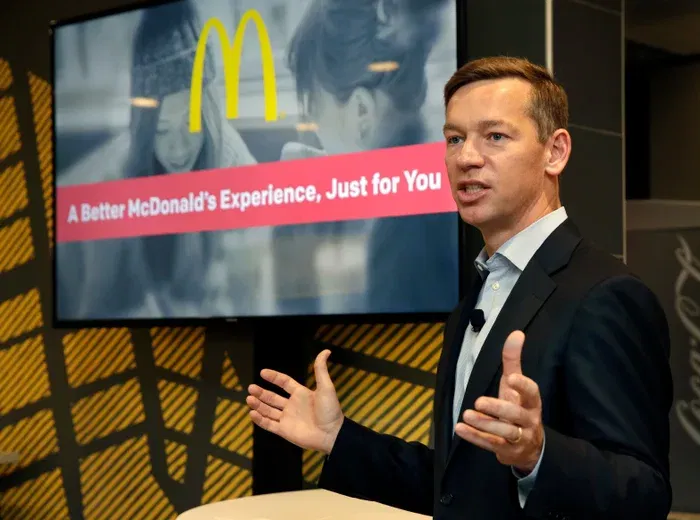
McDonald's CEO Chris Kempczinski has become the unexpected star of a viral social media moment after posting an awkward promotional video tasting the fast-food giant's new Big Arch burger. The clip, which shows Kempczinski taking a tentative bite and referring to the burger as a "product," sparked widespread mockery across platforms like Instagram, X, and TikTok. But beyond the internet humor lies a more serious story about modern fast food consumption, nutritional values, and what this 1,020-calorie burger represents for health-conscious consumers.
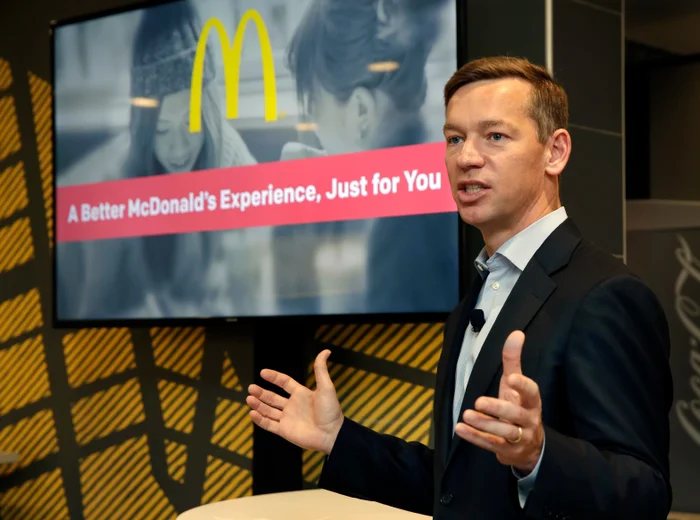
How the Viral Moment Unfolded: Inside the CEO's Awkward Taste Test
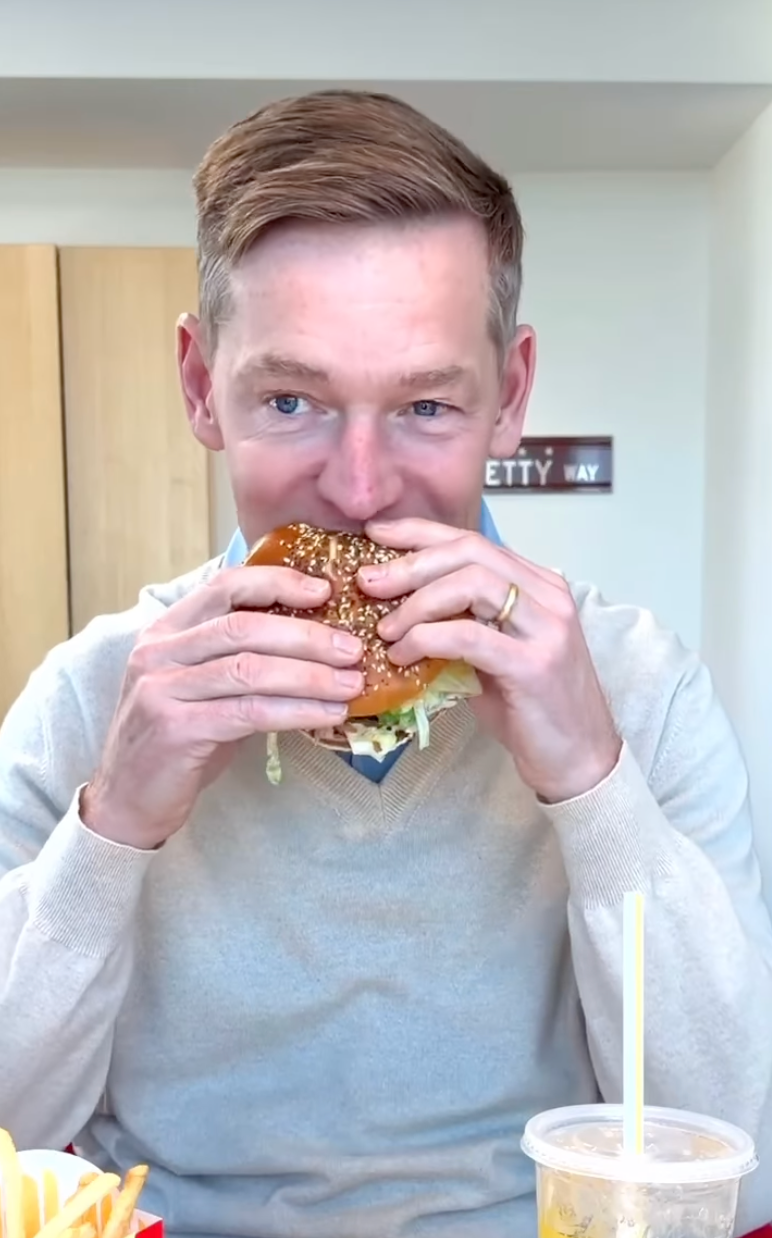
The now-infamous video, posted to Kempczinski's personal Instagram account in late February 2026, shows the McDonald's CEO standing in what appears to be a corporate setting. He begins by praising the new Big Arch burger before taking a conspicuously small bite. Viewers immediately noted his hesitant body language, forced smile, and the corporate-speak language he used throughout the clip. "I'm excited to try this new product," Kempczinski says in the video, emphasizing the word "product" in a way that many found telling.
Social media reactions ranged from amused to critical. One viral tweet read, "His aura screams kale salad," while another user commented, "When even the CEO can't pretend to enjoy it." The video gained millions of views within days, with many questioning why the head of one of the world's largest fast-food chains seemed so disconnected from his own product. Industry observers noted the stark contrast between Kempczinski's performance and typical enthusiastic celebrity endorsements, raising questions about authentic marketing in the age of social media.
Timeline: From Burger Launch to Viral Backlash
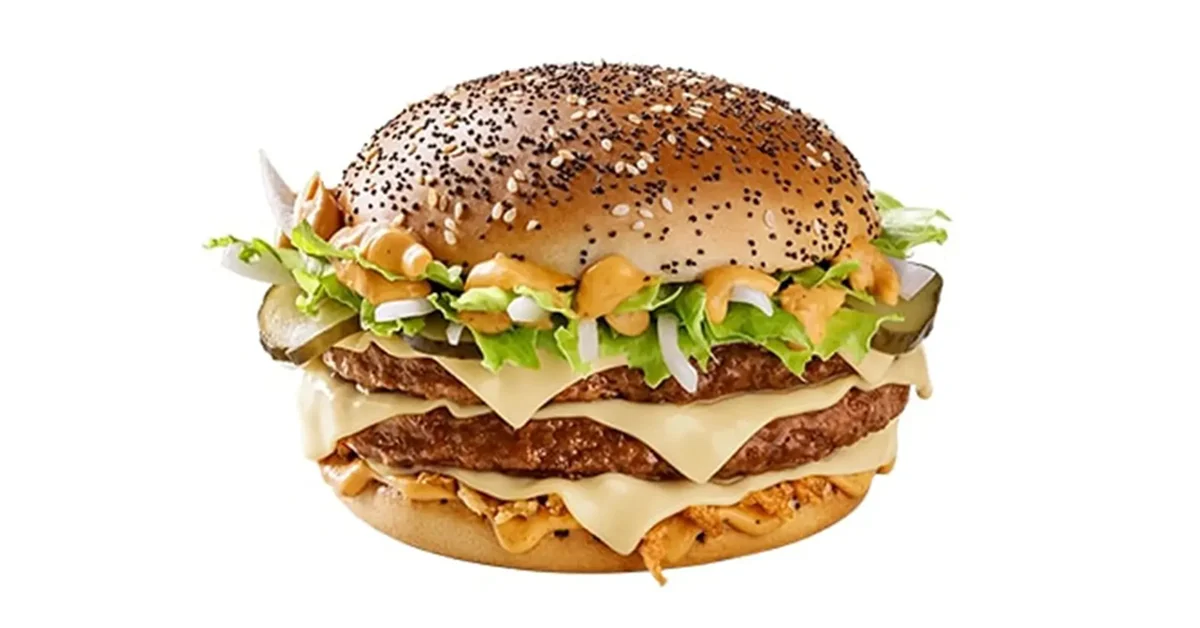
The Big Arch burger's journey to viral infamy followed a carefully planned rollout that quickly veered into unexpected territory. McDonald's announced the burger's U.S. debut on February 27, 2026, with a scheduled nationwide launch for March 3. The company positioned it as their "most McDonald's burger yet," featuring two quarter-pound beef patties, three slices of white cheddar, crispy onions, pickles, lettuce, and a new "Arch Sauce" on a potato bun.
Kempczinski's promotional video was posted on February 28 as part of the marketing push. By March 1, the clip had gone viral across multiple social platforms. On March 2, major news outlets including The Guardian, Newsweek, and the New York Post picked up the story, amplifying the mockery. Burger King entered the fray on March 3 with their own social media post mocking Kempczinski's awkward tasting, adding competitive fuel to the fire. Throughout this period, nutritionists and health experts began weighing in on the burger's staggering calorie count, shifting the conversation from corporate awkwardness to public health concerns.
Why the Big Arch Burger Matters: Expert Analysis and Health Impact
While the CEO's video provided internet entertainment, the real story lies in the nutritional profile of the Big Arch burger. At 1,020 calories per sandwich (without fries or a drink), this represents McDonald's most calorie-dense burger ever created. To put this in perspective: a Big Mac contains 580 calories, meaning the Big Arch has nearly double the caloric content of McDonald's flagship product.
Nutritionists have expressed significant concern about these numbers. "This burger alone represents two-thirds of the average adult's daily recommended calorie intake," explained one nutrition expert quoted in industry reports. "When you consider that most people would pair this with fries and a sugary drink, you're looking at a single meal that could exceed 1,600 calories – essentially an entire day's worth of calories for many individuals."
The burger also contains 53 grams of protein, 59 grams of total carbohydrates, 65 grams of total fat, and just 3 grams of fiber. Health professionals note that while the protein content is substantial, the extremely low fiber-to-calorie ratio and high saturated fat content raise red flags for cardiovascular health and weight management.
Where Things Stand Now: Latest on the Big Arch Controversy
As of early March 2026, the Big Arch burger is available at participating McDonald's locations across the United States for a limited time. The viral video continues to generate discussion, with some marketing analysts suggesting it may have inadvertently helped promotion through sheer visibility. However, health advocates are using the moment to draw attention to broader issues in the fast-food industry.
McDonald's has not issued any official response to the viral mockery, maintaining focus on the product launch. Meanwhile, competitor Burger King has capitalized on the moment with social media posts highlighting their own executives more enthusiastically consuming their products. The conversation has expanded to include discussions about corporate transparency, with some consumers questioning whether Kempczinski's awkwardness reflects deeper issues within fast-food marketing strategies.
What Happens Next: The Road Ahead for Fast Food and Health
The Big Arch burger controversy arrives at a pivotal moment for the fast-food industry. With increasing consumer awareness about nutrition, the rise of GLP-1 weight-loss drugs, and growing demand for healthier options, chains like McDonald's face pressure to balance indulgent offerings with nutritional responsibility. Industry observers predict several potential outcomes: increased transparency about calorie counts, more balanced menu options, or possibly even a shift away from extreme portion sizes.
For health-conscious consumers, this episode serves as a reminder to critically examine fast-food marketing claims and nutritional information. While occasional indulgences are part of a balanced lifestyle, understanding the true impact of menu items like the 1,020-calorie Big Arch burger is essential for making informed dietary choices. The viral moment may fade, but the conversation about fast food's role in public health is likely to continue evolving.
The Bottom Line: Key Points to Remember
- McDonald's CEO Chris Kempczinski's awkward Big Arch burger tasting video went viral in March 2026, sparking widespread social media mockery
- The Big Arch burger contains 1,020 calories – nearly double a Big Mac – making it McDonald's most calorie-dense burger ever
- Nutritionists warn the burger represents two-thirds of the average adult's daily recommended calorie intake
- The burger launched in the U.S. on March 3, 2026, for a limited time with two quarter-pound patties and special Arch Sauce
- Burger King capitalized on the viral moment by mocking McDonald's CEO's promotional approach
- Health-conscious consumers should be aware of extreme calorie counts when making fast-food choices