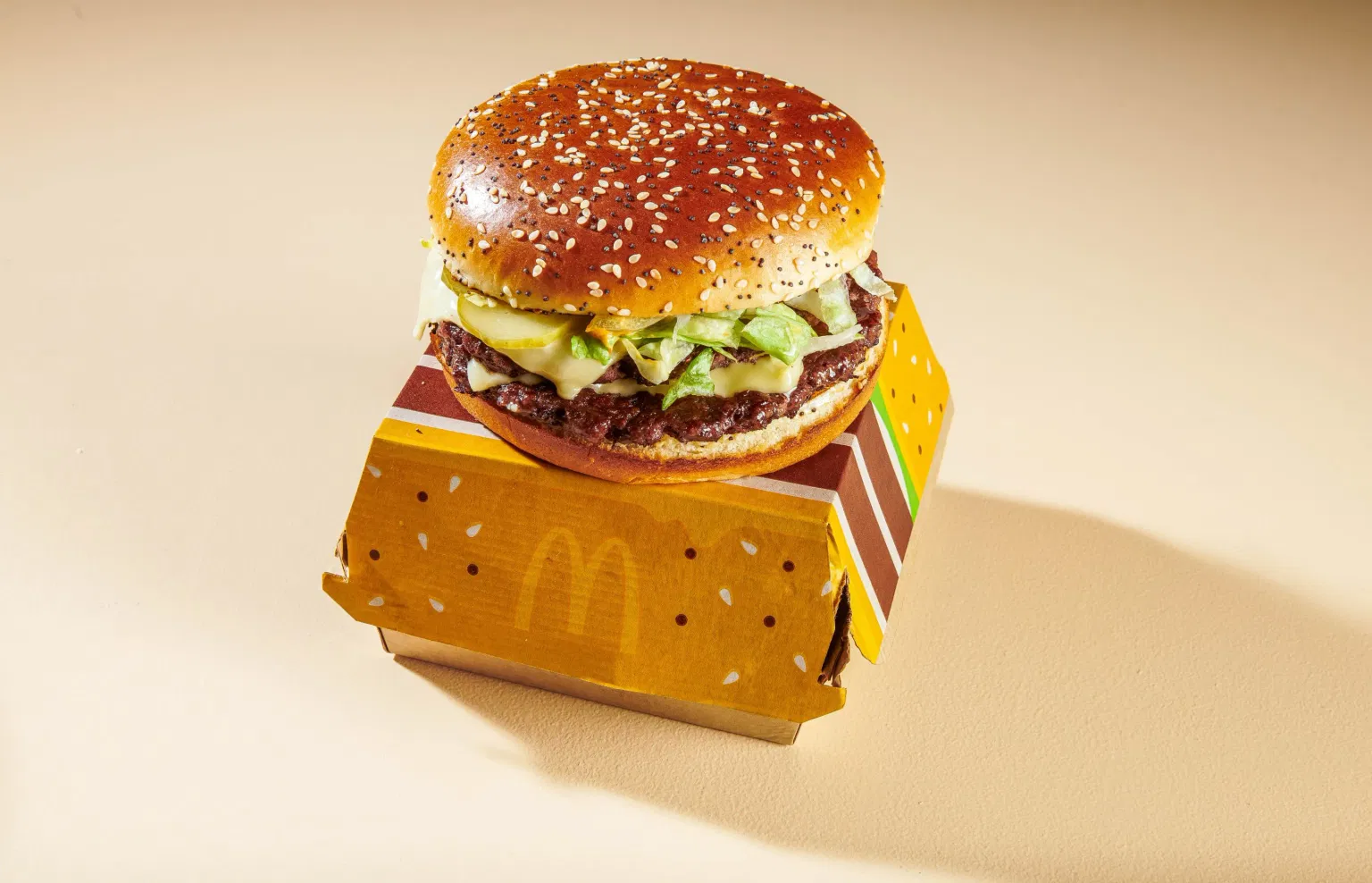
McDonald's CEO Chris Kempczinski became an unlikely internet sensation this week after a promotional video of him tasting the chain's new Big Arch burger went viral for all the wrong reasons. The awkward clip, which shows Kempczinski taking a tiny, hesitant bite before declaring "That is so good," has sparked widespread mockery and raised serious questions about what fast food companies aren't telling us about their products. More importantly, it's opened a crucial conversation about the nutritional realities behind the marketing—and why burgers like the Big Arch should give health-conscious consumers serious pause.
The Viral Video That Exposed Fast Food's Reality
In the now-infamous video posted to McDonald's social media channels, CEO Chris Kempczinski appears visibly uncomfortable as he attempts to promote the new Big Arch burger. His minuscule bite and strained delivery immediately set the internet ablaze, with commentators noting that he seemed reluctant to eat his own product. When questioned about the awkward moment, Kempczinski offered a surprising explanation: "My mother taught me, 'Don't talk with your mouth full,'" he told The Wall Street Journal in a follow-up interview.
While the CEO's etiquette defense provided more fodder for online humor, nutrition experts saw something more concerning in the video. "What we're really seeing here is the disconnect between fast food marketing and nutritional reality," says registered dietitian Dr. Sarah Chen, who analyzed the incident for several health publications. "When even the CEO of the company appears hesitant to consume the product, it should make consumers question what they're actually putting in their bodies."
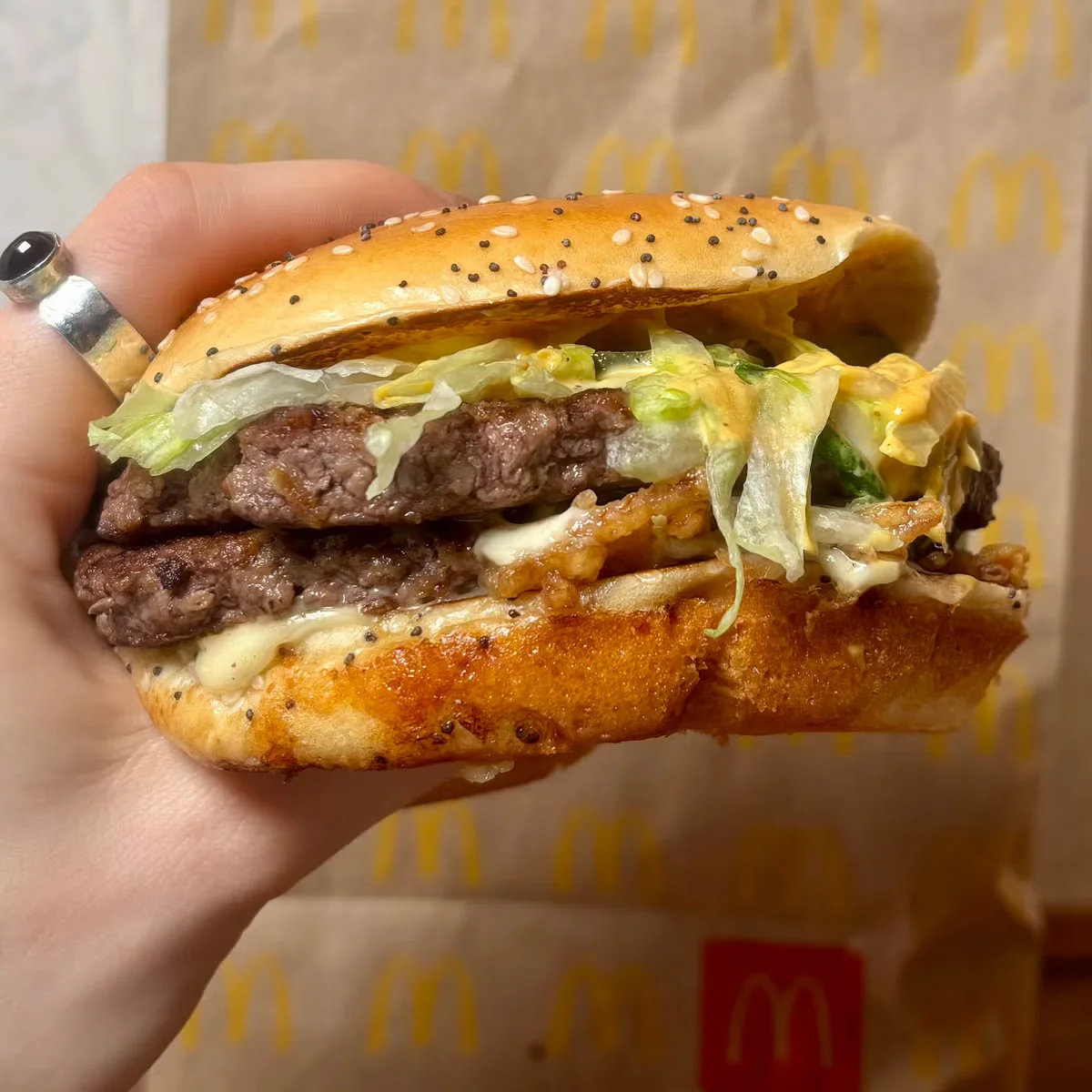
Breaking Down the Big Arch's Alarming Nutrition Facts
The Big Arch isn't just another burger—it's a nutritional powerhouse in all the wrong ways. According to McDonald's own nutrition information, this single sandwich contains:
- 1,020 calories — That's approximately two-thirds of the daily recommended calorie intake for most adult women
- 65 grams of total fat (84% of daily value)
- 25 grams of saturated fat — more than a full day's recommended maximum
- 1,760 milligrams of sodium (77% of daily value)
- 59 grams of carbohydrates
- 53 grams of protein
"This burger represents everything that's wrong with the current fast food landscape," says the Center for Science in the Public Interest, which has labeled the Big Arch "the unhealthiest burger on McDonald's menu." The organization notes that the saturated fat content alone exceeds what health experts recommend consuming in an entire day, while the sodium level approaches the American Heart Association's maximum recommended daily limit of 2,300 milligrams.
Why This Burger Is a Health Hazard
Regular consumption of foods like the Big Arch burger can have serious consequences for your health. "When you consume 1,020 calories in a single sitting, especially from a meal high in saturated fat and sodium, you're setting yourself up for multiple health issues," warns Dr. Michael Torres, a cardiologist and nutrition researcher. These risks include:
- Weight gain and obesity: Consuming excess calories regularly leads to weight accumulation, increasing risk for numerous health conditions
- Heart disease: High saturated fat intake raises LDL ("bad") cholesterol levels, contributing to arterial plaque buildup
- High blood pressure: The 1,760mg of sodium can cause fluid retention and increased blood pressure
- Increased diabetes risk: Large, high-carbohydrate meals can spike blood sugar levels and strain insulin response
- Digestive issues: Such large, fatty meals can cause discomfort, acid reflux, and other digestive problems
What makes the Big Arch particularly concerning is that these numbers represent just the burger alone—adding fries and a sugary drink, as many consumers do, can push a single meal past 1,800-2,000 calories, essentially consuming an entire day's worth of calories in one sitting.
Healthier Fast Food Choices You Can Make
Despite the alarming nutrition profile of items like the Big Arch, it is possible to make healthier choices when eating fast food. Nutrition experts recommend these strategies:
- Opt for single-patty burgers: Choose regular hamburgers or cheeseburgers instead of double or triple patty options
- Remove calorie-dense toppings: Ask for sauces, mayonnaise, and cheese to be left off or served on the side
- Choose grilled over fried: Select grilled chicken sandwiches instead of breaded, fried options
- Incorporate vegetables: Add lettuce, tomato, and onion for fiber and nutrients without significant calories
- Watch your sides: Instead of fries, consider apple slices, side salads, or yogurt parfaits
- Hydrate wisely: Choose water, unsweetened tea, or diet beverages instead of sugar-loaded sodas
"At McDonald's specifically, better options include the regular Hamburger (250 calories), the Artisan Grilled Chicken Sandwich (380 calories), or even the classic McDouble (390 calories)," suggests nutritionist Lisa Reynolds. "The key is being mindful of portion sizes and choosing items with reasonable calorie counts."
Expert Tips for Navigating Fast Food Menus
Registered dietitians offer these evidence-based strategies for making healthier fast food choices:
- Plan ahead: Check nutrition information online before visiting a restaurant to identify healthier options
- Practice portion control: Consider sharing larger items or saving half for another meal
- Focus on protein and fiber: These nutrients promote satiety and help control hunger
- Limit added sugars: Be cautious with sauces, dressings, and beverages that can add hidden sugars
- Listen to your body: Eat slowly and stop when you feel satisfied, not stuffed
- Balance your day: If you know you'll be eating fast food, make other meals lighter and more nutrient-dense
"The goal isn't to eliminate fast food entirely for most people," explains Dr. Chen. "It's about making informed choices and understanding that items like the Big Arch should be occasional treats rather than regular menu items. The viral video of McDonald's CEO should serve as a reminder that even the people promoting these products might understand their limitations better than we do."
The Bottom Line: Your Health Is Worth More Than a Viral Moment
While Chris Kempczinski's awkward burger tasting has provided plenty of internet entertainment, it's also highlighted an important truth about the fast food industry: marketing often obscures nutritional reality. The Big Arch burger, with its staggering 1,020 calories and excessive saturated fat and sodium, represents the extreme end of a troubling trend toward ever-larger, ever-less-healthy menu items.
As consumers, we have the power to make better choices. By educating ourselves about nutrition, practicing portion control, and prioritizing balanced meals, we can enjoy the convenience of fast food without compromising our health. The next time you're tempted by a massive, heavily marketed burger like the Big Arch, remember that your long-term health is worth more than any temporary satisfaction—and that even the CEO himself seemed to understand this on some level.