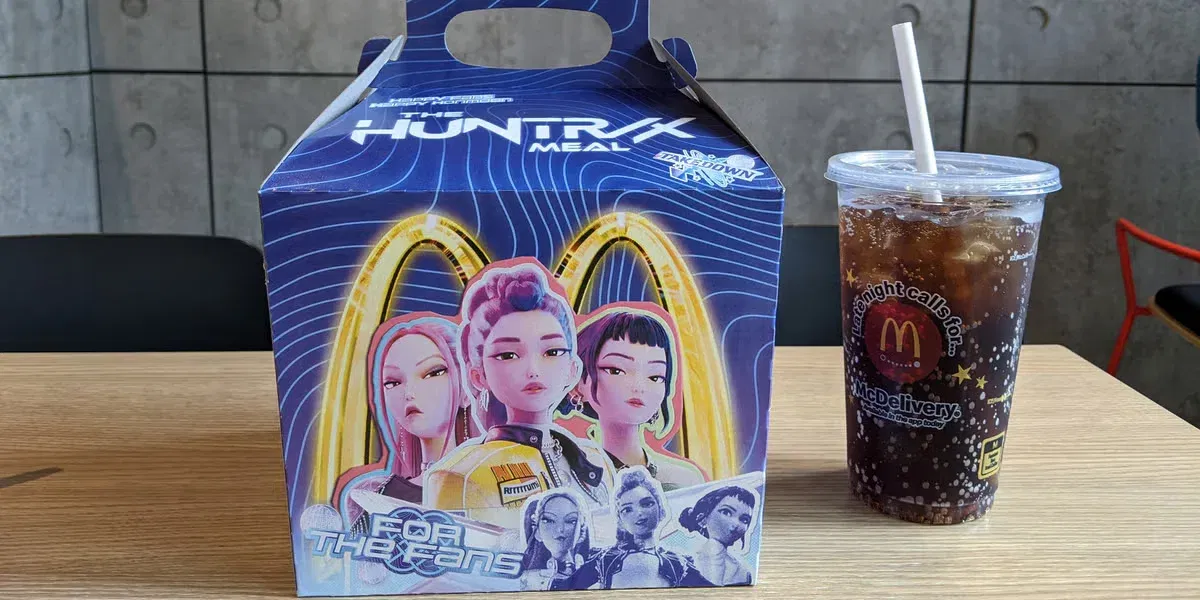
McDonald's latest collaboration with Netflix's KPop Demon Hunters has taken social media by storm, but behind the colorful packaging and trendy photocards lies a nutritional reality that health-conscious consumers need to hear. The limited-time Derpy McFlurry—a vanilla soft-serve dessert loaded with wild berry sauce and popping tapioca pearls—packs a staggering 400 calories and 52 grams of sugar in a single regular serving. That's more added sugar than the American Heart Association recommends for an entire day, all disguised as a playful treat inspired by animated characters.
Breaking Down the Derpy McFlurry: What's Really in That Cup
According to McDonald's official nutrition information, the regular Derpy McFlurry contains 400 calories, 8 grams of fat (5 grams saturated), 72 grams of carbohydrates, and 52 grams of sugar. To put that into perspective, 52 grams of sugar is equivalent to approximately 13 teaspoons of granulated sugar—more than you'd find in two cans of regular Coca-Cola. The dessert also contains 150 milligrams of sodium and 35 milligrams of cholesterol, making it a triple threat of excessive sugar, sodium, and unhealthy fats.
"When fast food chains collaborate with popular media franchises, they're often targeting younger audiences who may not consider the nutritional consequences," says registered dietitian Sarah Johnson. "A dessert with this much sugar can lead to energy crashes, increased cravings, and long-term health issues when consumed regularly." The Derpy McFlurry's sugar content exceeds the American Heart Association's recommended daily limit of 25 grams for women and 36 grams for men in just one serving.

The Complete KPop Demon Hunters Menu: More Than Just a McFlurry
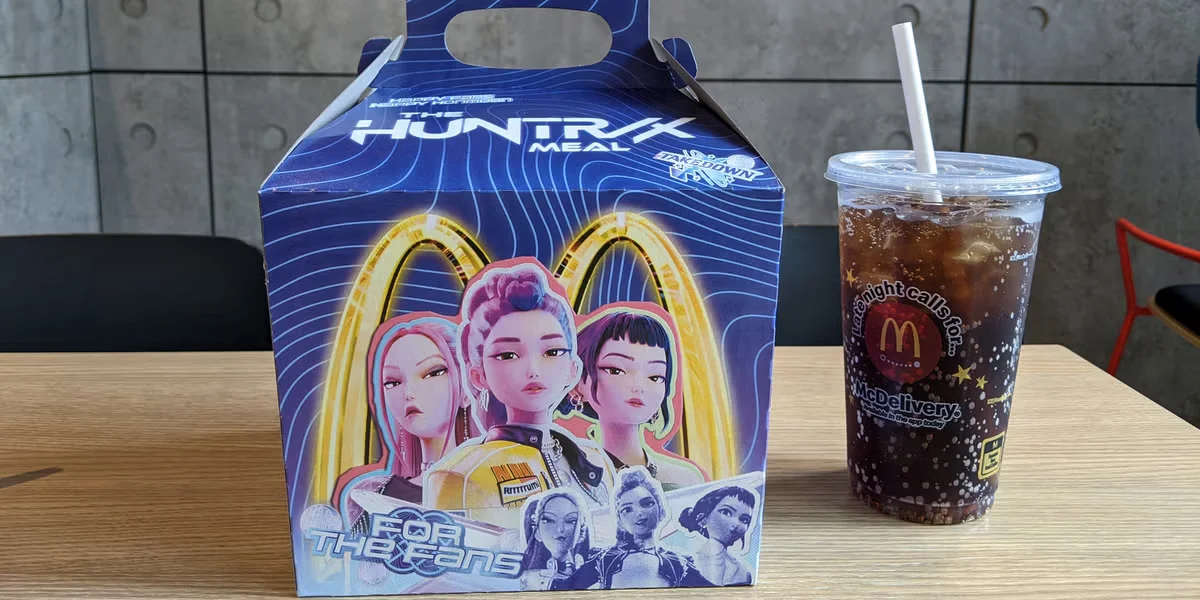
While the Derpy McFlurry has captured attention, McDonald's full KPop Demon Hunters collaboration includes two combo meals that present additional health concerns. The HUNTR/X Meal features 10-piece Chicken McNuggets, fries, a drink, and the new Hunter Sauce, while the Saja Boys Breakfast Meal includes a Spicy Sausage McMuffin, hash brown, drink, and Saja sauce. According to McDonald's nutrition data, the complete Saja Boys Breakfast Meal contains approximately 800 calories, 39 grams of fat, 101 grams of carbohydrates, and 1,560 milligrams of sodium.
"These meals represent a perfect storm of processed ingredients, excessive sodium, and empty calories," notes nutrition researcher Dr. Michael Chen. "The Hunter and Saja sauces add additional sugar and sodium layers that most consumers don't account for when ordering." The HUNTR/X Meal similarly clocks in at over 900 calories with high sodium levels that approach recommended daily limits in a single meal.
Timeline: How Fast Food Collaborations Became Health Hazards
The McDonald's and KPop Demon Hunters partnership follows a growing trend of fast food chains leveraging pop culture to drive sales. March 31, 2026 marked the official launch date, with social media platforms immediately flooded with user-generated content featuring the colorful packaging and themed photocards. Within 48 hours, #DerpyMcFlurry had accumulated over 50,000 posts on TikTok and Instagram, demonstrating the powerful influence of media collaborations on consumer behavior.
This isn't McDonald's first venture into pop culture partnerships—previous collaborations with Travis Scott, BTS, and Nintendo's Pokémon have similarly driven massive sales while raising concerns about nutritional transparency. Health advocates point to a 2024 Canadian study published in the Journal of Nutrition Education and Behavior that found fast food marketing through social media and pop culture collaborations significantly increases consumption among adolescents and young adults.
Why This Collaboration Matters for Public Health
The KPop Demon Hunters collaboration arrives at a time when childhood obesity rates in the United States have reached historic highs, with the CDC reporting that nearly 20% of children and adolescents aged 2-19 years are classified as obese. "Marketing unhealthy foods through animated characters and popular music creates emotional connections that override rational nutritional decisions," explains public health expert Dr. Lisa Rodriguez. "Children and teens see these limited-time offerings as collectible experiences rather than nutritional choices."
Research from the University of Connecticut's Rudd Center for Food Policy & Health indicates that fast food consumption contributes directly to chronic diseases including type 2 diabetes, obesity, heart disease, and fatty liver disease. The center's 2025 report specifically highlighted the dangers of sugar-sweetened beverages and desserts like the Derpy McFlurry, noting that regular consumption can lead to insulin resistance and metabolic syndrome.
Where Things Stand Now: The Current Fast Food Landscape
As of April 2026, the McDonald's KPop Demon Hunters collaboration remains available at participating locations nationwide for a limited time. Social media monitoring shows continued high engagement, particularly among Gen Z consumers who are drawn to both K-pop culture and collectible merchandise. Nutrition advocacy groups have begun circulating educational materials about the collaboration's health implications, but face challenges competing with McDonald's estimated $50 million marketing campaign.
Several health organizations have called for clearer nutritional labeling on limited-time promotional items, arguing that consumers have a right to know what they're consuming before making purchasing decisions. "The excitement around these collaborations often overshadows the nutritional facts," says consumer rights advocate Mark Thompson. "We need regulations that require prominent display of sugar content and daily value percentages on all promotional materials."
What Happens Next: Healthier Alternatives and Smart Choices
For those tempted by the Derpy McFlurry or other fast food promotions, nutrition experts recommend several healthier alternatives that satisfy sweet cravings without the nutritional downsides. Homemade frozen yogurt made with Greek yogurt, fresh berries, and a touch of honey provides protein, probiotics, and natural sweetness with significantly less sugar. A simple banana "nice cream"—frozen bananas blended until creamy—offers a dairy-free alternative with potassium and fiber.
Registered dietitian Emily Watson suggests the following quick swaps for fast food desserts:
- Instead of the Derpy McFlurry: Blend frozen mixed berries with plain Greek yogurt and a teaspoon of honey
- Instead of the HUNTR/X Meal: Bake chicken tenders with whole-grain coating, serve with sweet potato fries and a side salad
- Instead of the Saja Boys Breakfast: Make a whole-grain English muffin with turkey sausage, avocado, and spinach
"These alternatives provide similar flavor profiles with more nutrients and less processed ingredients," Watson explains. "They also help break the cycle of sugar dependence that often follows high-sugar fast food consumption."
The Bottom Line: Key Takeaways for Health-Conscious Consumers
While the McDonald's KPop Demon Hunters collaboration represents clever marketing and cultural relevance, it also highlights the ongoing tension between food industry profits and public health. The Derpy McFlurry's 52 grams of sugar—more than a day's recommended limit—serves as a reminder that not all trending foods deserve a place in a balanced diet. By understanding the nutritional realities behind flashy promotions and making informed choices, consumers can enjoy cultural moments without compromising their health goals.
As fast food collaborations continue to evolve, health advocates emphasize the importance of nutritional literacy and mindful consumption. The temporary excitement of a limited-time treat shouldn't override the long-term benefits of a diet rich in whole foods, lean proteins, and natural sweetness. Your health is worth more than any collectible photocard or trending dessert.