In a move that signals how deeply weight‑loss medications are reshaping America’s eating habits, McDonald’s has begun testing a new line of high‑protein menu items aimed squarely at customers using GLP‑1 drugs such as Ozempic and Wegovy. The fast‑food giant’s CEO, Chris Kempczinski, confirmed the strategy during a February 2026 earnings call, noting that the chain is already seeing changes in customer behavior as more people turn to the appetite‑suppressing injections. While McDonald’s insists it’s already “pretty protein‑forward,” the company is now actively exploring how to adapt its iconic menu for a generation of diners who are eating less, snacking less, and prioritizing protein over carbs and sugar.
How McDonald’s Is Pivoting to Protein
The shift isn’t just a minor tweak—it’s a deliberate response to a seismic change in the food landscape. GLP‑1 medications, originally developed for type‑2 diabetes, have become wildly popular for weight loss because they dramatically reduce cravings and shrink portion sizes. As a result, people taking these drugs often seek out meals that are higher in protein and lower in empty calories. McDonald’s, which built its empire on burgers, fries, and sugary drinks, is now scrambling to meet that new demand. “We know that consumers’ behavior changes,” Kempczinski told investors, adding that the chain is testing “menu items to appeal to customers taking GLP‑1 medications.”
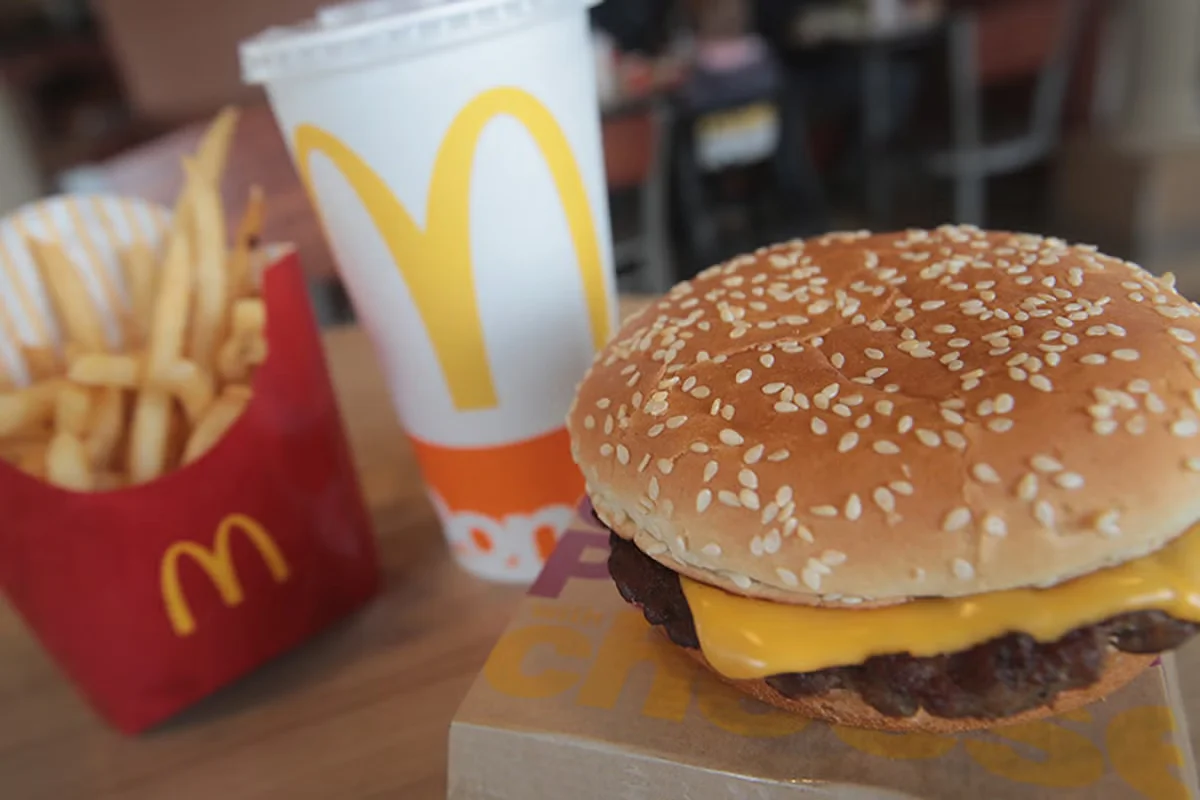
Vice President Jill McDonald pointed out that the chain already offers several protein‑heavy options, including Snack Wraps, Sausage Biscuit sandwiches, and McCrispy Strips. But the new tests go further: they involve items specifically designed to be “GLP‑1 friendly”—think lettuce‑wrapped burgers, grilled chicken strips as a permanent alternative to breaded versions, and even a “High Protein Menu” that might feature a 4‑ounce cup of meat. The goal is to give customers a satisfying, protein‑packed meal that aligns with the dietary guidance many receive while on weight‑loss drugs.
Timeline: How the GLP‑1 Trend Reached the Drive‑Thru
The story of McDonald’s protein pivot didn’t happen overnight. It’s the culmination of a multi‑year trend that has seen weight‑loss drugs go from a niche treatment to a mainstream phenomenon. In 2023, Novo Nordisk’s Ozempic and Wegovy became household names, with prescriptions soaring into the millions. By late 2024, food industry analysts began warning that the drugs could erase billions of dollars in snack and fast‑food sales. McDonald’s first publicly acknowledged the shift in early 2025, when executives noted a slight dip in per‑customer spending that they attributed to “changing eating patterns.”
By February 2026, the evidence had grown too strong to ignore. On a Wednesday earnings call, Kempczinski made the company’s most explicit statement yet: “We’re testing menu items to appeal to customers taking GLP‑1 medications.” Within hours, news outlets from USA Today to The Independent were reporting on the story, and financial analysts began speculating about how much of McDonald’s future revenue might hinge on its ability to cater to this new class of diner. The timeline underscores just how quickly a pharmaceutical trend can force even the largest food brands to rethink their offerings.
Why This Move Matters for Healthy Eating
For health‑conscious consumers, McDonald’s protein push is a double‑edged sword. On one hand, it’s a welcome sign that fast‑food chains are finally taking nutrition seriously—or at least responding to market pressure to do so. High‑protein, lower‑carb options can be a smarter choice for anyone trying to manage weight, build muscle, or simply eat more mindfully. The fact that a behemoth like McDonald’s is experimenting with lettuce wraps and grilled chicken suggests that healthier alternatives might soon become more widely available, even at the most unlikely places.
On the other hand, critics worry that the move is less about promoting health and more about protecting profits. GLP‑1 drugs are changing how people eat, and if McDonald’s doesn’t adapt, it risks losing a growing segment of customers. “This is about survival, not altruism,” says food industry analyst Maria Chen. “McDonald’s is watching its traditional customer base shrink—literally—and it’s scrambling to keep them coming back.” Still, if the result is a menu that offers more balanced, protein‑focused meals, it could be a net positive for public health. The key will be whether these new items are truly nutritious or just marketing gimmicks dressed up as “healthy.”
Where Things Stand Now
As of February 2026, McDonald’s high‑protein tests are still in the early stages. The company hasn’t revealed exactly which markets are trying the new items, nor has it provided a timeline for a nationwide rollout. What we do know is that the tests are part of a broader “cultural relevance” strategy that also includes late‑night meal collaborations (like a recent tie‑up with Drake’s OVO brand) and a continued focus on value meals. The protein initiative, however, is the most significant departure from the classic McDonald’s playbook.
Sales data from the last quarter shows that McDonald’s global same‑store sales jumped 5.7%, suggesting that the chain’s overall business remains strong. But behind those numbers, executives are clearly preparing for a future where a sizable portion of their customers eat less per visit. By getting ahead of the trend with protein‑rich options, McDonald’s hopes to retain those customers—and perhaps even attract new ones who are looking for fast food that fits a healthier lifestyle.
What Happens Next
The road ahead will likely see more fast‑food chains follow McDonald’s lead. Already, Smoothie King has launched a “GLP‑1 menu” with added protein and fiber, and Conagra has begun labeling some Healthy Choice frozen meals as “GLP‑1 friendly.” As weight‑loss drug usage continues to rise, expect every major restaurant brand to tout its protein offerings. For McDonald’s, the next steps will involve refining the test items, gathering customer feedback, and deciding which products deserve a permanent spot on the menu.
Health experts will be watching closely to see whether these changes lead to genuinely better nutritional profiles or simply more clever packaging. “The real test,” says registered dietitian Lisa Park, “is whether McDonald’s can reduce sodium, cut added sugars, and boost fiber in these new items—not just add protein.” If the chain can deliver on those fronts, it could mark a meaningful shift toward healthier fast food. If not, the protein push may be remembered as just another marketing stunt in a long history of them.
The Bottom Line
McDonald’s decision to test high‑protein menu items for GLP‑1 users is a clear sign that weight‑loss drugs are reshaping the food industry. While the move is driven by business necessity, it has the potential to make healthier options more accessible at one of the world’s most visited restaurant chains. For now, customers can look forward to more protein‑packed choices—from Snack Wraps to lettuce‑wrapped burgers—that align with modern dietary trends. Whether this marks the beginning of a truly healthier McDonald’s remains to be seen, but it’s a step that nutrition‑minded consumers should welcome.