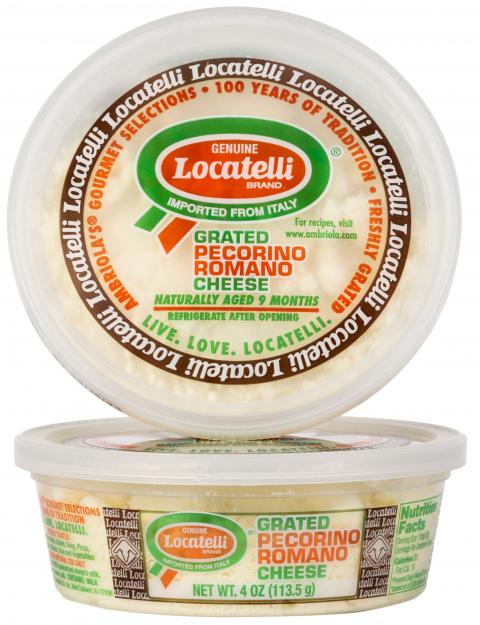
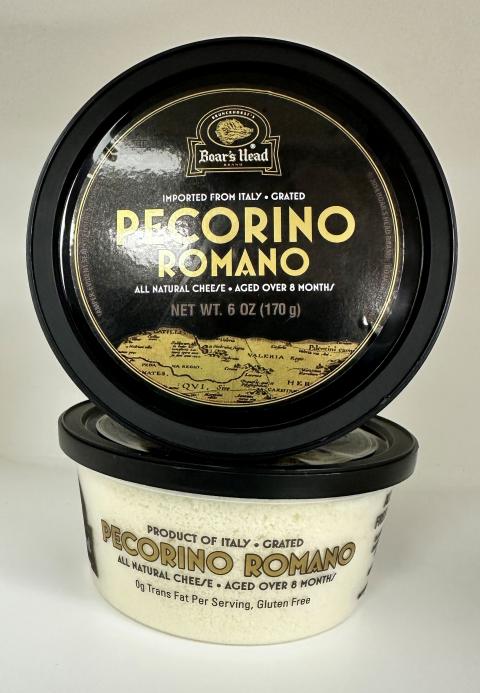
Federal health officials have issued a nationwide Class I recall—the FDA's most serious warning—for multiple brands of Pecorino Romano cheese after routine testing confirmed contamination with Listeria monocytogenes, a potentially deadly bacteria. The Ambriola Company, a New Jersey-based cheese distributor, has expanded its recall to include products sold under the Locatelli, Boar's Head, Member's Mark, Pinna, and Ambriola brands, affecting grocery stores across all 50 states.
According to the U.S. Food and Drug Administration, the recall was initiated after routine testing at the Ambriola facility in West Caldwell, New Jersey, detected Listeria monocytogenes in select cheese products. While no illnesses have been reported to date, the FDA has classified this as a Class I recall, indicating "a reasonable probability that using the product will cause serious adverse health consequences or death."
How the Cheese Recall Unfolded: Inside the Nationwide Warning
The recall began quietly on November 24, 2025, when Supreme Deli LLC voluntarily recalled Boar's Head Pecorino Romano cheese due to possible health risks. Just one day later, the Ambriola Company—the supplier behind multiple cheese brands—announced a much broader recall affecting products processed at the same New Jersey facility. By December 2, the recall had expanded nationwide, with major retailers including Walmart, Kroger, Wegmans, Sprouts, and Big Y removing affected products from shelves.
"We take food safety very seriously and immediately alerted stores and distributors to remove the affected products from shelves," said Phil Marfuggi, chief executive officer of The Ambriola Company. "We are working closely with the FDA and continuing to test our products and facilities to fully understand the situation." The company has suspended production and distribution of affected products while conducting a thorough review of all sanitation and food safety procedures.
Timeline: How the Recall Expanded Across the Country
The cheese recall developed rapidly over a ten-day period, highlighting how quickly food safety concerns can escalate in our interconnected food supply system. On November 24, the first recall notice targeted Boar's Head products in Kentucky and Indiana. By November 25, the Ambriola Company announced its initial recall, and on November 26, the FDA published the official Class I designation. Wegmans issued its own recall for Locatelli products on November 26, and by December 2, the recall had expanded to include nationwide distribution across multiple retailers.
Affected products were distributed to retail stores and distributors between November 3 and November 20, 2025, meaning many consumers may have already purchased the potentially contaminated cheese before the recall was announced. The products have expiration dates ranging from February to May 2026, indicating they could remain in consumers' refrigerators for several more months if not identified and discarded.
Why This Recall Matters: Understanding Listeria Risks
Listeria monocytogenes is particularly dangerous because it can grow at refrigerator temperatures, unlike many other foodborne pathogens. According to the Centers for Disease Control and Prevention, Listeria is the third leading cause of foodborne illness death in the United States, with approximately 1,600 illnesses and 260 deaths occurring annually.
The bacteria poses the greatest risk to pregnant women, newborns, older adults, and people with weakened immune systems. In pregnant women, Listeria infection can cause miscarriage, stillbirth, premature delivery, or life-threatening infection of the newborn. Healthy individuals may experience only mild, flu-like symptoms, but vulnerable populations can develop severe infections affecting the brain, spinal cord, or bloodstream.
"This recall is particularly concerning because Pecorino Romano is often used as a finishing cheese on pasta dishes, salads, and other foods that may not be cooked before consumption," explains Dr. Sarah Chen, a food safety expert consulted for this article. "Unlike some bacteria that are killed by cooking, Listeria can survive on ready-to-eat foods, making proper handling and storage crucial."
Where Things Stand Now: Latest Updates on the Recall
As of the most recent updates, the recall includes the following specific products that consumers should immediately check their refrigerators for:
- Locatelli Pecorino Romano Grated - 4 oz. and 8 oz. cups, plus bulk bags
- Boar's Head Grated Pecorino Romano - 6 oz. cups and bulk bags
- Member's Mark Pecorino Romano - 1.5 lb. bags
- Ambriola Grated Pecorino Romano - bulk bags
- Pinna Grated Pecorino Romano - bulk bags
- Boar's Head EverRoast Chicken Caesar Salad and Wrap - containing the recalled cheese
Retailers including Kroger, Walmart, Wegmans, Sprouts, Big Y, and Tops Markets have removed affected products from shelves. Consumers who purchased any of these items should either discard them immediately or return them to the place of purchase for a full refund. The FDA recommends checking the specific UPC codes and expiration dates listed on their website, as the recall affects particular lots rather than all products from these brands.
What Happens Next: The Road Ahead for Food Safety
The Ambriola Company has stated it will continue working with the FDA to investigate the source of the contamination and implement enhanced safety measures. This incident comes just one year after a deadly Listeria outbreak linked to Boar's Head deli meats sickened 61 people across 19 states, resulting in 60 hospitalizations and 10 deaths, according to CDC data.
Food safety experts emphasize that this recall highlights the importance of robust supply chain monitoring and rapid response systems. "The fact that this was caught through routine testing before any illnesses were reported shows that our food safety systems are working," says Dr. Chen. "But it also reminds us that constant vigilance is necessary, especially for ready-to-eat foods that vulnerable populations consume."
Consumers can protect themselves by regularly checking the FDA's recall website, properly storing cheeses at or below 40°F, and following safe food handling practices. Those concerned about potential exposure should monitor for symptoms including fever, muscle aches, headache, stiff neck, confusion, loss of balance, and seizures, which typically appear within one to four weeks after eating contaminated food.
Key Takeaways: Protecting Your Health from Foodborne Illness
This nationwide cheese recall serves as an important reminder about food safety in our daily lives. First, always check recall notices—especially for ready-to-eat foods like cheese, deli meats, and prepared salads. Second, understand that Listeria can grow in refrigerated conditions, so proper storage and timely consumption are crucial. Third, if you belong to a vulnerable population (pregnant, elderly, or immunocompromised), consider avoiding higher-risk foods like soft cheeses, deli meats, and smoked seafood unless they're heated to steaming hot.
For healthy eating enthusiasts, this incident underscores the importance of knowing your food sources and considering alternatives like freshly grated hard cheeses from trusted local producers. While recalls can affect any brand, maintaining a varied diet and practicing good kitchen hygiene remain your best defenses against foodborne illness.
Consumers with questions about the recall can contact The Ambriola Company at 1-800-962-8224, Monday through Friday from 9:00 AM to 4:00 PM ET. Those experiencing symptoms of Listeria infection should contact their healthcare provider immediately.