Novak Djokovic is trending again as the 2026 US Open dominates the tennis calendar, but the real story behind the 24-time Grand Slam champion's extraordinary career has little to do with his two-handed backhand. For nearly two decades, Djokovic has built his dominance on a foundation most casual fans never see: a strict gluten-free, plant-based diet, a meticulous fitness and recovery routine, and a daily commitment to mindfulness. As the 39-year-old Serbian continues to defy age on the ATP Tour, his approach to food and training offers a compelling blueprint for anyone looking to improve their own energy, endurance, and daily routine.
Djokovic's transformation is one of the most documented dietary turnarounds in modern sport. Before 2010, he was a gifted but physically fragile player who frequently retired mid-match with breathing difficulties and fatigue. After overhauling what he ate, he won three of four majors in 2011 and became the dominant force in men's tennis. Here's how he did it — and what you can take from it.
The Gluten-Free Discovery That Changed Everything
The turning point came in 2010, when Serbian nutritionist Igor Četojević joined Djokovic's team. According to Djokovic's own account in his 2013 book Serve to Win, Četojević — who practices Traditional Chinese medicine and acupuncture — suspected the young player might be sensitive to gluten. Using a method known as applied kinesiology, a muscle-testing technique, he reportedly identified a gluten intolerance and recommended that Djokovic eliminate gluten from his diet entirely.
The result was dramatic. Djokovic has said the change cleared up persistent allergies and mild asthma that had dogged him for years, and it dramatically improved his stamina during long matches. He eventually settled on a largely vegan, plant-based way of eating, later adding fish back into his meals — a diet he has described as "vegan with a little fish here and there."
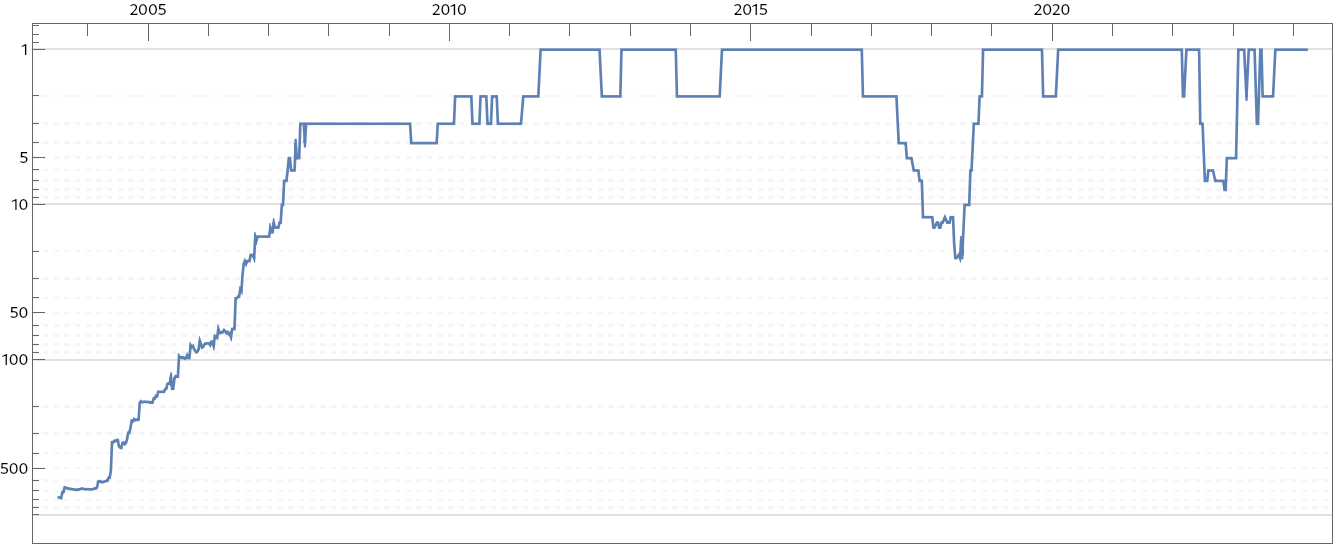
The gluten-free switch has been widely credited with improving his on-court endurance and is considered a key factor in the 2011 season that launched him to world No. 1 — a year in which he won three Grand Slam titles and went 10–1 against rivals Roger Federer and Rafael Nadal.
From Fatigue to 24 Slams: Djokovic's Health Timeline
Djokovic's wellness journey reads like a case study in how diet and recovery can extend an athletic prime:
- 2010: Nutritionist Igor Četojević joins the team and identifies a gluten intolerance; Djokovic removes gluten from his diet.
- 2011: Breakout season — three majors, five Masters titles, and his first stint at world No. 1.
- 2013: Publishes Serve to Win, outlining his gluten-free plan and his belief in the power of mindful eating.
- 2015: His most dominant season (three majors and a record 15 straight finals) and the launch of Djokolife, his line of nutritional food products.
- 2016: Opens Eqvita, a vegan restaurant in Monte Carlo, and completes the Career Grand Slam.
- 2024: Wins Olympic gold in Paris without dropping a set, cementing his legacy at age 37.
- 2026: Reaches the Australian Open final and, at 39, remains ranked inside the world's top five.
Inside Djokovic's Fitness and Recovery Philosophy
Diet is only one pillar of Djokovic's routine. He has been described by coaches and commentators as one of the fittest and most complete athletes in sports history, thanks to extraordinary agility, court coverage, and flexibility that allow him to hit winners from seemingly impossible positions. Former coach Todd Martin once said, "His athleticism is from another world."
Equally important is how Djokovic recovers. He has spoken openly about believing that the human body is a "self-healing mechanism," and he has said he is reluctant to rely on medications or surgery unless absolutely necessary. He has been reported to meditate for up to an hour a day, sometimes at a Buddhist temple in Wimbledon, and he has credited mindfulness and meditation with helping him stay calm in high-pressure moments.
His approach to what he consumes extends well beyond food. Djokovic has said he is "extremely careful" about what he puts into his body — a philosophy that underscores a consistent, whole-body view of health prioritizing nutrition, rest, and mental clarity. It's an outlook that has kept him physically resilient across a record-breaking career of 101 ATP titles and 428 weeks at world No. 1.
Djokovic at 39: Still Competing, Still Trending
Fast forward to the 2026 season, and Djokovic remains a headline act. He reached the final of the 2026 Australian Open, falling to Carlos Alcaraz in four sets, and he entered the 2026 US Open as one of the most-watched names in the draw. His longevity — still ranked in the world's top five at 39, still competing at the highest level more than 15 years after his dietary overhaul — is perhaps the strongest argument for the habits he has championed.
What You Can Learn From Djokovic's Playbook
You don't need to be a professional athlete to borrow from Djokovic's approach. His routine points to several habits that translate to everyday health:
- Pay attention to how food makes you feel. Djokovic's transformation began with identifying a food sensitivity — a reminder that energy slumps and "brain fog" can sometimes be traced to what's on your plate.
- Prioritize whole, plant-forward meals. His vegetable-heavy, minimally processed diet mirrors guidance from nutrition experts for steady energy and reduced inflammation.
- Treat recovery as seriously as training. Stretching, sleep, and stress management are not optional extras in Djokovic's world — they're core to performance.
- Build a mindfulness habit. Even a few minutes of daily meditation or breathing work can support focus and resilience.
- Be consistent. Djokovic's results didn't come from a two-week cleanse but from nearly two decades of disciplined daily choices.
The bottom line: Djokovic's diet and fitness regimen turned a promising talent into the most decorated men's player in tennis history — and the principles behind it are available to anyone willing to build a healthier daily routine.