
New York City has become the first U.S. city to require chain restaurants to post added sugar warnings on menus, marking a significant shift in how Americans make dietary choices when eating out. As of October 4, 2025, nearly 4,000 chain restaurants across the city must display a distinctive "sugar spoon" icon next to any menu item containing 50 grams or more of added sugars—the entire daily recommended limit for a 2,000-calorie diet. This landmark policy, known as the Sweet Truth Act, represents the latest front in the battle against excessive sugar consumption and its associated health risks, giving consumers unprecedented transparency about what they're ordering.
How the Sweet Truth Act Changes Dining Out in NYC
The new regulation requires chain restaurants with 15 or more locations nationwide to post a warning icon—a white spoon inside a black triangle—next to any prepackaged food or drink (or equivalent non-packaged item like fountain soda) that contains 50 grams or more of added sugars. Restaurants must also include a health warning statement explaining the risks associated with consuming too much added sugar, including increased risk of type 2 diabetes, weight gain, and tooth decay.

"Every New Yorker deserves access to delicious, healthy food that they feel good about eating," said Acting Health Commissioner Dr. Michelle Morse in an official statement. "As the first in the nation to add a warning icon for added sugars, this rule underlines our longstanding work to ensure New Yorkers have information about the food they eat. Just one large sugary drink can exceed the daily recommended amount of added sugars."
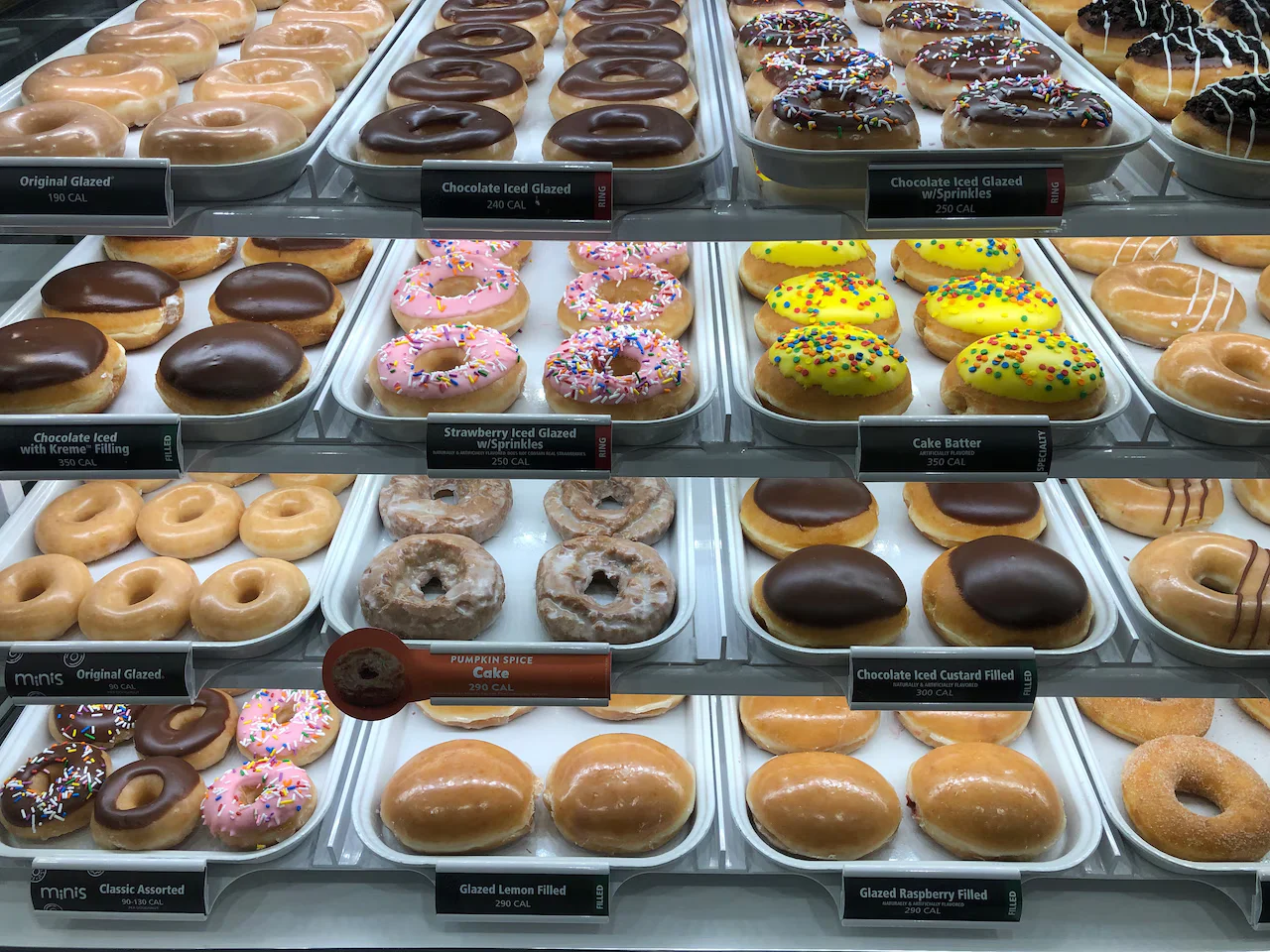
The law applies to approximately 4,000 restaurants across the city, affecting major chains like McDonald's, Taco Bell, Shake Shack, Dunkin', Starbucks, Burger King, Wendy's, Applebee's, Buffalo Wild Wings, Krispy Kreme, and Cold Stone Creamery. These establishments must now identify items that surpass the daily sugar limit, which is particularly relevant for large sodas, milkshakes, specialty coffee drinks, desserts, and some sauces or dressings.
From Legislation to Implementation: The Sweet Truth Act Timeline
The Sweet Truth Act didn't happen overnight. Mayor Eric Adams signed the legislation in late 2023 after years of advocacy from the City Council, health professionals, and organizations like the Center for Science in the Public Interest. The law went into effect on October 4, 2025, with an educational period for restaurants before enforcement begins.
Starting in January 2026, chain restaurants that fail to comply may receive summonses subject to $200 fines. The policy builds on New York City's existing menu labeling requirements, which already mandate calorie counts and sodium warnings on chain restaurant menus. This creates what public health officials call a "trifecta of nutritional transparency"—calories, sodium, and now added sugars.
"With the legislation signed today, New Yorkers soon will be able to see at a glance that their fountain soda or combo meal has more than a whole day's worth of added sugars," said DeAnna Nara of CSPI back in 2023 when the bill was signed.
Why Sugar Warnings Matter: The Health Impact of Added Sugars
The 50-gram threshold represents the daily recommended limit for added sugars in a 2,000-calorie diet, according to the 2020-2025 Dietary Guidelines for Americans. However, Americans on average consume 67 grams daily—well above this limit. A single 20-ounce bottle of popular sodas, energy drinks, or iced teas can contain more than 60 grams of added sugars, meaning one beverage can exceed an entire day's recommended intake.
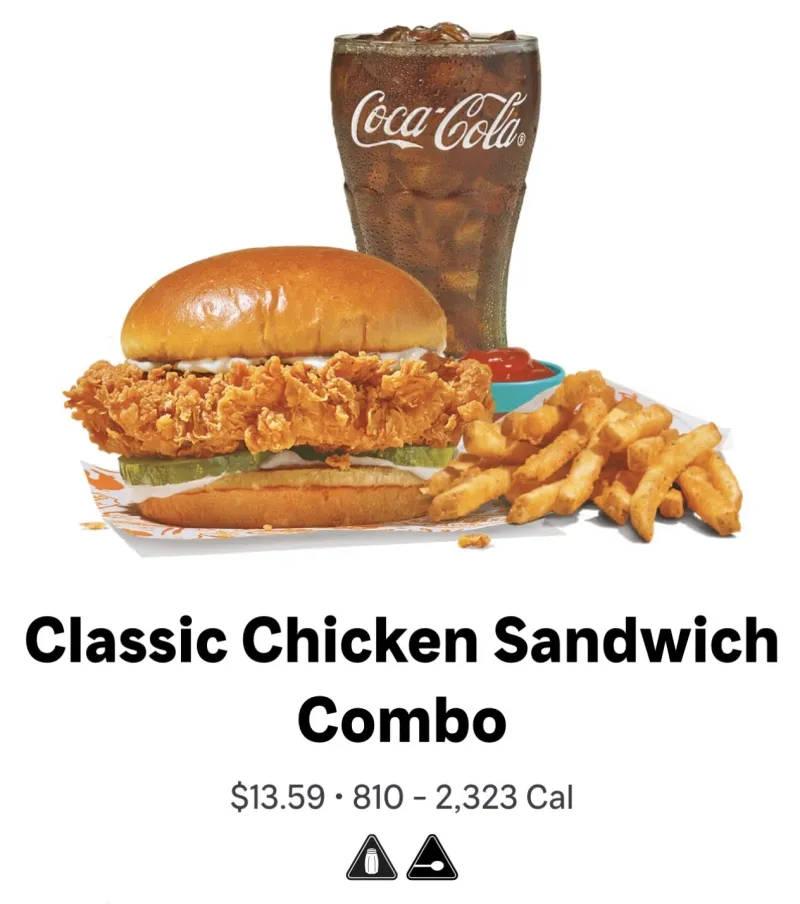
Excess sugar intake is strongly linked to several chronic health conditions. Research shows that high added sugars consumption increases the risk of type 2 diabetes, cardiovascular disease, weight gain, and dental decay. In New York, heart disease remains the leading cause of death, while diabetes is a leading cause of premature death. If current trends continue, chronic disease will cost the state $2.2 trillion by 2030—nearly $7,900 per resident.
"Consumers deserve transparency about what's in their food and drinks," said Dr. DeAnna Nara, licensed nutritionist and campaign manager at CSPI. "With the Sweet Truth Act now in effect, New Yorkers can make more informed choices for themselves and their families."
Early Reactions and Implementation Challenges
Early reports from Gothamist found that many customers haven't noticed the new icons or admitted they wouldn't change their orders even if they had. This highlights one of the challenges of menu labeling policies: simply providing information doesn't guarantee behavior change.
"Noticing it is step number one because it won't have an impact unless someone notices it," said NYU's Pasquale Rummo, who is studying the law's effects, in an official statement.
However, research on similar menu labeling initiatives suggests that warning icons can influence consumer behavior over time. Studies of New York City's sodium warning regulation found that these icons help consumers recognize high-sodium items and may reduce orders of those products. Public health officials hope the sugar warnings will have a similar effect, particularly as consumers become more familiar with the symbols.
Beyond NYC: The Future of Menu Labeling Nationwide
New York City's Sweet Truth Act is already serving as a model for other jurisdictions. At the state level, advocates are pressing for four complementary bills that would require added sugar warnings on chain restaurant menus, sodium warnings on chain restaurant menus, safety warning labels on high-sugar beverages, and restrictions on misleading marketing of unhealthy food and beverage products targeting children and vulnerable groups.
"Faith communities, community-based organizations, and public health practitioners across New York came together to help pass the Sweet Truth Act because protecting health is a matter of justice and compassion," said Bob Pezzolesi of the Interfaith Public Health Network. "This coalition is still at work, standing alongside public health partners to make sure every New Yorker—whether in the Bronx, Buffalo, or Binghamton—has the same protections."
The policy represents a growing trend toward greater food transparency nationwide. As consumers become more health-conscious and demand clearer information about what they're eating, other cities and states may follow New York's lead in implementing similar warning systems.
Key Points for Health-Conscious Diners
For those looking to make healthier choices at chain restaurants, the new sugar warnings provide valuable guidance. Here are the key takeaways:
- Look for the spoon icon: Any menu item with the white spoon inside a black triangle contains 50+ grams of added sugars—more than the entire daily recommended limit.
- Beware of large beverages: A single 20-ounce soda, sweetened tea, or specialty coffee drink often exceeds daily sugar limits.
- Check dessert and combo meals: Many restaurant desserts and combo meals with drinks easily surpass the 50-gram threshold.
- Use all three warning systems: Combine information from calorie counts, sodium warnings, and now sugar warnings to make balanced choices.
- Advocate for transparency: Support similar labeling initiatives in your community to promote healthier eating environments.
Whether the little sugar spoon will significantly change dining habits remains to be seen, but for now, it serves as a quiet reminder that what looks like an innocent beverage or dessert might already contain your entire day's sugar quota. As menu labeling continues to evolve, consumers have more tools than ever to make informed decisions about their health, one meal at a time.