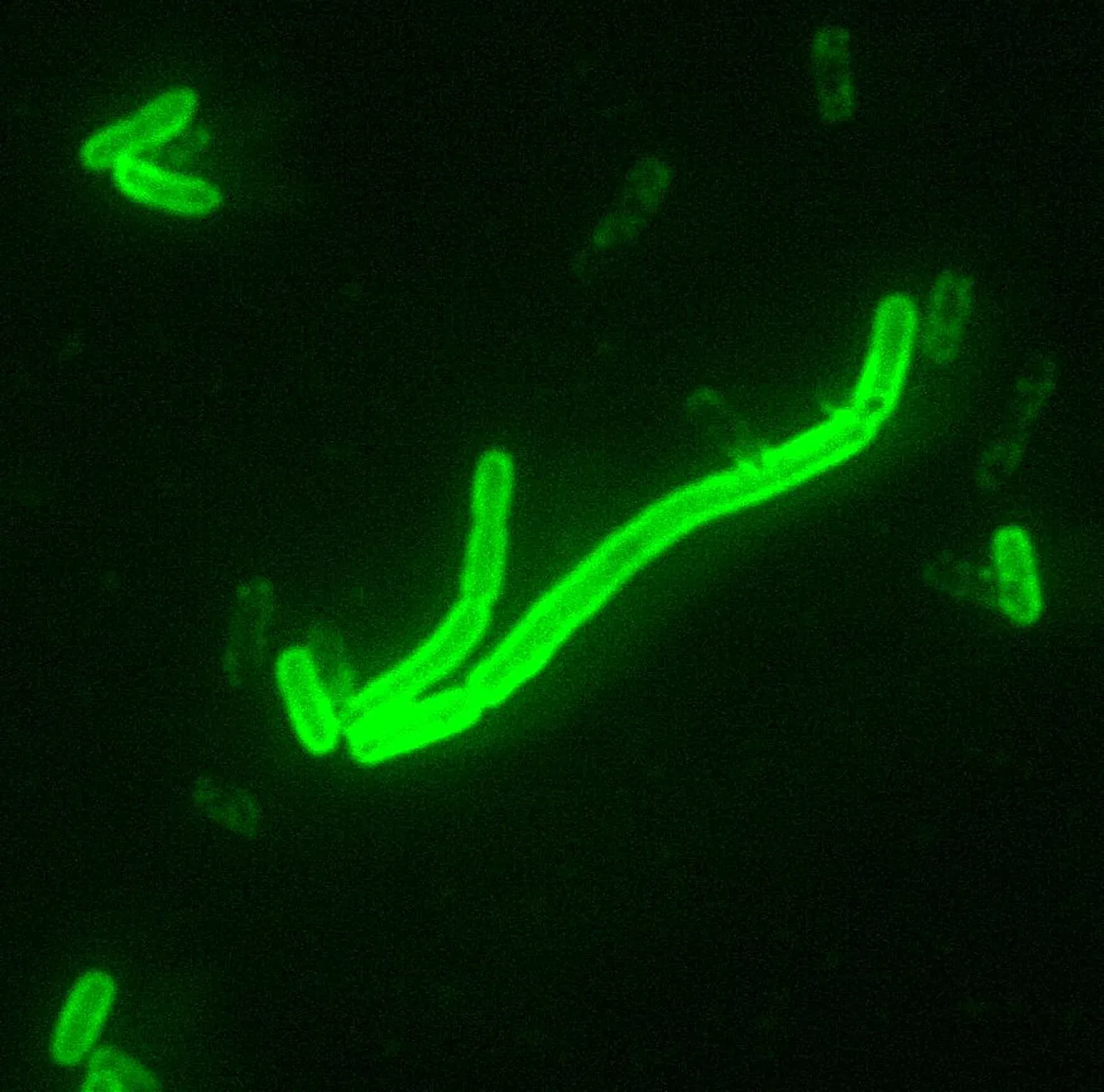
Health authorities around the world are watching a suspected pneumonic plague case in Russia after a 28-year-old laboratory technician died at a Siberian anti-plague research institute and nearly 200 people were placed under medical observation. The rare, fast-moving lung infection is the most severe form of plague — and the only one that can spread directly between people — which is why the case has drawn attention from the World Health Organization and the U.S. State Department even as officials say the risk to the general public remains low.
The technician, identified by Russian media as Darya Shipilova, worked at the Irkutsk Research Anti-Plague Institute of Siberia and the Far East, a facility in the town of Shelekhov near Irkutsk that studies plague and other dangerous pathogens. She was hospitalized with severe pneumonia in late September and died on October 2, according to multiple reports. Authorities initially described her illness as a "pneumonia of unknown origin," and unconfirmed reports suggest she may have broken a test tube containing Yersinia pestis — the bacterium that causes plague — while handling infected material.
How the Irkutsk Plague Scare Unfolded
The case centers on one of a network of Russian anti-plague institutes that monitor and study the disease. After the worker's death, health authorities in the Irkutsk region launched what they described as "anti-epidemic measures," and roughly 200 people — colleagues and others who may have had contact with her — were placed under medical observation, with some quarantined. As a precaution, a maternity hospital in Irkutsk also began screening patients for plague, The Moscow Times reported.
Russian officials have moved to reassure the public, describing the situation as under control. The World Health Organization said that, based on unofficial information, "the public health risk to the general population appears to be low," while its initial assessment placed the risk as moderate-to-low for Irkutsk and low for the Russian Federation as a whole.
What Is Pneumonic Plague — and How It's Different
Plague is caused by the bacterium Yersinia pestis, the same pathogen behind the Black Death that killed tens of millions of people in the 14th century. The disease still circulates in parts of Africa, Asia and the Americas, and between 2019 and 2025 ten countries reported more than 3,800 suspected human cases to the WHO. It takes three main forms:
- Bubonic plague, the most common form, infects the lymph nodes and causes painful, swollen lumps called buboes. It is usually spread by flea bites and rarely passes directly between people.
- Septicemic plague occurs when the bacteria multiply in the bloodstream.
- Pneumonic plague affects the lungs and is the rarest but most dangerous form. It is the only type that spreads from person to person, through infected droplets coughed into the air.
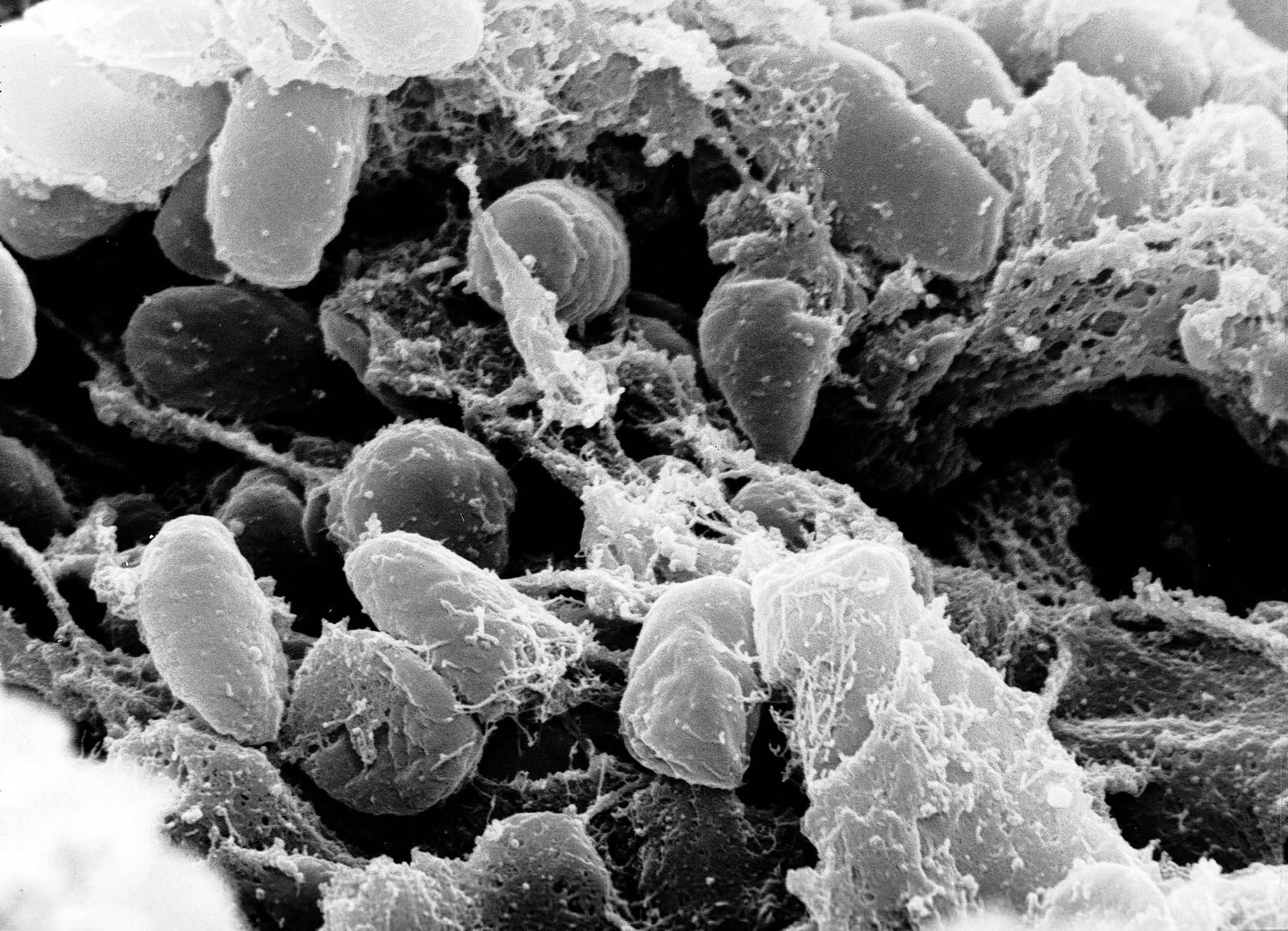
Pneumonic plague can develop when untreated bubonic or septicemic plague spreads to the lungs, or when a person inhales infectious droplets from an infected person or animal. That person-to-person transmission is what makes the pneumonic form stand out — and why health authorities moved quickly to trace contacts in Irkutsk.
Symptoms to Recognize and How It Spreads
According to the CDC and WHO, pneumonic plague symptoms typically appear one to four days after exposure and can initially look like the flu or a bad cold: fever, headache, weakness and body aches. But the illness escalates quickly into a severe pneumonia, with shortness of breath, chest pain and a cough that may produce bloody or watery sputum. That "mimics a cold at first" quality is part of why early recognition matters.
Untreated, pneumonic plague is one of the most lethal infectious diseases known. The WHO puts its case-fatality ratio at 30% to 100% if left untreated, and warns that the pneumonic and septicemic forms are "invariably fatal unless treated early." Once symptoms turn severe, pneumonic plague can kill within 18 to 24 hours — which is exactly why fast diagnosis and contact tracing are so important.
Timeline: From Hospitalization to Global Attention
The suspected exposure is believed to have happened in late September, when Shipilova was working with plague-infected material. She was hospitalized with severe pneumonia around September 29 and died on October 2. In the days that followed, local authorities launched anti-epidemic measures and placed close to 200 contacts under medical observation.
The case went global over the weekend, when the U.S. State Department said it was "aware of reports of a fatal case of suspected pneumonic plague" and was monitoring the situation. President Donald Trump said the United States was looking "very strongly" at the case and would help Russia if asked. Former CDC director Dr. Robert Redfield and infectious-disease expert Dr. Ashish Jha also weighed in, with Redfield saying he did not expect the case to reach the United States.
Treatment and Prevention: What Health Experts Say
The reassuring news is that plague is treatable. Unlike in the Middle Ages, the disease responds to modern antibiotics when caught in time. Gentamicin and fluoroquinolones are the first-line treatments in the United States, and treatment courses typically last 10 to 14 days; people who have been exposed may also receive preventive antibiotics. The CDC notes that plague "can be cured with antibiotics, but these must be given promptly to prevent serious illness or death."
For the general public, prevention means avoiding contact with wild rodents and their fleas in areas where plague is endemic, using insect repellent, and seeking care quickly if fever, cough or swollen lymph nodes appear after possible exposure. In a laboratory setting, strict safety protocols exist precisely to prevent accidental exposure — which is why any suspected breach immediately triggers contact tracing and monitoring.
How Worried Should You Actually Be?
Public health experts have been careful to put the Russia case in perspective. The WHO described the risk to the general population as low, and officials stressed that plague does not spread as easily as respiratory viruses such as COVID-19. Person-to-person transmission of pneumonic plague requires close, sustained contact, and there is no sign the disease is spreading widely. The last reported human-to-human transmission in the United States was decades ago.
Still, the episode is a reminder that plague has never gone away. For now, the focus in Irkutsk remains on monitoring contacts, confirming the diagnosis and determining exactly how the exposure happened — including the unconfirmed report that a test tube containing the bacteria may have broken, and the possibility the technician was infected during earlier fieldwork near the Mongolian border.
The Bottom Line: Key Health Takeaways
- A 28-year-old lab technician at a Siberian anti-plague institute died on October 2 from suspected pneumonic plague, and nearly 200 contacts are under medical observation.
- Pneumonic plague is the rarest but most severe form of plague, and the only one that spreads person-to-person through respiratory droplets.
- Symptoms can look like a cold or flu at first but progress rapidly to severe pneumonia with cough, chest pain and shortness of breath.
- Plague is treatable with antibiotics when caught early, but untreated pneumonic plague can be fatal within 18 to 24 hours.
- Global health agencies say the risk to the general public is low, and experts do not expect the case to trigger a wider outbreak.